If an ice storm knocks out power to your neighborhood and the food in your fridge and freezer spoils, most homeowners policies won’t pay for it. The standard HO-3 form excludes loss from a power failure that takes place off your property, and a downed line down the road or a failed substation is off your property. There are exceptions, though. Some policies add refrigerated property coverage, and the answer can change when the damage starts at your own house.
Six years ago this week, a lot of the metro found that out.
October 2020, the outage people remember
From October 26 to 29, 2020, an ice storm coated central and western Oklahoma. The National Weather Service in Norman reported freezing rain totals of at least 1.5 inches in parts of west-central and central Oklahoma, and more than half an inch across a wide area from Ponca City to Oklahoma City to Lawton to Clinton. By October 28, hundreds of thousands of people were without power. Spotters reported 0.65 inches of ice in Mustang and 0.75 inches near NW 23rd and Yukon Parkway, and branches 11 inches thick came down south of Piedmont.
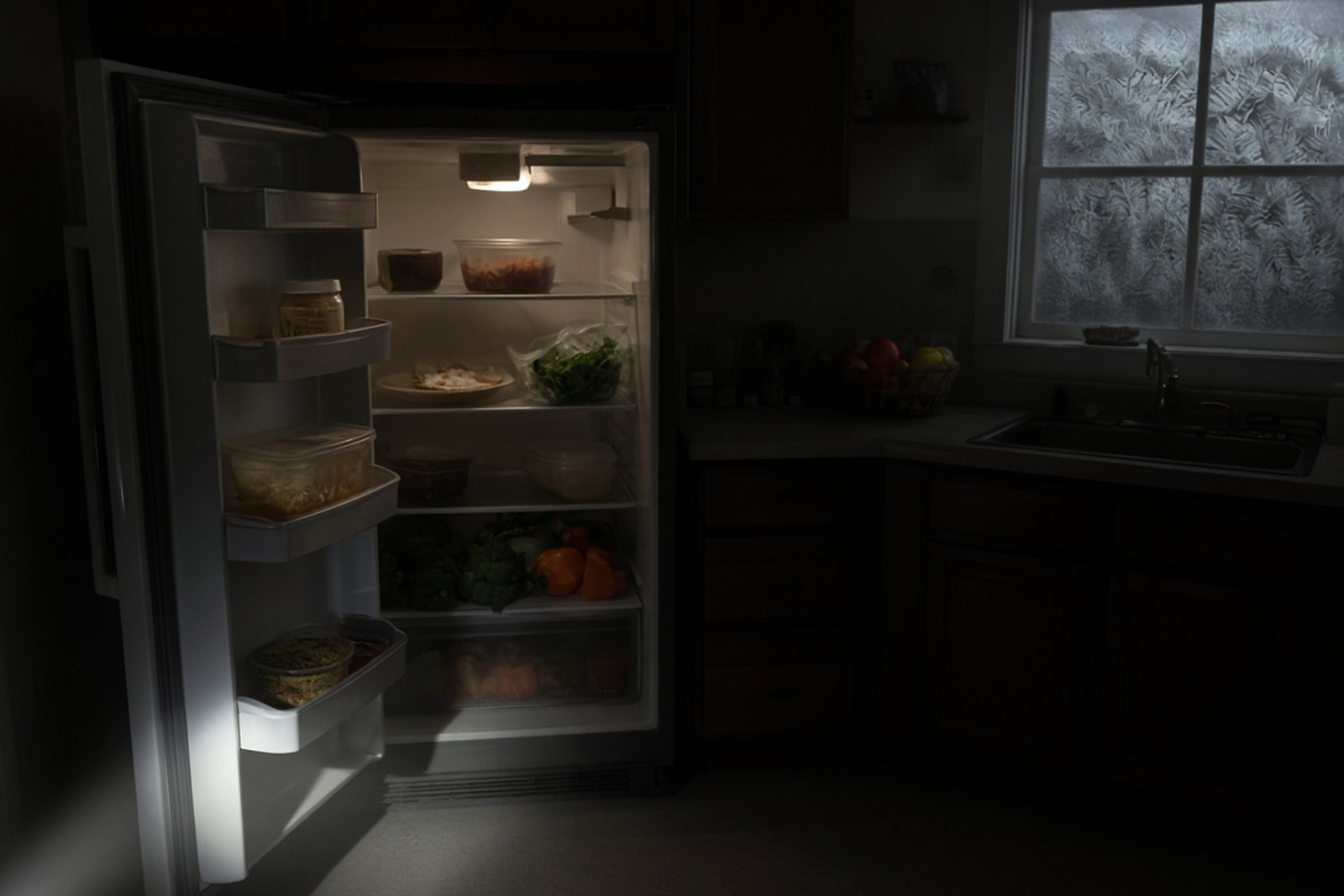
Many homes were dark for days. That’s longer than any fridge can hold food safely.
What the policy language usually says
The sample HO-3 policy published by the Insurance Information Institute lists power failure as an exclusion. It’s defined as “the failure of power or other utility service if the failure takes place off the ‘residence premises.’” If the outage leads to a covered loss on the premises, such as a fire, that ensuing loss can still be covered.
Triple-I’s Am I Covered guide gives the general answer for spoiled food: usually no, with exceptions. A break in a power line on or near your property may be treated differently, and food spoilage coverage can often be added for a premium.
The unflattering part
Even when a policy does include food spoilage coverage, the limit can be small. One homeowners form filed with the Oklahoma Insurance Department pays up to $500 for the contents of a freezer or refrigerator after a power failure or mechanical breakdown. That form waives the deductible for it, but $500 is the most it pays for any one loss, no matter how many freezers are in the garage. A chest freezer full of a processed deer or a half beef can be worth more than that.
The sample HO-3 has no refrigerated property coverage at all. Forms differ from carrier to carrier, so the only way to know is to read yours or ask us to. Food spoilage coverage also tends to matter more when the food is part of a larger covered claim, like a tree through the roof that also tore down your service line.
Spoiled food is not the only outage cost
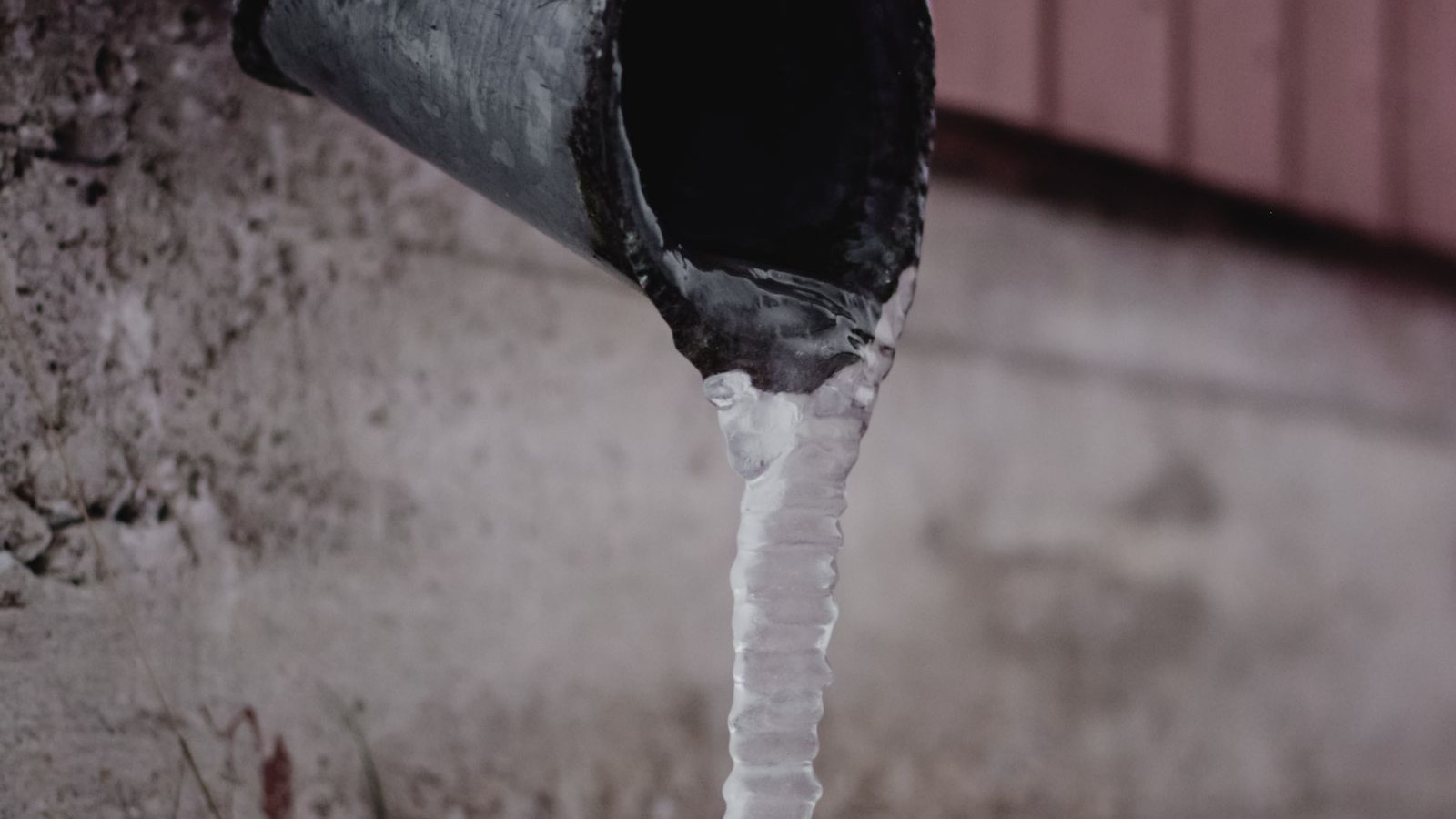
- Frozen pipes. A multi-day outage in real cold can freeze plumbing. Most policies treat sudden burst-pipe damage differently from food loss, but many have conditions about keeping heat on. See preventing frozen pipes in Oklahoma.
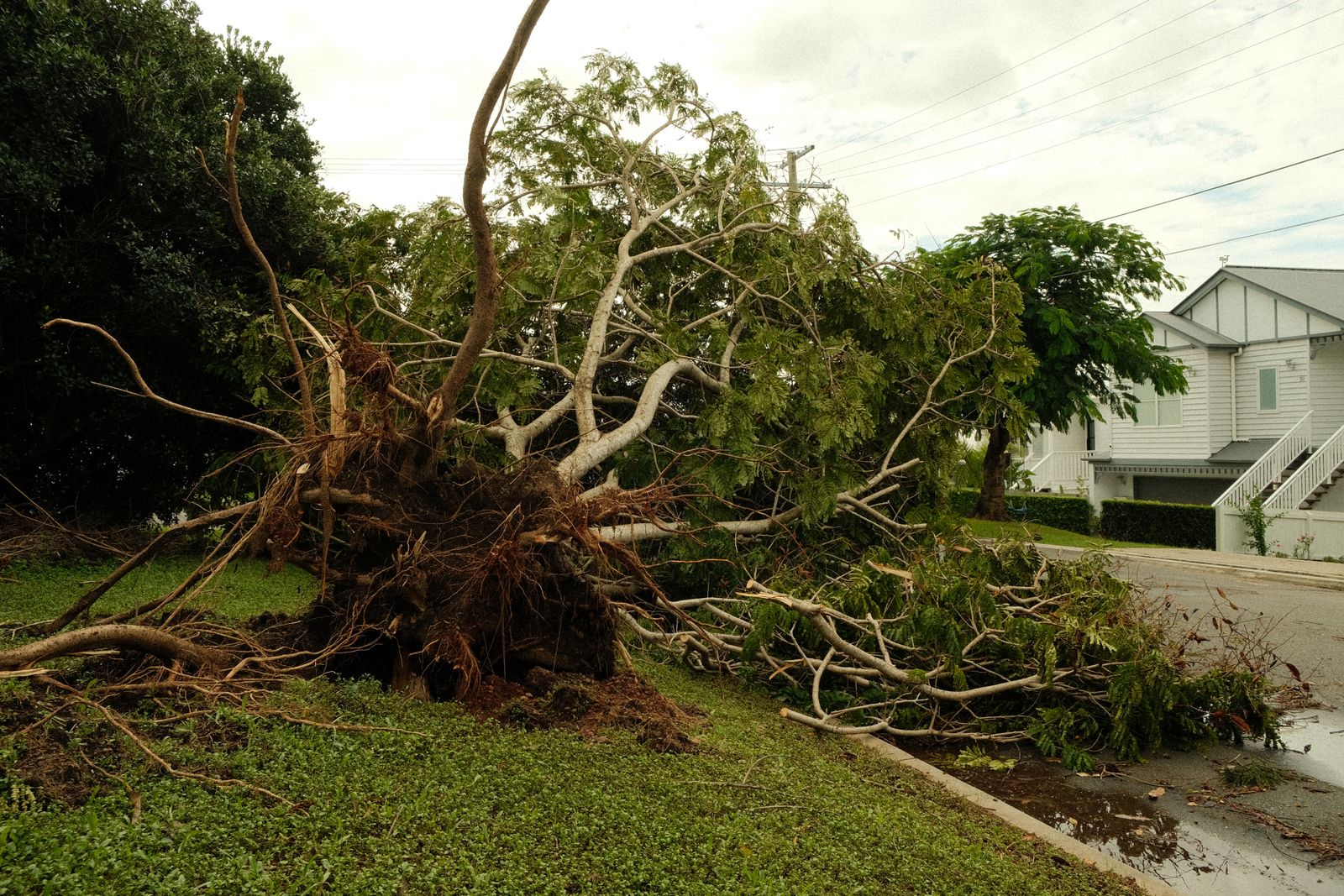
- Trees and limbs. Ice-loaded limbs on the roof are a separate question from the outage. We cover it in fallen tree damage: who pays.
- Generators. The U.S. Consumer Product Safety Commission says an average of about 100 people die each year from carbon monoxide poisoning from portable generators. It advises running them outside only, at least 20 feet from the home, with the exhaust pointed away from buildings, and never in a garage.
What to do with the food
The USDA’s Food Safety and Inspection Service says a closed refrigerator keeps food safe for up to 4 hours. A full freezer holds about 48 hours, or 24 if it’s half full. Keep the doors shut, move food to a cooler with ice if the outage runs long, and when in doubt, throw it out. If there’s any chance of a claim, take photos of the food before it goes to the curb.
Before the next ice storm
Your policy is the thing that answers whether spoiled food, a burst pipe, or a fallen limb is covered. If you want someone to look for a refrigerated property coverage, check your deductible, and talk through what an outage would look like on your policy, call us at (405) 861-8500. We help homeowners in Piedmont, Edmond, and across the OKC metro. Start with our home insurance page or request a quote.
This article is general information about how coverage typically works, not advice about your specific situation. Policy language — not website descriptions — determines coverage, and your policy is the only thing that says what you have.