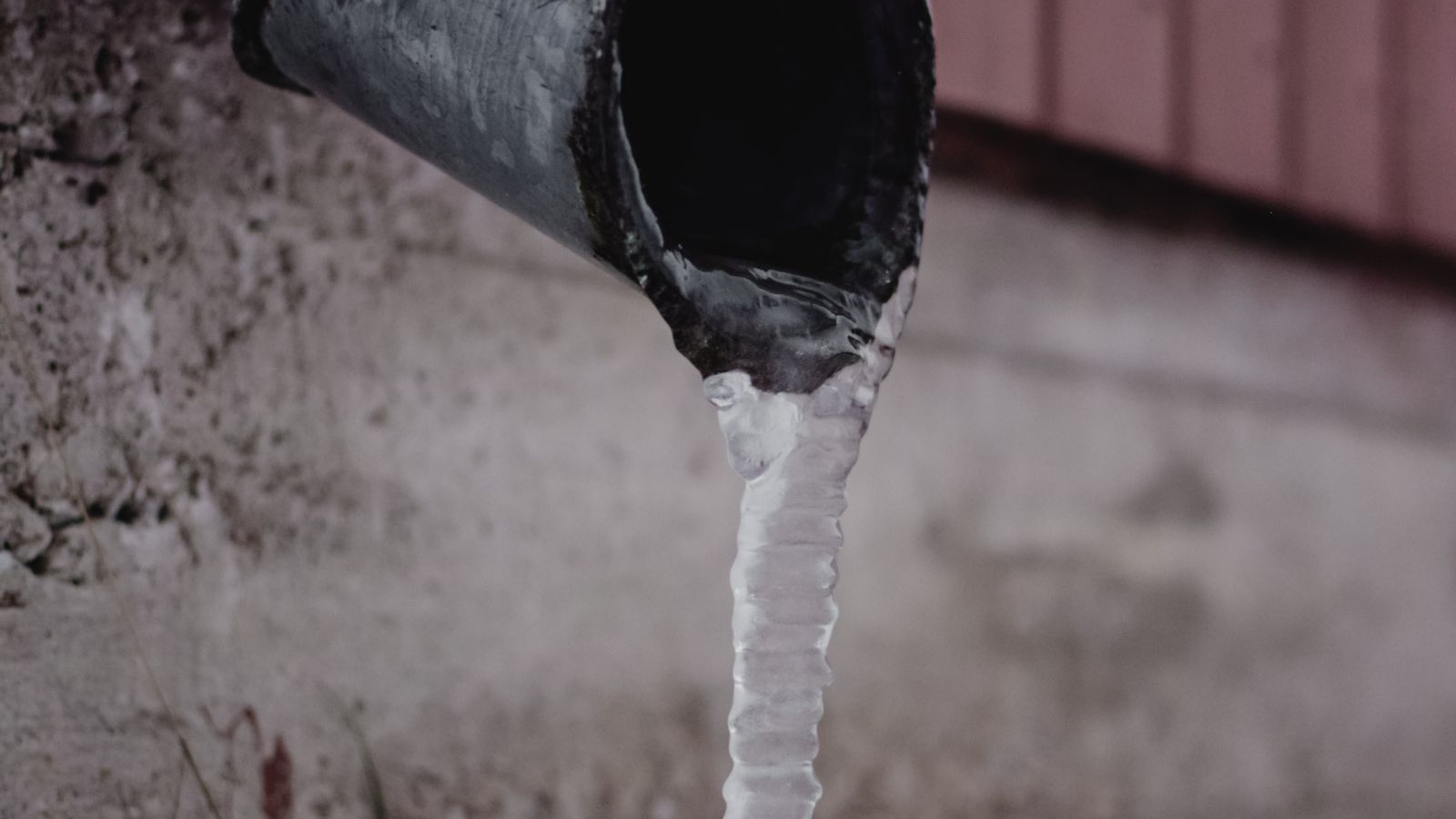
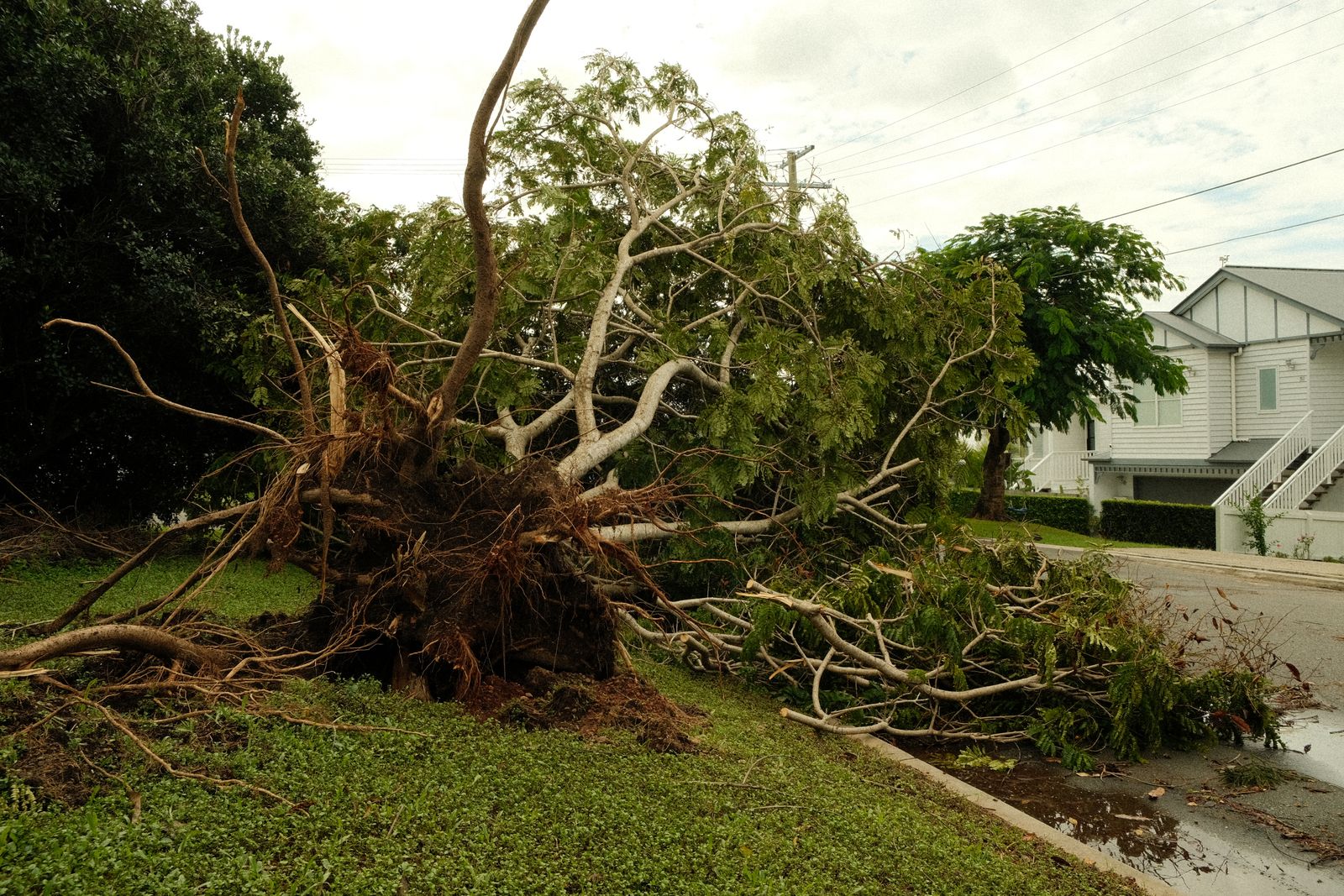
Pull every Oklahoma entry out of FEMA’s disaster declarations dataset and sort it by incident type. Twelve of them are classified as severe ice or severe winter storms. The earliest was declared December 28, 2000. There is nothing before that — not one winter-storm declaration in the roughly forty-five years of Oklahoma record that precedes it.
That is a striking number, and the first honest thing to say about it is that it is partly bookkeeping.
What the pattern is and isn’t
FEMA’s incident-type labels have been applied differently across decades. Older declarations use coarser categories, and a mid-century winter event could be filed under a generic heading that a modern one would not. Some of the apparent clustering after 2000 is a change in how the federal government writes things down, not a change in Oklahoma weather.
But not all of it. The 2000-and-after group is dense in a way that’s hard to explain away: twelve declarations in twenty-six years, four of which were broad enough to name all 77 counties. Whatever the record was doing before, the last quarter century has produced a steady run of ice events serious enough to clear a federal threshold.
Oklahoma County appears in ten of the twelve. Canadian County appears in eleven. Logan and Cleveland appear in ten apiece. This is not a panhandle phenomenon — the metro is squarely inside it.
The October one
One entry is worth sitting with. The declaration issued in December 2020 covers an incident period running October 26 to October 29 — an ice storm in the last week of October, heavy enough to take down trees and lines across a wide stretch of central Oklahoma while a lot of them still had leaves on.
That is the detail that reframes the calendar. Ice is easy to file mentally under January. The record says the window is wider than that on both ends, and that a hard freeze arriving before the trees have dropped is a different, worse kind of event, because leafed-out limbs catch far more ice than bare ones.
The finding that doesn’t flatter anybody
Nine of the twelve were declared for Public Assistance only.
Public Assistance is a cost-share program for governments and certain nonprofits — debris removal on public roads, repairs to public buildings, utility infrastructure, emergency protective measures. It is not a check to a household. Only a small minority of these declarations included a program aimed at individuals and households at all.
So the sentence people say after a big storm — “it was declared a disaster, so there’ll be help” — is usually describing money that flows to a county or a co-op, not to a homeowner. For most Oklahoma households, the thing that responds after an ice storm is the private policy they bought before it, and its deductible.
How ice losses tend to be shaped
Ice damage generally doesn’t arrive as one hole in a roof. It arrives as a bundle: a limb through a soffit, a service line pulled off the house, a fence flattened, several days without power, a garage-side pipe that split at hour sixty, and a large volume of woody debris across a yard. Those are potentially several different parts of a policy responding under different terms — dwelling, other structures, debris removal, food spoilage where a form addresses it, and additional living expense if the house becomes uninhabitable.
Policies vary on all of it, particularly on debris removal limits and on tree removal where a tree fell without hitting a structure. Whether a specific ice-storm bill lands inside a specific form is a question the policy answers, and the declarations page and the form attached to it are the only documents that settle it.
The useful move is a boring one: read the winter side of the policy in a month when nothing is happening. Late summer is a strange time to think about ice, which is exactly why it’s a good one.
Our home insurance page covers how we walk through a policy, or call (405) 861-8500 — Edmond, Guthrie, Arcadia, anywhere in the metro.
This article is general information about how coverage typically works, not advice about your specific situation. Policy language — not website descriptions — determines coverage, and your policy is the only thing that says what you have.