When the Wind Wins
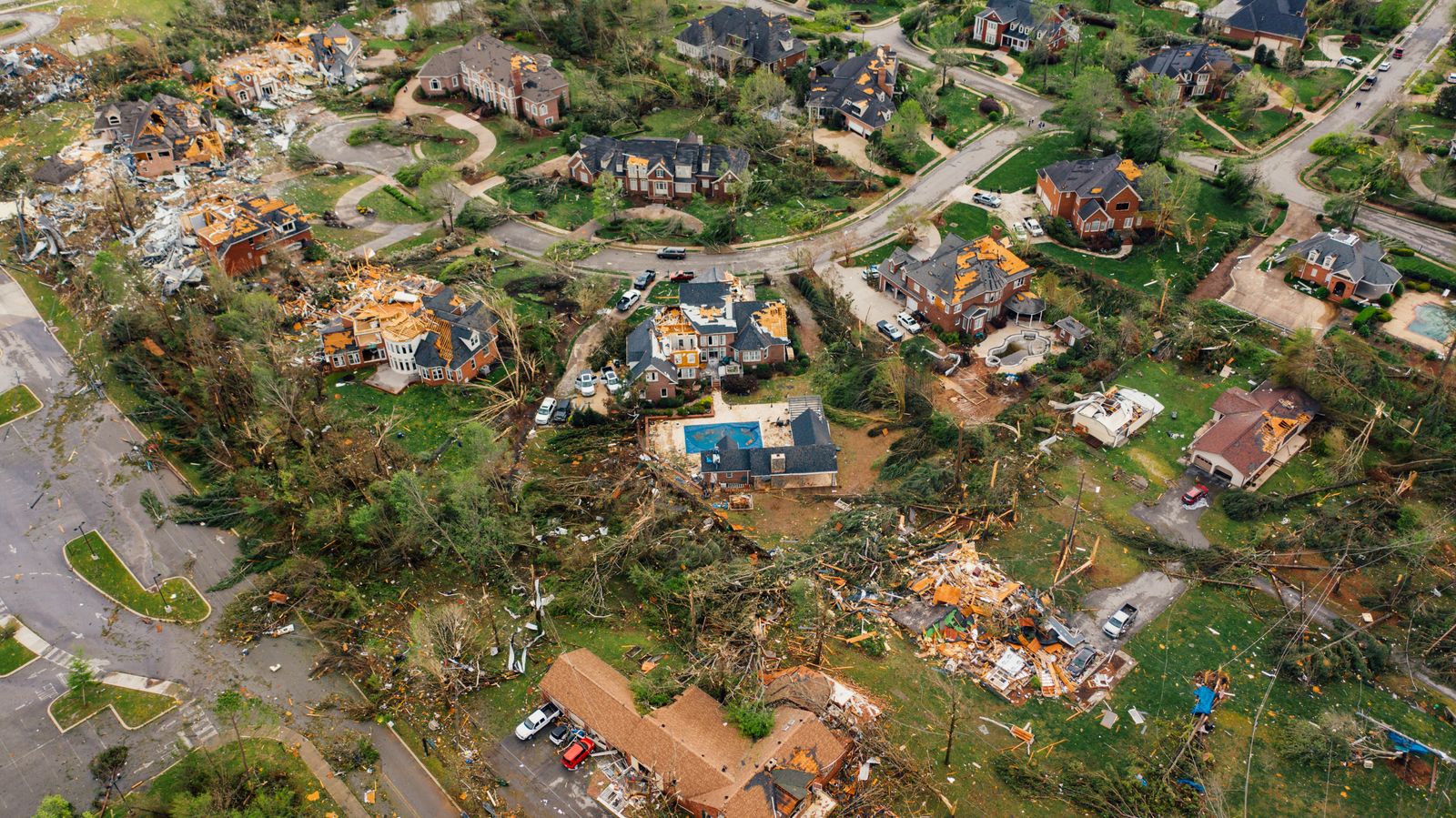
Oklahoma storms bring wind, and wind brings down trees. The state recorded 66 tornadoes in a recent year — eighth in the nation — and the straight-line winds that ride along with those storms do plenty of damage of their own. It happens all over Edmond and the OKC metro, from mature oaks in older neighborhoods to trees near Lake Arcadia that take a beating during a bad storm season. When a tree falls, the first question homeowners usually ask isn’t “how do we clean this up,” it’s “whose insurance pays for this?” The answer depends on the scenario, so let’s walk through the common ones.
Scenario One: Your Tree Falls on Your House
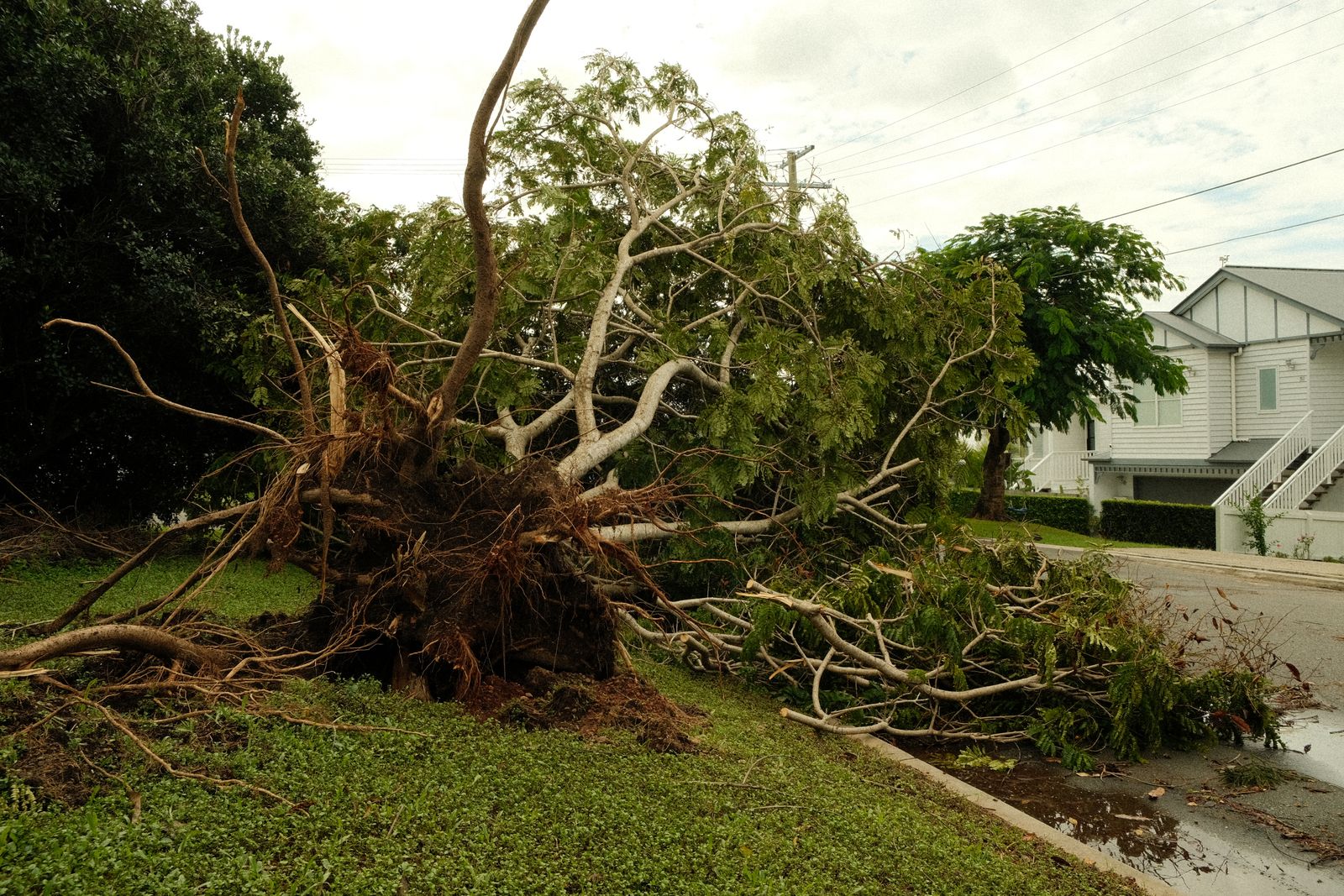
Picture a big storm rolls through and a tree in your own yard comes down on your roof. In most cases, your own homeowners insurance responds to this. It typically covers the damage to your home caused by the falling tree, and many policies also include some coverage toward the cost of removing the tree debris, up to a set limit. This is generally true whether the tree was healthy or not, as long as the cause was a covered peril like wind.
Scenario Two: Your Tree Falls on a Neighbor’s House
Now flip it around. Your tree falls, but it lands on your neighbor’s roof instead of yours. In this case, it’s typically the neighbor’s homeowners insurance that responds to the damage to their home, not yours. This surprises a lot of people, but the general principle in most standard policies is that your neighbor’s policy covers their own structure regardless of whose tree caused the damage, as long as it was a covered peril like a storm.
Where it can get more complicated is if the tree was already dead, diseased, or clearly hazardous before it fell, and you knew about it and failed to deal with it. In that kind of situation, liability questions can come into play, and your neighbor’s insurer may look at whether you were negligent in maintaining the tree. This is a good reason to address obviously dead or dying trees before a storm ever hits, rather than waiting.
Scenario Three: A Neighbor’s Tree Falls on Your House
This is simply the mirror image of scenario two. If a neighbor’s tree falls on your home during a storm, your own homeowners policy is typically the one that responds, covering damage to your home and, again depending on your policy, some portion of debris removal. You generally don’t need to go after your neighbor’s insurance first, even though it was their tree.
Scenario Four: A Dead or Diseased Tree Situation
This is the scenario that tends to create the most friction between neighbors. If you’ve told a neighbor their dead tree looks unsafe and it eventually falls on your property, their insurer may face a liability claim if it can be shown they knew about the hazard and didn’t address it. Insurance companies look at negligence carefully in these cases, and it’s not always a clean-cut answer. If you’re genuinely concerned about a neighbor’s tree, documenting your concerns in writing ahead of time can help protect you if the worst happens.
The Common Thread
In almost every version of this story, the general rule is that your own policy covers your own structure, regardless of whose tree caused the damage, as long as the cause was a covered peril. Liability only tends to shift when negligence can be shown, like ignoring a known hazard.
Sort It Out Before the Next Storm
Fallen tree claims come up more often than you’d think in Edmond and the surrounding OKC metro, especially after a rough storm season. Rondon Insurance Services can review your homeowners policy and compare quotes across our carriers to make sure you’re properly covered. Reach out any time — we’re happy to help you understand your coverage before you ever need it.