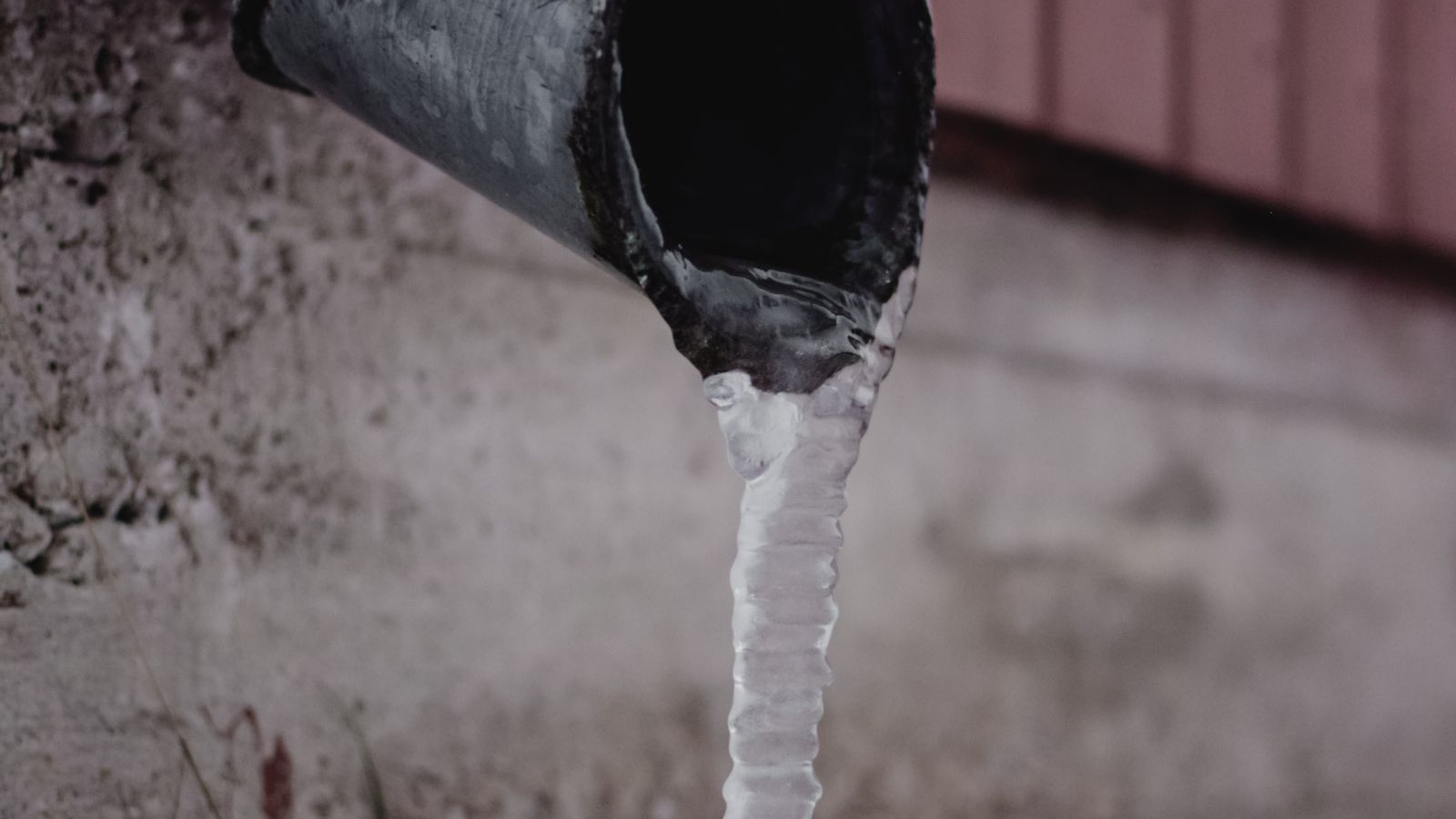
Oklahoma winters don’t stay cold for long stretches the way northern states do, and that’s exactly why frozen pipes catch so many homeowners off guard here. A hard freeze rolls through, temperatures drop fast, and homes that aren’t built with sustained cold in mind can end up with a burst pipe and a serious water damage claim. The good news is that frozen pipes are largely preventable with a little planning. Here are five simple ways to protect your home.
1. Insulate Exposed Pipes
Pipes located in unheated or exposed areas, like garages, crawlspaces, attics, and exterior walls, are the most vulnerable to freezing. Foam pipe insulation sleeves are inexpensive and easy to install, and they can make a real difference during a sudden cold snap. Pay special attention to any pipes running along an exterior wall or through an area that isn’t part of your home’s regular heated space.
2. Let Faucets Drip During Hard Freezes
When temperatures drop well below freezing, letting a faucet drip slightly, especially ones connected to pipes on exterior walls, can help relieve pressure inside the pipe and keep water moving just enough to reduce the chance of a freeze. It feels wasteful, but it’s a small trade-off compared to the cost and hassle of a burst pipe.
3. Seal Crawlspace Vents and Gaps
Cold air finding its way into a crawlspace is one of the most common reasons pipes freeze in Oklahoma homes. Check your crawlspace vents and make sure they’re closed up during winter months, and look for any gaps or openings where cold air might be sneaking in around pipes, vents, or foundation openings. Sealing these up before winter hits is a lot easier than dealing with a frozen or burst pipe afterward.
4. Keep the Heat On, Even When You’re Away
If you’re traveling during a cold stretch, resist the urge to turn your thermostat way down to save on heating costs. Keeping your home at a reasonably consistent, warm temperature, even when nobody’s there, helps protect your pipes while you’re gone. It’s also worth asking a neighbor or friend to check on the house if you’ll be away for an extended period during winter, so a problem doesn’t go unnoticed for days.
5. Know Where Your Main Water Shutoff Is
This one isn’t really prevention, it’s damage control, but it matters just as much. If a pipe does freeze and burst, knowing exactly where your home’s main water shutoff valve is located means you can stop the flow of water immediately instead of scrambling to figure it out while water is actively damaging your home. Take a few minutes now to locate it and make sure everyone in your household knows where it is too.
Why This Matters for Your Insurance
Frozen and burst pipes are one of the more common, and more preventable, water damage claims homeowners file. Nationally, about one in 67 insured homes has a property damage claim caused by water damage or freezing each year, and the average payout for those claims ran about $15,400 over a recent five-year stretch. Beyond the disruption of dealing with a claim, repeated water damage claims on a home’s history can affect future insurance pricing. Taking these steps isn’t just about avoiding a mess, it’s genuinely one of the more effective ways to protect both your home and your long-term insurance costs.
Ready Before the Next Cold Snap
A little prevention goes a long way, but the right coverage matters too if something does go wrong. Rondon Insurance Services in Edmond, OK can review your homeowners policy and compare quotes across multiple carriers to make sure you’re protected through every season. Reach out any time, we’re happy to help.