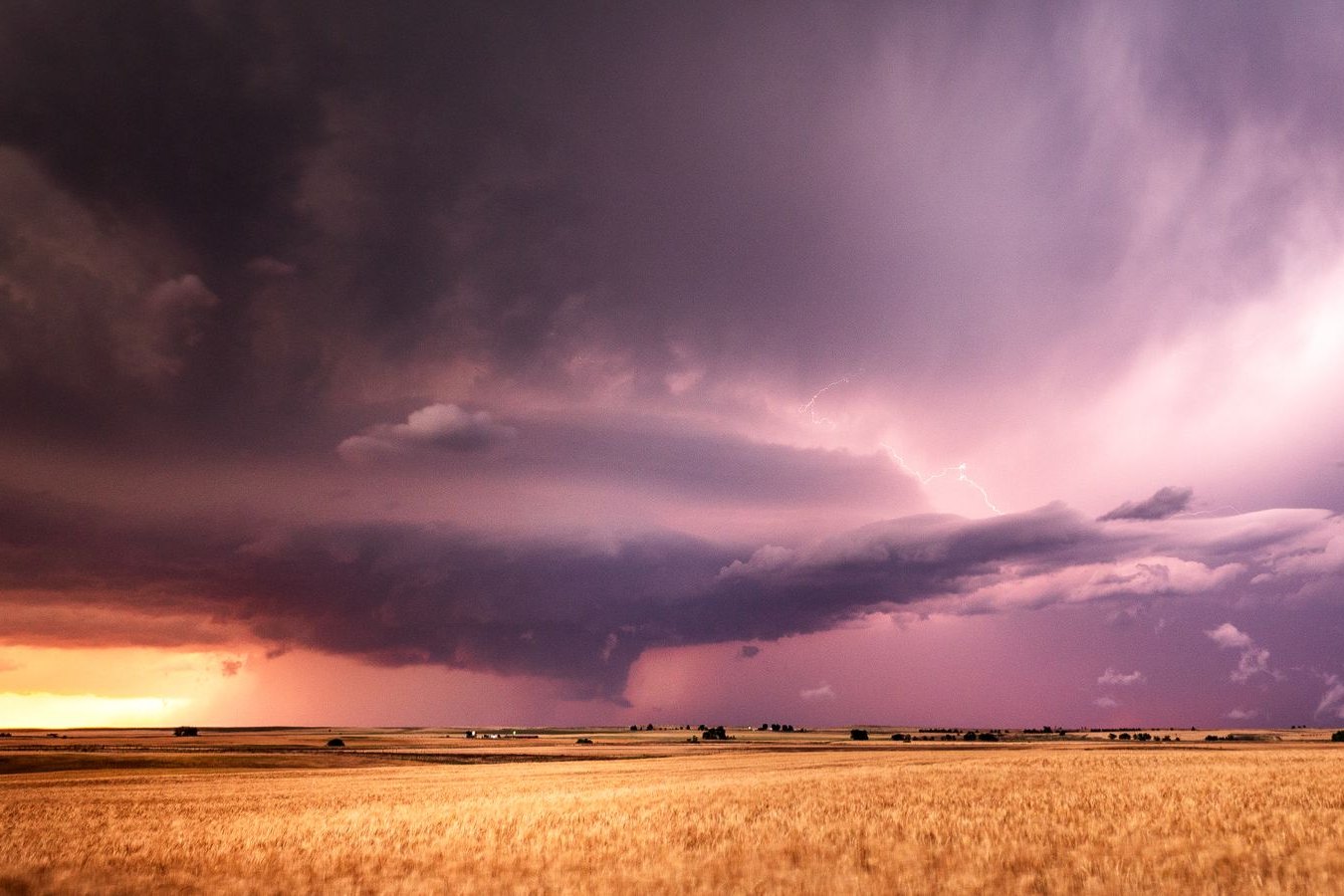
Logan County has appeared in 47 federal disaster declarations since 1974. Two of them are classified as tornadoes. Eight are classified as fire — and three of those eight happened in 2025: the Logan Fire and the Luther Fire drew federal fire-management assistance in March, and the county was included in the major disaster declared in May for the wildfires and straight-line winds that tore across the state. In the county best known nationally for sitting in tornado alley, the federal record says grass fire has crossed the federal threshold four times as often as a tornado has.
This is the third county we have pulled from the OpenFEMA declarations file, and each one has told the same kind of story in a different key. Oklahoma County’s record leaned on ice. Canadian County’s leaned on ice too. Logan County — Guthrie, Langston, Coyle, Mulhall, the ranchette country along I-35 north of Edmond — leans on fire.
Why fire, here
The geography does most of the explaining. Logan County is where the metro’s rooftops give way to native grass, red-cedar breaks, and long fetch for the wind. A dry winter cures the grass, a March or August wind event runs 30-plus, and a single ignition can move faster than a volunteer department can stage. Guthrie alone has been the named location of federally-assisted fires twice before 2025 — the Guthrie Fire of January 2006 and the Guthrie Fire of May 2014 — so last year’s events were not a fluke. They were the pattern repeating with more houses in the way.
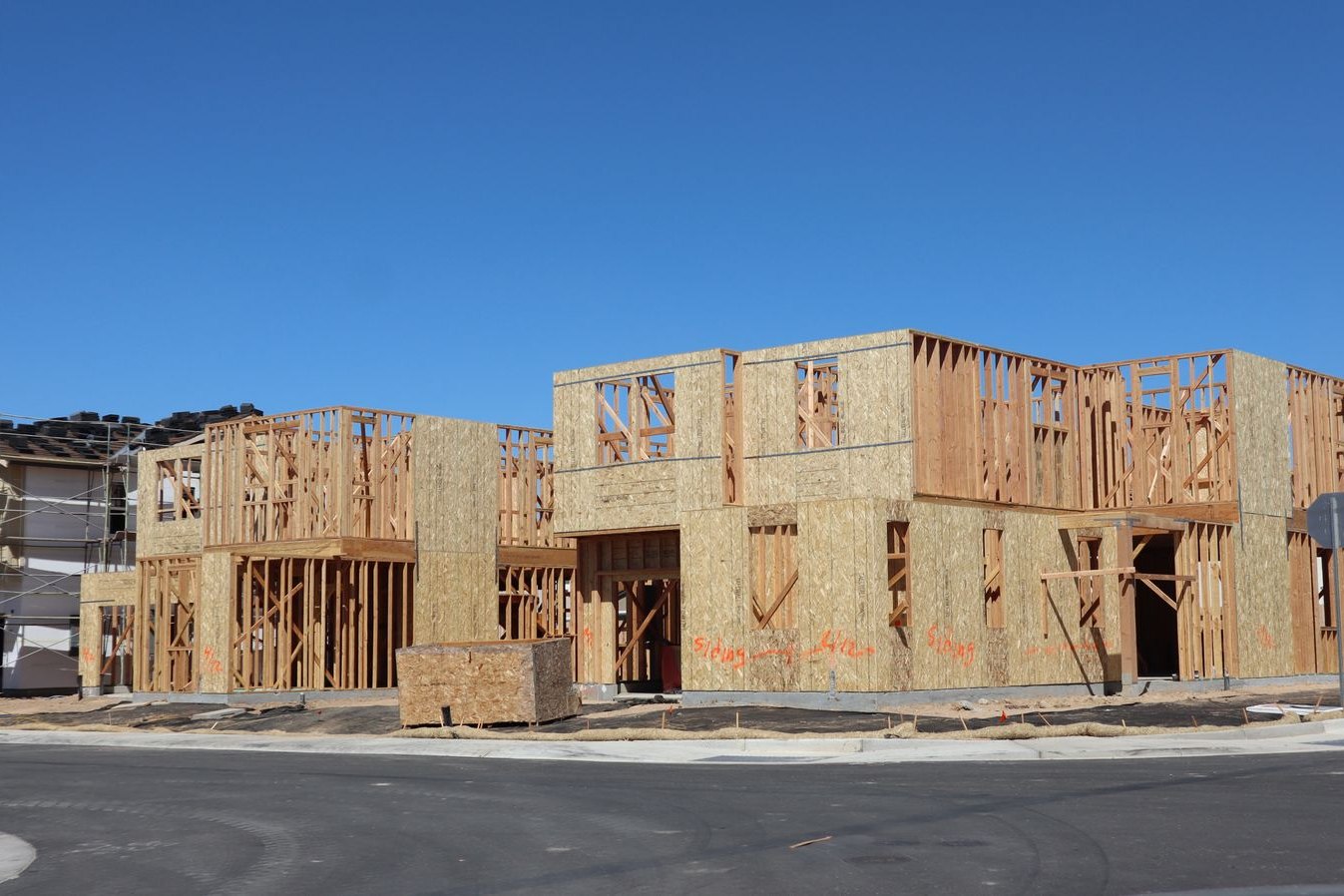
That last part matters. Thousands of people have moved into Logan County’s south end in the past decade, many of them onto exactly the acreage-with-a-view lots where structure meets grassland. Fire risk maps call that the wildland-urban interface. Residents call it the reason they moved out of the city. Both are right.
What a fire declaration actually pays for
Here is the part the news coverage never quite lands: a fire-management assistance declaration (the FM in FM-5561) primarily reimburses state and local governments for the cost of fighting the fire — equipment, mutual aid, overtime. A major declaration like DR-4866 can open individual assistance, which is real but modest, capped, and aimed at basic needs rather than reconstruction. Nothing in the federal record rebuilds a house to what it was. For a homeowner, the thing that rebuilds a house is a homeowners policy, and fire is the peril that policy form was originally built around — it is typically subject to the flat dollar deductible, not the separate percentage wind/hail deductible that gets all the attention in spring.
And the honest finding in the data cuts against how insurance gets talked about, including by agencies like ours: everyone in this state stress-tests their coverage against the tornado, and almost no one stress-tests it against the fire. A tornado usually damages part of a house. A grass fire that reaches a structure very often takes all of it — which makes the dwelling limit, not the deductible, the number that decides how the story ends. A limit that quietly fell behind construction costs is invisible right up until the one loss where it is the whole ballgame. That underinsurance problem is partly on homeowners, and partly on every agent who renewed a policy without asking the rebuild question.
Most fire losses in Logan County will never appear in any federal database at all — a shop building here, a fence line and outbuildings there, well below any declaration threshold and entirely a private insurance matter. The federal record is the visible tip. The policy handles the rest, and your policy is the thing that answers this.
If the house sits north of Waterloo Road where the grass starts winning, our home insurance page explains how we think about it, or call (405) 861-8500 — we can run the rebuild math with current Guthrie-area construction costs before fire season does it for us.
This article is general information about how coverage typically works, not advice about your specific situation. Policy language — not website descriptions — determines coverage, and your policy is the only thing that says what you have.