Canadian County has recorded 39 federal disaster declarations since 1973. Three of them are classified as tornado events. Eleven are classified as severe ice storms. The most recent one covering the county was declared on February 24, 2021 — a winter storm — and in the years since, the county has added tens of thousands of residents and now holds 64,088 housing units.
That’s an odd pairing, and it’s worth sitting with. The place everyone associates with spring storms has a federal record that mostly says January.
What the Record Actually Says
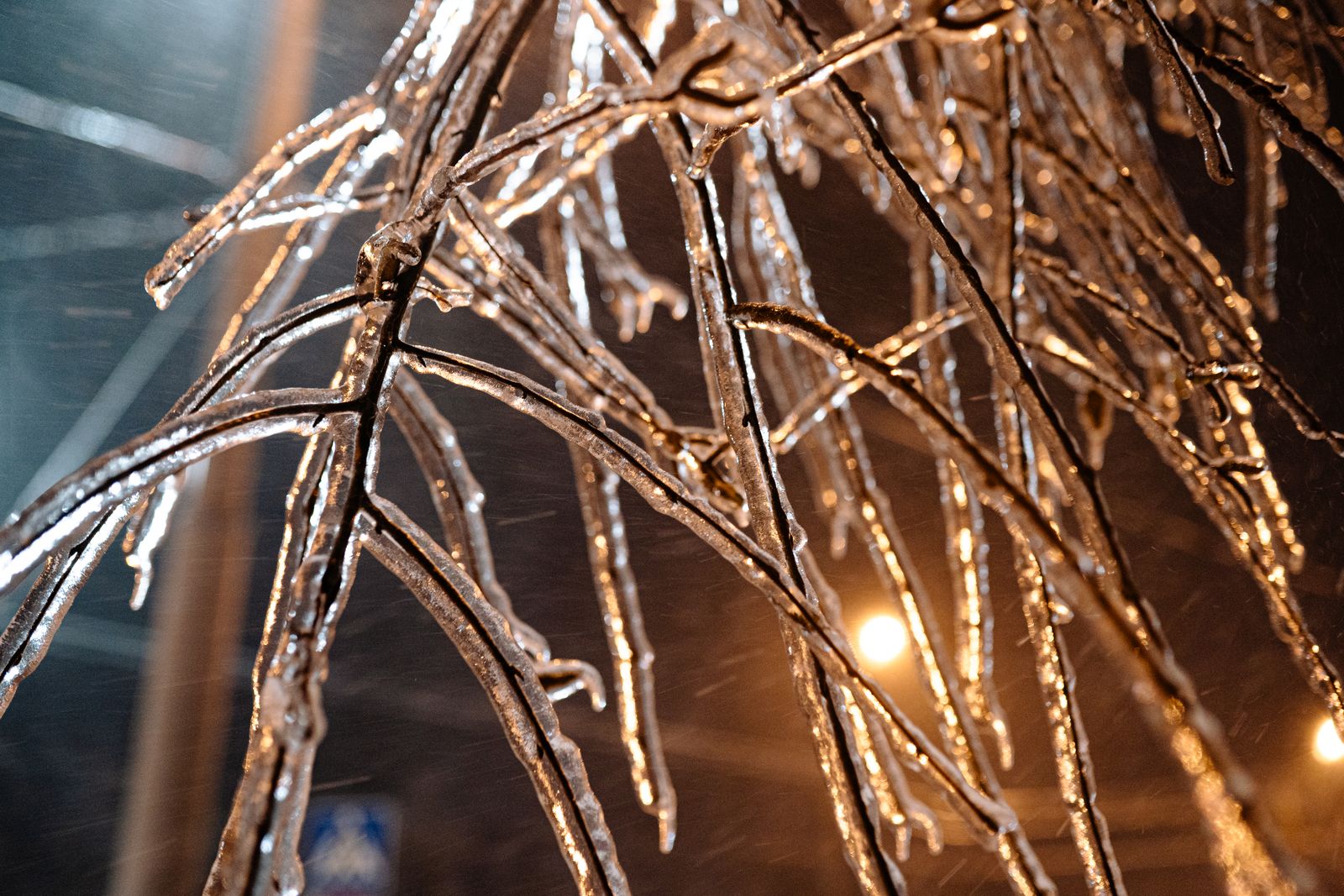
Run the OpenFEMA declarations data for Canadian County and the shape is consistent. Ice and winter storms dominate the count. Flooding shows up four times. Fire twice — including the Mustang Road fire in 2011. Tornado, as its own classification, three times across 52 years.
That doesn’t mean tornadoes are rare here, and it isn’t the conclusion to draw. Several of the “severe storm” declarations name tornadoes and straight-line winds together in the title, so the classification undercounts them. What the record shows is which events got large and widespread enough to cross a federal threshold — and ice does that in a way scattered hail does not. An ice storm shuts down an entire county at once. A hailstorm takes a swath three miles wide and leaves the next neighborhood untouched.
What a Declaration Is, and Isn’t
This is the part that matters most, and it cuts against how the data usually gets used.
A federal disaster declaration is a government aid mechanism. It’s about whether the damage exceeded what state and local government could absorb, which opens public assistance for infrastructure and sometimes individual assistance for households. Ten of Canadian County’s 39 declarations included the individual assistance program.
It is not an insurance trigger. Nothing about a declaration determines whether a private claim is paid, and nothing about the absence of one means nothing happened. The honest version, from our side of the desk: the overwhelming majority of the property claims we see in the metro occur in years with no federal declaration anywhere near them. Somebody’s roof in Piedmont in a quiet August is not on that list of 39, and it was still a roof.
So if a person used this record to gauge personal risk, they’d get it badly wrong. We’re publishing it anyway, because the shape of it is genuinely useful — just not as a scoreboard.
The Growth Half
Canadian County went from 115,541 residents in the 2010 census to 187,189 estimated in July 2025 — a 21.4% jump from the 2020 base alone, with 370 new building permits recorded in 2025. Owner-occupancy sits at 74.8%, and the median value of an owner-occupied home is $246,200.
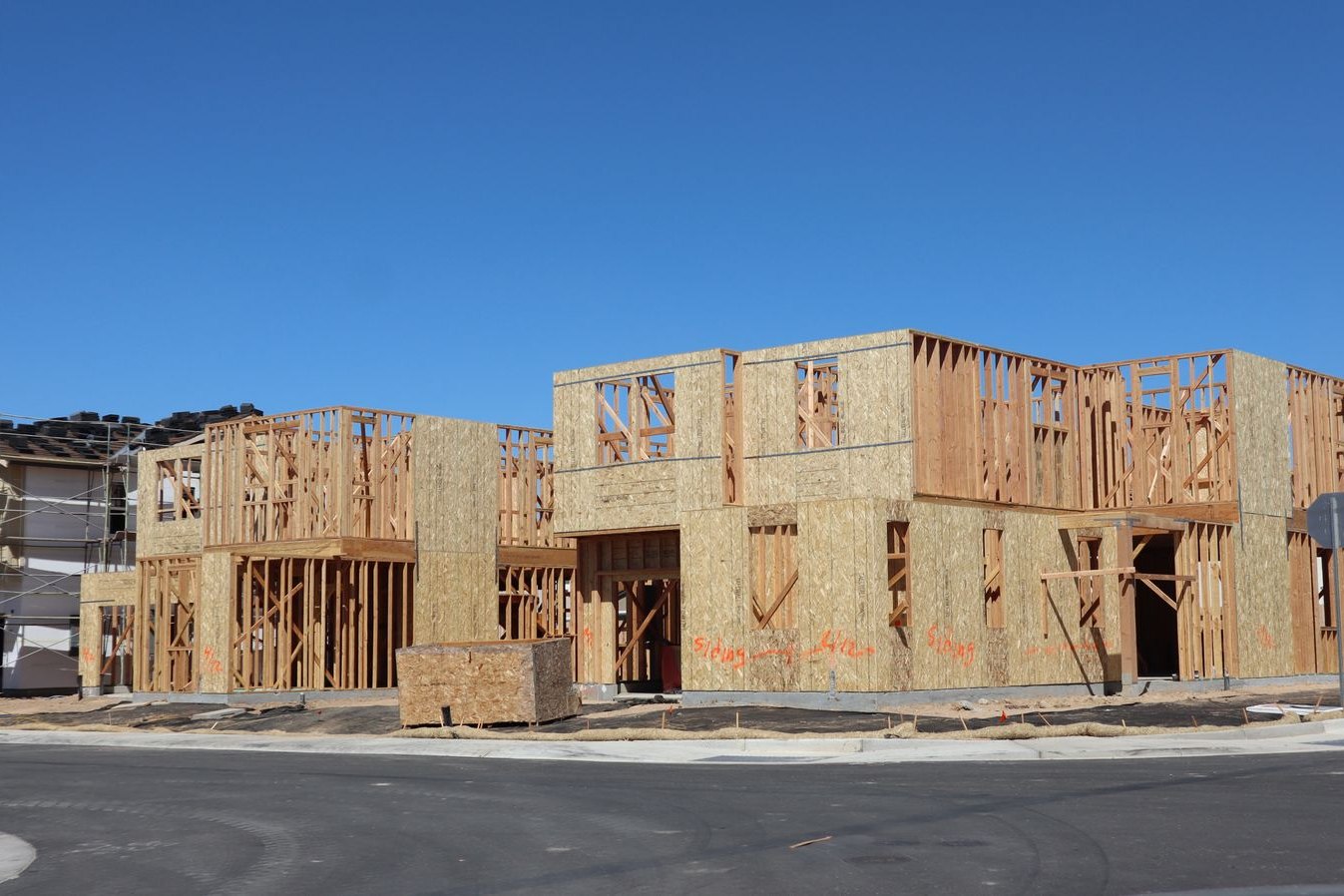
Put those two datasets next to each other and something practical falls out: a very large share of the housing stock in Yukon, Mustang and Piedmont has never been through a declared event in its current form. New roofs on new construction, and owners whose reference point for “a bad Oklahoma storm” is secondhand.
That’s not a warning, and it isn’t a sales angle. It’s just a fact about a young housing stock in a place with an old weather pattern.
The Mechanics That Follow From It
A few things tend to matter more here than people expect, and all of them are written into the contract rather than assumed:
Wind and hail deductibles. In Oklahoma these are commonly written as a percentage of the dwelling limit rather than a flat dollar amount, which means the number moves when the dwelling limit moves. On a newer, higher-valued home, that percentage is a bigger number than the flat deductible people picture.
Roof settlement terms. Policies vary considerably in how they treat an aging roof — replacement cost versus actual cash value, sometimes on a schedule that steps down with age. On a 2021-built subdivision this is a non-issue today and a live question in eight years.
Ice, specifically. Given what the federal record says about this county, freeze and ice losses deserve more attention than they usually get in a spring-focused conversation. Burst pipes, ice dams, and the weight of ice on structures produce a different claim shape than hail does.
Flood. Always separate, everywhere in Oklahoma. Four of the county’s 39 declarations were flood events, and none of them changed what a homeowners policy is.
Whatever your situation, the policy is the thing that answers it — not the county’s history, and not this page.
If you own a home anywhere from El Reno to Piedmont and want someone to read the declarations page with you, see how our home coverage works or call (405) 861-8500. We shop, you choose.
This article is general information about how coverage typically works, not advice about your specific situation. Policy language — not website descriptions — determines coverage, and your policy is the only thing that says what you have.