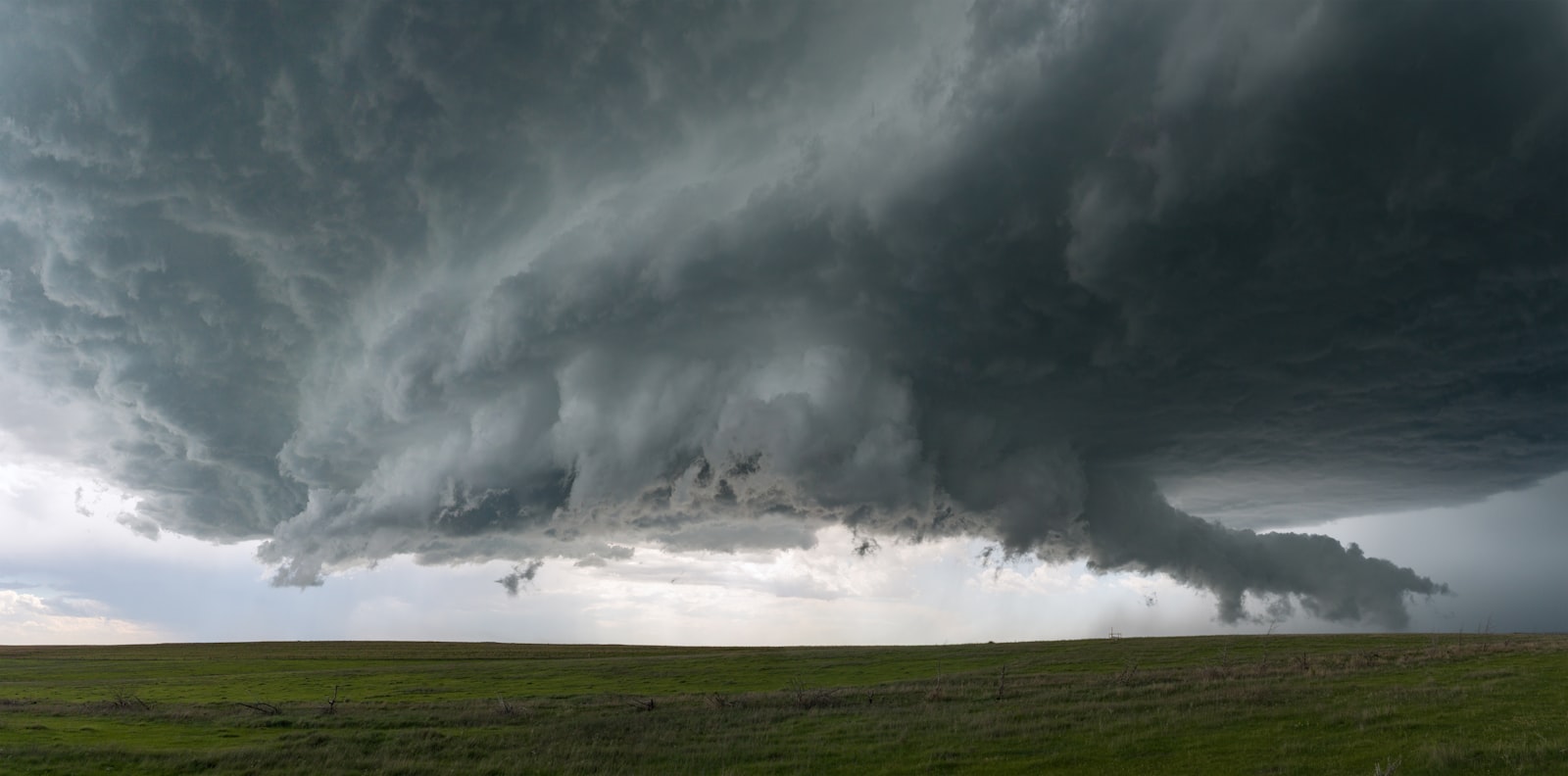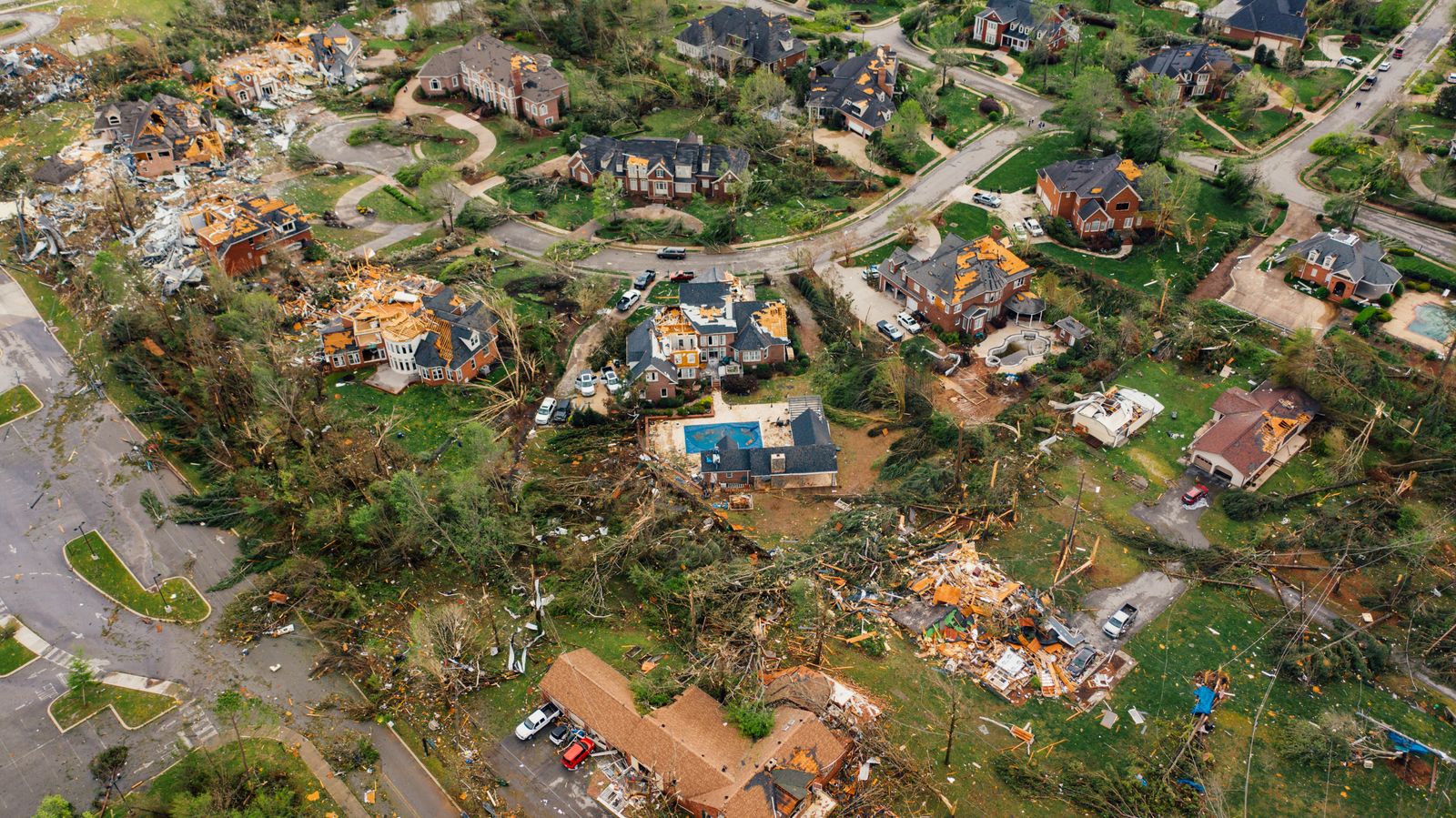
Pull FEMA’s declaration records for Oklahoma County and one thing jumps out immediately: the disaster we’re famous for is nearly the rarest one on the list.
Since 1974, Oklahoma County has been named in 51 federal disaster declarations — roughly one a year for five decades. Fire leads the list with 16. Severe storms account for 15 more. Severe ice storms add 10. Flooding shows up 4 times. And tornadoes — the thing the sirens, the spotters, and every out-of-state relative asks about — appear just twice.
What the Record Actually Shows
The numbers come from FEMA’s public OpenFEMA dataset, which logs every major disaster, emergency, and fire management declaration back decades. For Oklahoma County the breakdown since 1974 looks like this: 16 fire declarations, 15 severe storm declarations, 10 severe ice storms, 4 floods, 2 tornadoes, plus a handful of others — including the 1995 Murrah Building bombing and the COVID-19 emergency.
That’s not a claim that tornadoes are harmless here — nobody who lived through May 3, 1999 or May 20, 2013 in the metro needs that corrected, and a tornado doesn’t need a federal declaration to destroy a specific neighborhood. Declarations track events large and costly enough to overwhelm state and local response, which grass fires burning across multiple counties and metro-wide ice storms do with grim regularity. But it’s a useful correction to how risk gets weighted in people’s heads. The events that keep showing up at federal scale around here are wind, hail, ice, and fire — the slow-news-day disasters.
Why This Matters for a Homeowners Policy
Each of those recurring events touches a different part of how policies are typically written. Wind and hail are usually covered perils, but around Oklahoma they often carry their own separate deductible — frequently a percentage of dwelling coverage rather than a flat amount. Ice storms produce tree-on-house and pipe-freeze claims that policies generally handle, though the details on tree removal and water damage vary more than people expect. Wildfire is typically a covered peril too — worth remembering for homes on the grassy edges of the metro, from Deer Creek out toward Luther and Arcadia, where several of those 16 fire declarations actually burned.
Flood is the odd one out, in the record and in the paperwork: only 4 declarations, but zero coverage in any standard homeowners policy. Flood coverage is always a separate purchase, and central Oklahoma’s flash-flood pattern — a lot of rain, fast, onto ground that doesn’t absorb it — doesn’t check the county’s flood-zone maps first.
The Honest Fine Print About Declarations
One more thing the record can’t do: pay a claim. A federal disaster declaration unlocks public assistance and, sometimes, limited individual aid — it is not insurance, and most homeowners never see a FEMA check for storm damage. The policy in the filing cabinet is what responds to a tree through the roof, and it responds the same way whether or not the event ever makes the federal list.
Fifty years of data says the metro’s disasters come in more flavors than the sirens suggest. A policy review with those perils in mind — wind/hail deductible, tree and ice scenarios, the flood question answered on purpose — is a reasonable thing to do in a quiet week like this one, before the next declaration-worthy event, whatever it turns out to be.
If you’re in Oklahoma County and haven’t read your policy since it renewed, learn about our home insurance services or call (405) 861-8500 — we’ll go through what it says together.
This article is general information about how coverage typically works, not advice about your specific situation. Policy language — not website descriptions — determines coverage, and your policy is the only thing that says what you have.