Kingfisher County is better known for wheat and wind than for disasters, but its federal file has a clear pattern. Of the 35 FEMA declaration records that name the county, about 13 are ice storms or winter storms. Only two carry FEMA’s tornado code. And the most recent ice storm to earn a major disaster declaration, the one that started six years ago this week, sent no money to households in any of the 29 counties it covered.
For Kingfisher, Hennessey, Okarche, Dover, Cashion, and Loyal, that’s the useful read. The big losses people remember are spring storms. The federal paperwork leans toward ice.
What the federal file shows
We pulled every Kingfisher County record from FEMA’s OpenFEMA Disaster Declarations Summaries. They run from a 1973 flood through the February 2021 winter storms. Grouped by FEMA’s incident coding:
- 14 severe storm records, four of them titled as winter storms
- 9 severe ice storm records
- 5 flood records
- 2 fire records, including the 2006 Cashion Fire Complex
- 2 tornado records, including the May 3, 1999 outbreak
- 2 biological (COVID-19) records and 1 hurricane-evacuation record
That total of 35 ranks 23rd among Oklahoma counties, a three-way tie. The middle county has 32. The nine ice storm records put Kingfisher in a six-way tie for 16th on that code alone.
Coding has limits. Several severe storm titles also name tornadoes, so the tornado code understates tornado activity. The National Weather Service office in Norman counts 84 tornadoes in Kingfisher County from 1950 through 2025, tied with Ellis County for 16th. Tornadoes are common here. They just don’t usually become federal disasters on their own.
October 2020, six years later
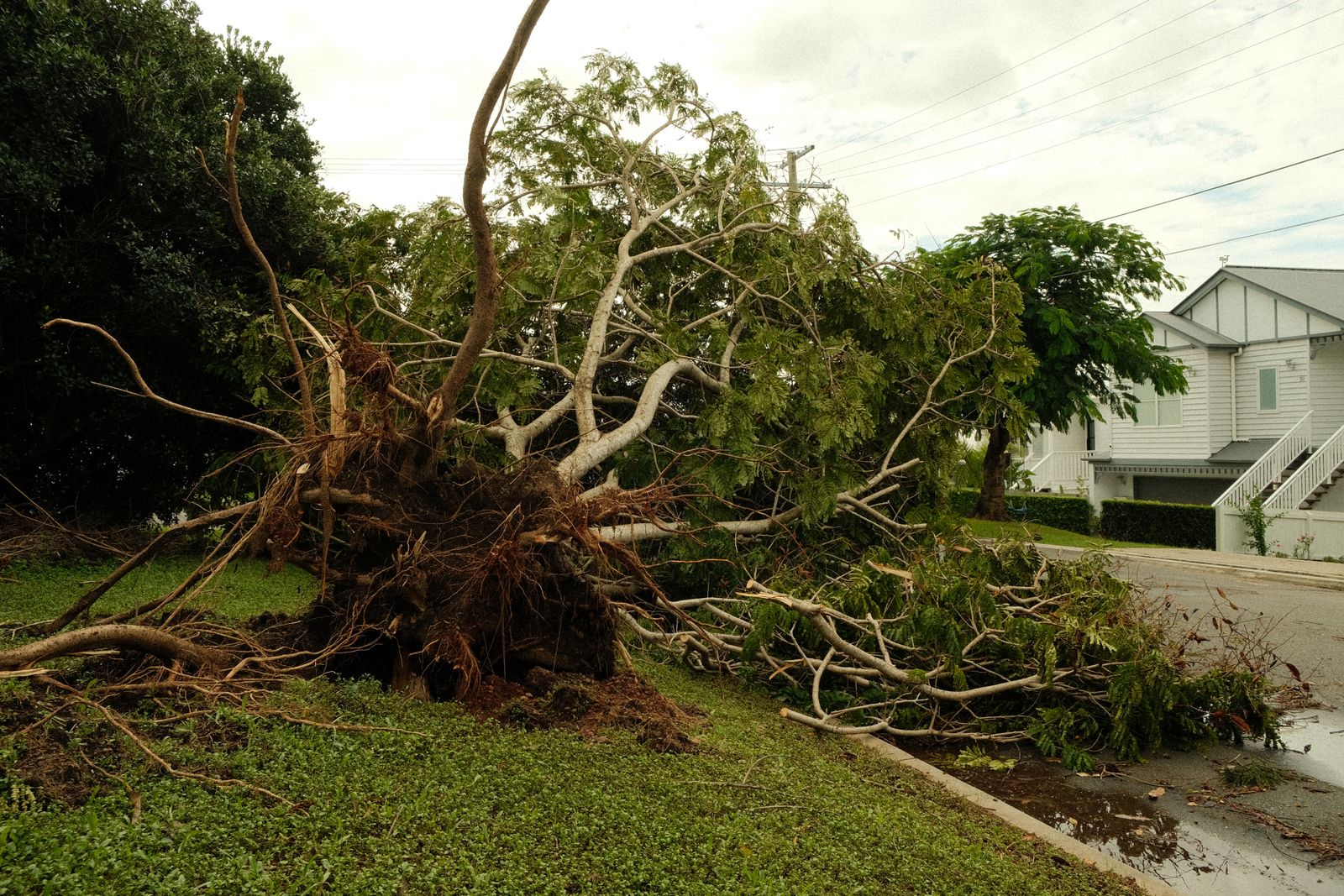
From October 26 to 29, 2020, an ice storm hit central and western Oklahoma. NWS Norman reported freezing rain totals of at least 1.5 inches in parts of west-central and central Oklahoma, extensive tree and power line damage, and hundreds of thousands of people without power by October 28. On October 27 it logged large tree branches down in Hennessey.
FEMA declared it a major disaster, DR-4575, on December 21, 2020. Kingfisher was one of 29 counties named.
The unflattering part
Every one of those 29 county records was Public Assistance only. That money helps local governments with debris removal, emergency work, and repairs to public property. Not one county received Individual Assistance or Individuals and Households aid.
Kingfisher’s longer record looks similar. Household aid appears in 13 of its 35 records, and the last one tied to weather was a 2019 storm declaration. We’ve covered what FEMA household aid typically looks like in Oklahoma. Even when it arrives, it’s built to make a home safe to live in, not to replace one.
For a homeowner, a federal declaration and a homeowners claim are two separate things. After the 2020 storm, a limb through a roof or a crushed carport was a question for each family’s own policy.
What ice storms mean on a homeowners policy
- Falling limbs. Most policies treat a limb that damages the house or a covered structure as wind, ice, or weight-of-ice damage. Tree removal is often limited. We go through it in fallen tree damage: who pays.
- Long outages. Power off for days brings frozen pipes and spoiled food, which are handled differently from storm damage.
- Other structures. Barns, shops, and fences often have a separate limit that is a percentage of the dwelling limit.
Our Oklahoma ice storm disaster record has the statewide picture.
The address-level question
A county file shows what has happened across a whole county. It can’t tell you how a farmhouse outside Okarche or a newer home in Kingfisher is written. Your policy is the thing that answers that.
If you own a home or acreage in Kingfisher County and want someone to go through the wind, ice, and other-structures sections with you before winter, call (405) 861-8500. You can also start with our home insurance page or request a quote.
This article is general information about how coverage typically works, not advice about your specific situation. Policy language — not website descriptions — determines coverage, and your policy is the only thing that says what you have.