If you’ve owned a home in Oklahoma for any length of time, you’ve probably heard the term “wind and hail deductible” thrown around, maybe after a hailstorm rolled through Edmond or the OKC metro. It’s one of the most misunderstood parts of a homeowners policy here, and understanding how it works can genuinely save you money and stress down the road.
What Makes It Different
Most people are used to thinking of a deductible as a flat dollar amount — a fixed number that applies no matter what the claim is. In Oklahoma, that’s usually only true for your standard deductible, which covers things like fire, theft, and certain types of water damage.
Wind and hail claims are typically handled differently. Most Oklahoma homeowners policies apply a separate wind and hail deductible that’s calculated as a percentage of your home’s insured value, rather than a flat dollar figure. Percentage deductibles typically range from 1% to 5% of a home’s insured value; where yours lands depends on your carrier and your home, so it’s worth asking for your policy’s exact figure.
Here’s what that looks like in practice. On a home insured for $300,000 with a 2% wind and hail deductible, you’d be responsible for the first $6,000 of a wind or hail claim before your insurance coverage kicks in. That’s a much bigger number than most people expect when they hear the word “deductible,” and it catches homeowners off guard after a bad storm if they haven’t looked closely at their policy beforehand.
Why Oklahoma Handles It This Way
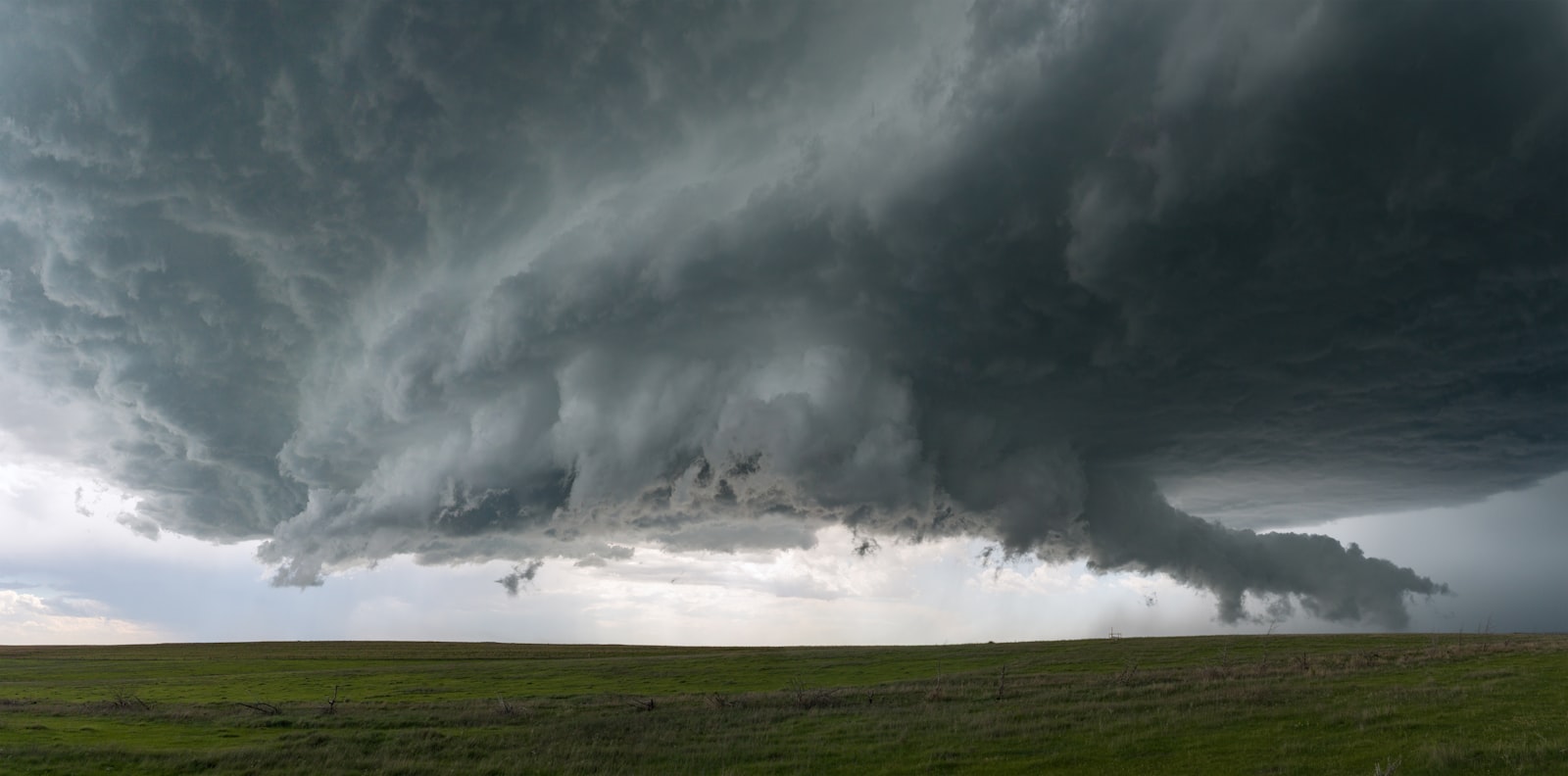
Oklahoma sits in Tornado Alley, and beyond tornadoes themselves, the state sees frequent, sometimes severe hailstorms. Oklahoma logged 66 tornadoes in a recent year — eighth in the nation — and the season has a clear shape: May alone accounts for about 41% of the tornadoes the state has recorded since 1950, with April and June close behind, though severe weather can technically happen any month and a smaller secondary season sometimes shows up in the fall. Because wind and hail claims are so common here compared to other parts of the country, insurers structure this deductible differently to help manage that risk across the whole book of policies they write in the state.
The 2023 Law Homeowners Should Know About
In 2023, Oklahoma passed a law (House Bill 1940, effective November 1, 2023) making it illegal for roofing contractors paid from insurance proceeds to advertise or promise to pay all or part of a homeowner’s deductible as an incentive to win a roofing job. Contractors giving an estimate are also required to notify homeowners in writing that the homeowner is responsible for paying that deductible themselves. This matters because, before the law, some contractors would offer to “eat the deductible” to make a sales pitch more attractive, which created real problems for both homeowners and insurers. If a contractor ever offers to cover or waive your deductible, that’s a red flag worth taking seriously.
Practical Ways to Manage the Risk
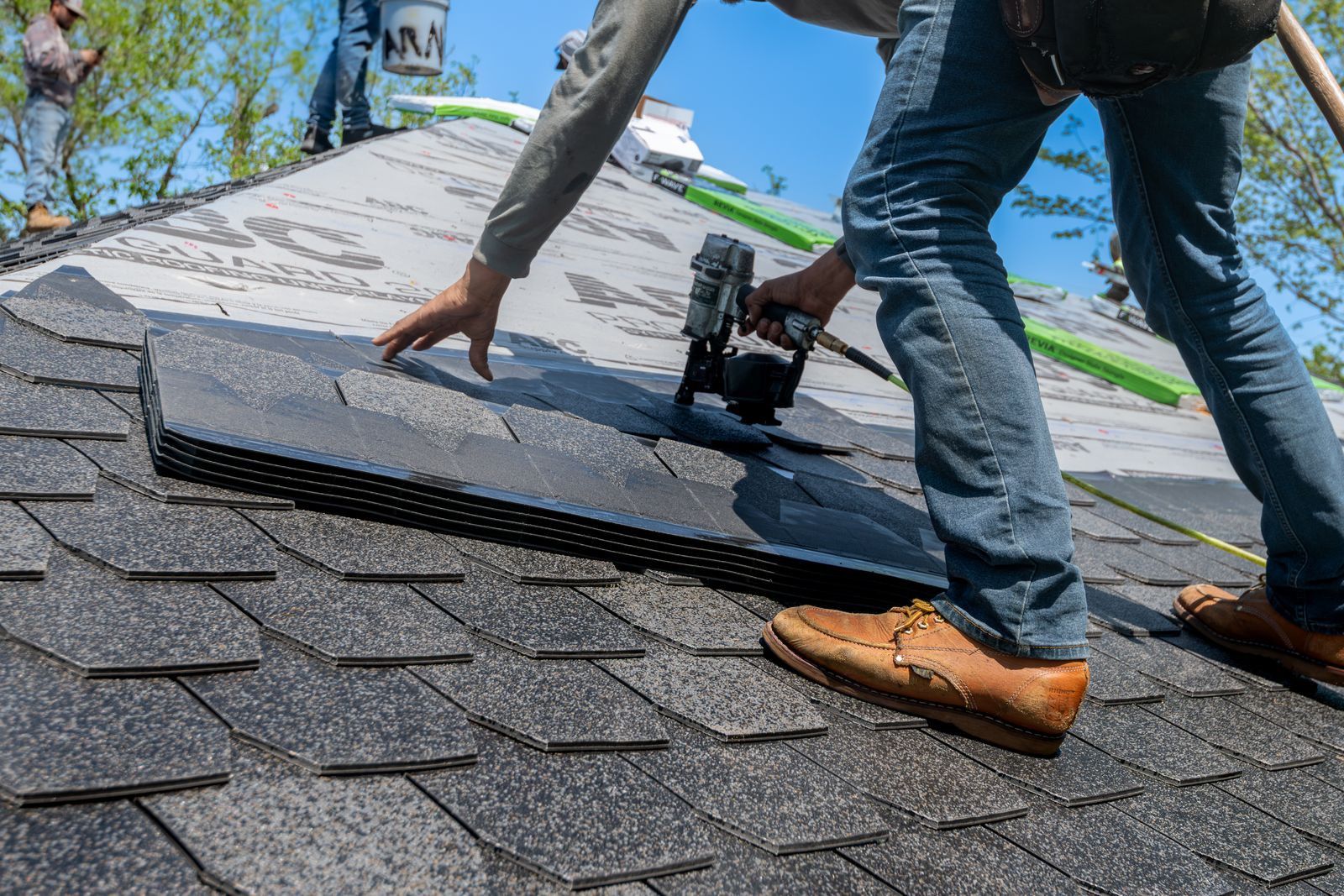
While you can’t control the weather, there are things you can do to help manage both the risk of damage and the cost of coverage. Impact-resistant roofing materials are built to hold up better against hail and can sometimes qualify you for a discount with certain carriers. Routine roof maintenance and prompt repairs of minor damage can also help prevent smaller issues from turning into major claims. And keeping a clear, updated view of your home’s insured value helps make sure your wind and hail deductible is calculated against an accurate number, not an outdated one.
Know Your Percentage Before the Hail Falls
Wind and hail deductibles are one of the trickiest parts of an Oklahoma homeowners policy to understand, and every carrier handles the percentage a little differently. Rondon Insurance Services in Edmond, OK can walk through your options and compare quotes across our carriers to find coverage that makes sense for your home. Reach out any time — we’re happy to help you sort through it.