Here is what we ask before we quote a home, and why each answer changes the number. The roof, the year built and what has been updated, the distance to a hydrant, prior claims, square footage and construction, what lives on the property, and who is on the deed. Skip half of it and a quote still prints. It just does not hold.
Why the questions come first
Nothing in our office moves to quoting until the file is complete. That is a tracked step, not a habit. Before any of the questions below, we ask why someone is shopping, because a rate increase, a claim that went badly and a new mortgage are three different problems, and the quote that solves one does not solve the others.
Then we ask for the current declarations page. Not to pick it apart, but because it says things the homeowner may not know it says: whether the roof settles at replacement cost or on a depreciation schedule, whether personal property is on actual cash value, what the wind/hail deductible is today, and whether there is an older coverage on the policy worth keeping. That page is the baseline every quote gets compared against.
The roof: age, material and shape
Age, material and shape, in that order. A four-year-old architectural shingle roof and a nineteen-year-old three-tab roof on identical houses do not price the same, and on some carriers the older one does not price at all. Shape matters because hip roofs handle wind differently than gable roofs, and some carriers credit that. This is the single answer that moves an Oklahoma home quote the most, and it is the one people most often round to “pretty new.”
Year built, and what has been changed since
The year built is a starting point. What carriers actually want is what has been updated: the electrical panel and service entrance, the plumbing supply lines, the water heater, the furnace and air conditioning. A 1978 house in Edmond with a 2019 panel and PEX supply lines is a different risk than the same house with the original breaker box and galvanized pipe, and the application has a line for each.
Protection class
How far the home sits from a fire hydrant and from the station that would respond. Inside Edmond or Oklahoma City proper this is rarely a surprise. On acreage out toward Arcadia or north of Deer Creek it can be, because a home that looks suburban may be beyond the hydrant grid and rated as if it were rural. The protection class is set by the carrier, not chosen by anyone.
Prior claims
Anything paid on the property in the last five years, and anything paid to the homeowner at a previous address. Carriers check this against a loss history report, so the answer given on the phone is the one that has to match the report later. A forgotten hail claim from 2021 is not a problem when it is on the application. It is a problem when it shows up at underwriting instead.
Square footage and construction
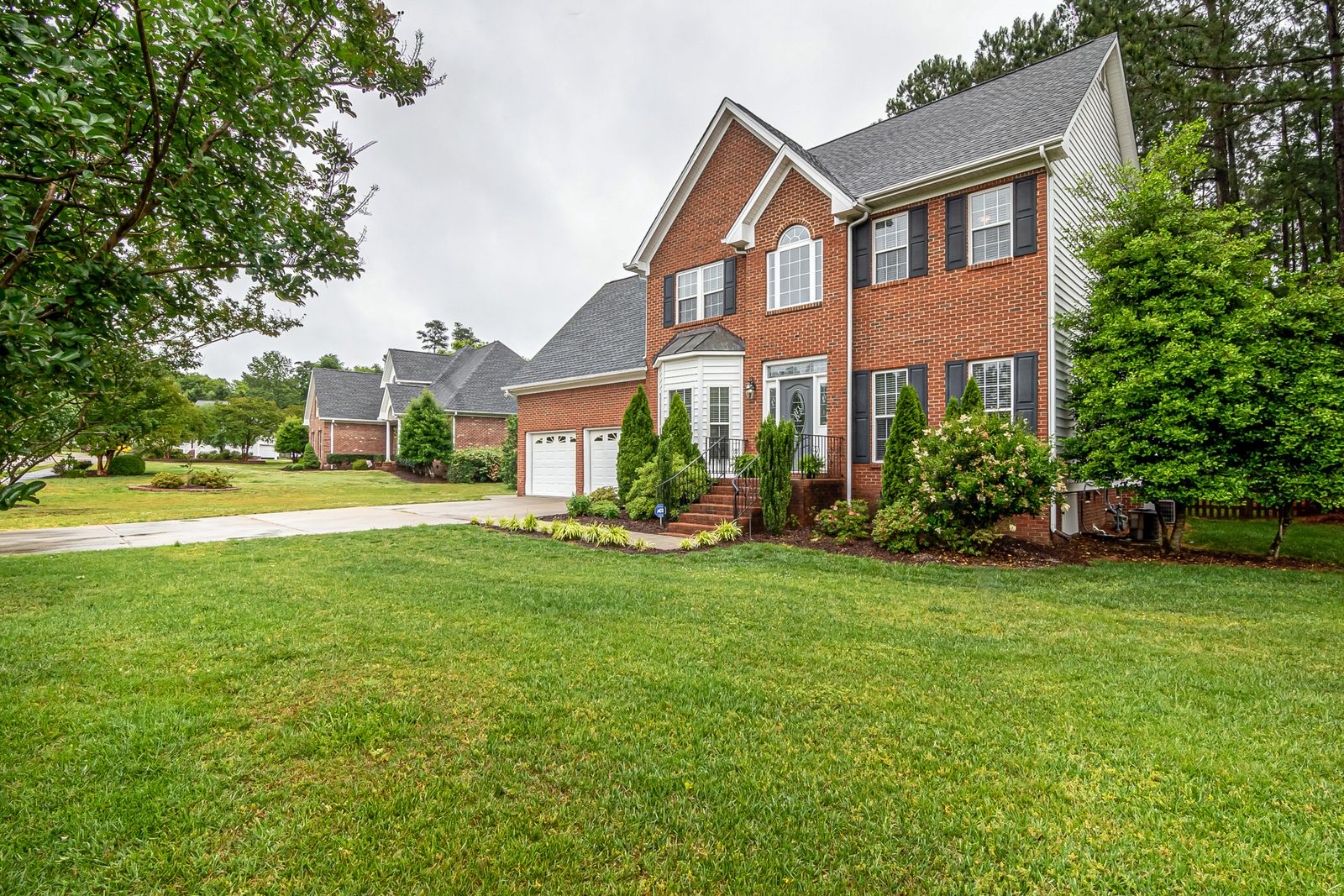
Square footage, stories, exterior finish, foundation type, garage size. These feed the rebuild estimate, and the rebuild estimate is the dwelling limit. That limit is a construction cost, not a market value and not the county assessor’s number. In a hot Edmond market the house may sell for more than it would cost to rebuild; in a slow one, less. Neither figure is the one on the policy.
What lives on the property
Dogs, and which breed. Trampolines. A pool, and whether it is fenced. A detached shop or a barn. Each one is an underwriting question with a yes-or-no answer, and each one can change which carriers will write the home at all.
Occupancy and who is on the deed
Whether the home is a primary residence, a second home, or a rental. Whether the deed is in a person’s name, a trust, or an LLC. A house held in a trust needs the trust named on the policy, and a house that is actually a rental is a different policy form entirely. This is the question people most often answer without thinking, and the one that most often turns out to matter.
The part that does not flatter us
The list is long, and some of it is annoying. An agent can skip half of it and produce a number in four minutes, and plenty do. The number rates. Then it goes to underwriting, the loss report comes back, the roof inspection comes back, and the number moves. The second number is the one that counts, and by then the client has already compared the first one to everything else.
Some of these questions we ask because the carriers require it, not because we are curious. That is the honest reason the application is as long as it is.
What answers this
Oklahoma’s average homeowners premium was $2,155 in the most recent NAIC data, third highest in the country, with a wind/hail deductible under it that typically runs 1% to 5% of the insured value. On numbers that size, a quote built on guesses is not a quote. It is a placeholder. The questions above are the first step in how we quote, and the policy that comes out the other end is the thing that answers what was actually written.
Ready to walk through it? Start at our home insurance page, or call (405) 861-8500 and we will go through the list for a house in Guthrie, Edmond or anywhere in the metro before a single number comes back.
This article is general information about how coverage typically works, not advice about your specific situation. Policy language — not website descriptions — determines coverage, and your policy is the only thing that says what you have.