If you’re buying homeowners insurance for the first time, or you’ve just never dug into why your rate is what it is, it can feel like a bit of a black box. The good news is that the factors insurers use aren’t secret, and once you understand them, the whole pricing process makes a lot more sense. Here’s a simple breakdown.
Location and Weather Exposure
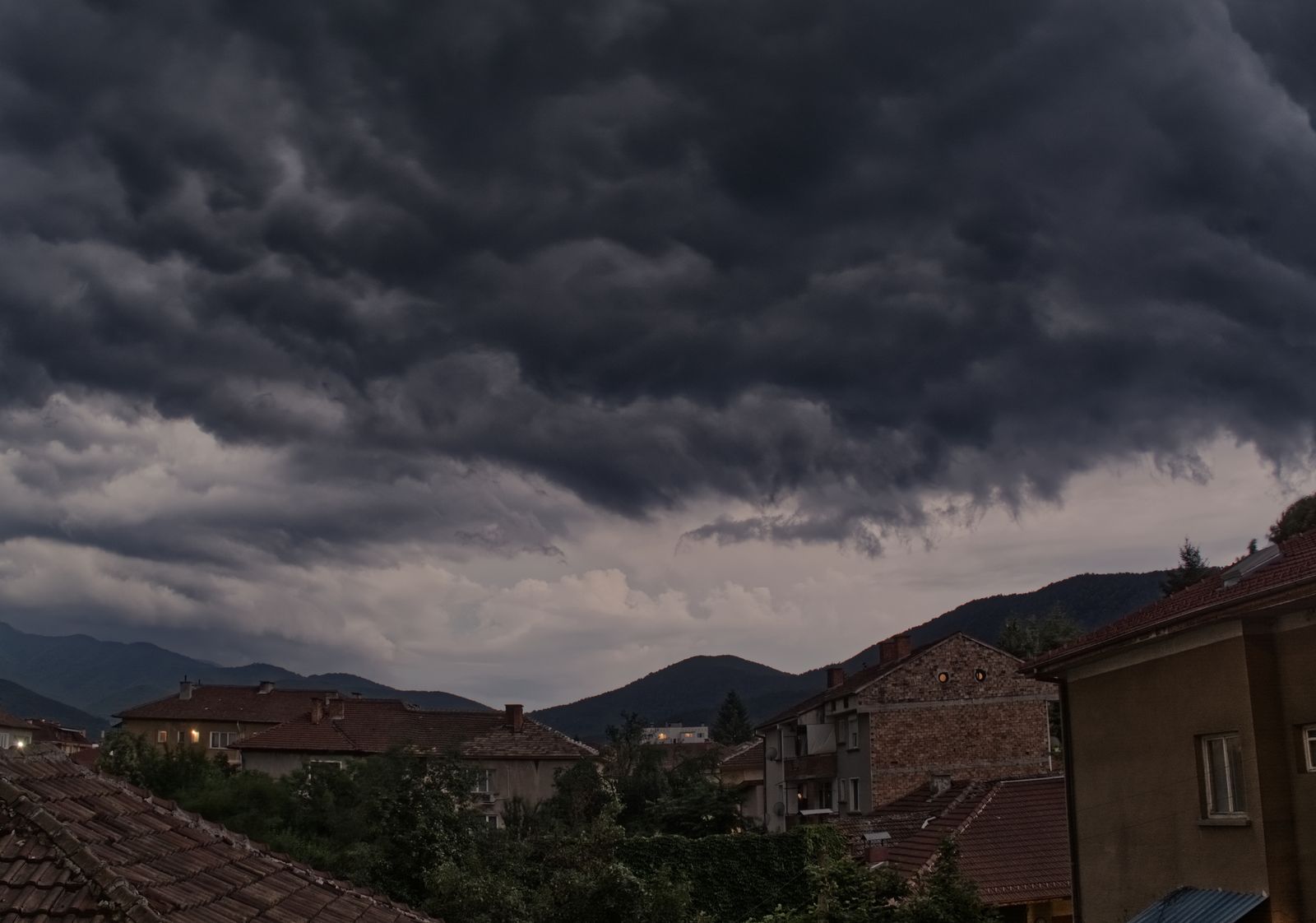
Where your home sits plays a big role in your rate. Oklahoma is part of Tornado Alley — the state recorded 66 tornadoes in a recent year, eighth in the nation — and homeowners across Edmond, Norman, Moore, Yukon, Mustang, and the rest of the OKC metro all deal with a real risk of wind, hail, and tornado damage. Insurers factor this regional weather exposure into pricing, which is a major reason Oklahoma rates tend to run higher than states with calmer weather patterns. Your specific address also matters, including how close you are to a fire station and fire hydrant, which affects what’s called your protection class.
Characteristics of Your Home
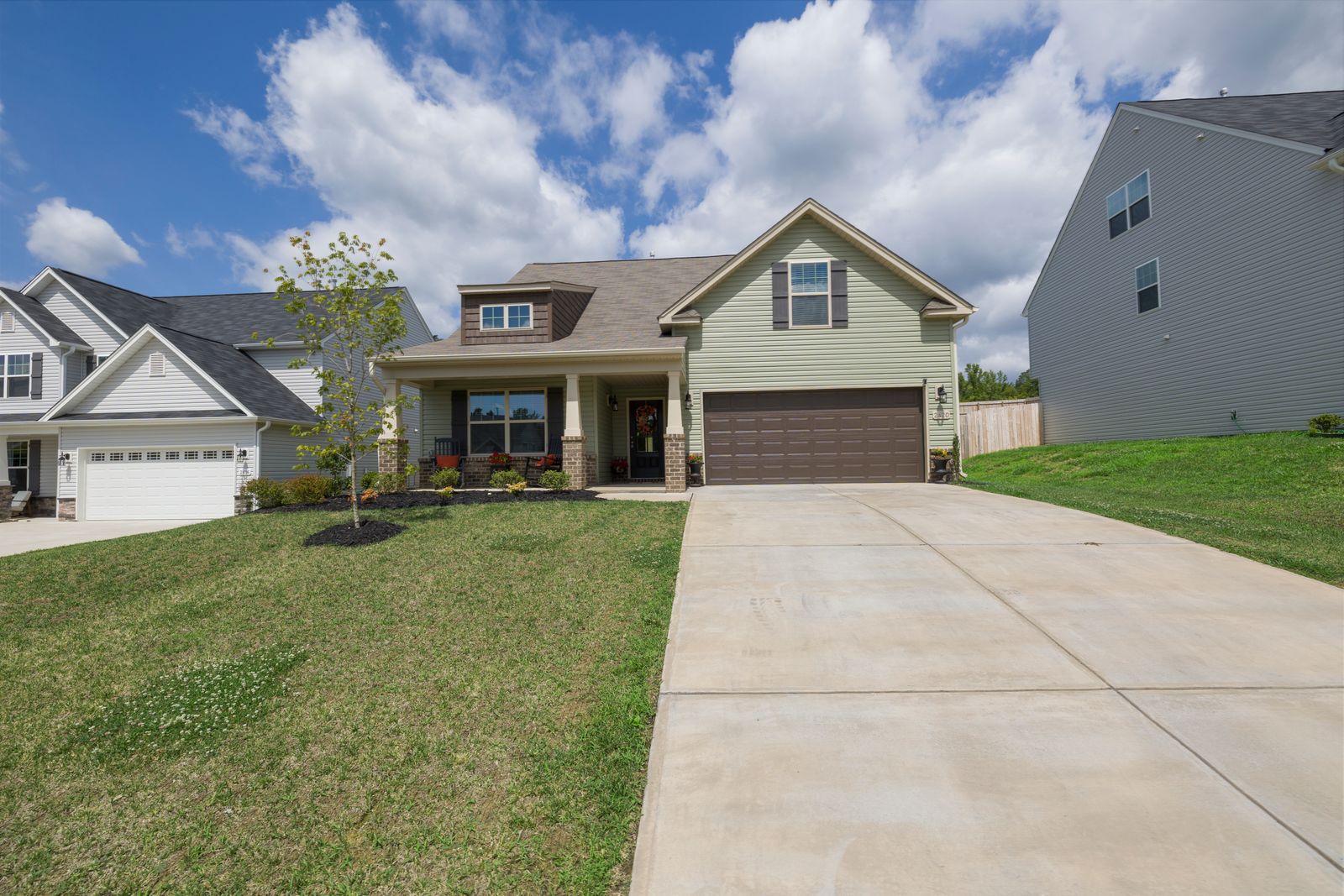
The physical details of your house matter a lot. This includes the age of the home, the type of construction (brick, frame, and so on), the square footage, and importantly, your roof. Roof age and roofing material are especially significant in Oklahoma because roofs take the brunt of hail damage. A newer roof, or one built with impact-resistant materials, can often help keep your rate more favorable.
The Coverage and Deductibles You Choose
You have more control here than you might think. The dwelling coverage amount, your liability limits, and your deductibles all directly shape your premium. Choosing a higher deductible generally lowers your premium, while more generous coverage limits raise it. In Oklahoma, remember that your wind and hail deductible is typically separate from your standard deductible and is usually calculated as a percentage of your home’s insured value — percentage deductibles typically range from 1% to 5%, so ask what your policy’s exact figure works out to in dollars.
Claims History
Insurance companies typically review claims history when quoting a new policy, often through a report that shows prior claims tied to the property or the homeowner. A history of frequent claims, particularly water damage or wind and hail claims, can push your rate higher, since it suggests a greater likelihood of future claims.
Credit-Based Insurance Score
In Oklahoma, most carriers are allowed to factor in a credit-based insurance score when pricing a policy. This is different from a traditional credit score used for loans, though it draws on similar underlying credit data. Not every insurer weighs this factor the same way, which is one reason identical homes can get different quotes from different companies.
Discounts You Might Qualify For
Many carriers offer discounts that can help offset your rate, such as bundling your home and auto insurance together, installing home security or monitoring systems, having a newer roof, or maintaining a claims-free history over time. These discounts vary quite a bit by carrier, so it’s worth asking specifically what’s available rather than assuming your current policy already includes everything you qualify for.
Why It Pays to Compare
Because every insurance company weighs these factors a little differently, the same home can generate noticeably different quotes across carriers. That’s the real value of working with an independent agency instead of going straight to a single insurer. Rather than fitting your home into one company’s pricing model, an independent agent can shop your information across multiple carriers and show you where the best combination of price and coverage actually lands.
See What Your Home Actually Costs to Insure
If you’re new to homeowners insurance or just want a clearer picture of your options, Rondon Insurance Services in Edmond, OK can walk you through it and compare quotes across our carriers. Reach out any time, we’re glad to help you get started.