Usually because they are not the same policy. Two quotes on one house can be far apart and both be correct, because four dials sit under the price: the dwelling limit, the wind/hail deductible, the roof settlement basis, and which endorsements are included by default. Line those up and the gap usually shrinks to something a person can explain.
Dial one: the dwelling limit
Coverage A is the cost to rebuild the house, and no two estimators agree on it. The same 2,400-square-foot brick house in Yukon can come back anywhere across a fairly wide range depending on which tool ran it and which finishes it assumed. A quote built at the low end of that range is cheaper than one built at the high end, and both were produced honestly. The question is which one rebuilds the house after a total loss.
Dial two: the wind/hail deductible
The separate wind/hail deductible on an Oklahoma home policy is typically a percentage of the insured value, commonly 1% to 5%. A quote at 1% and a quote at 2% on the same house are two different policies, and the second one is cheaper for a reason the homeowner discovers after a hailstorm. On a home insured at $350,000, that one step is the difference between $3,500 and $7,000 coming out of the household before the carrier pays anything.
Dial three: the roof settlement basis
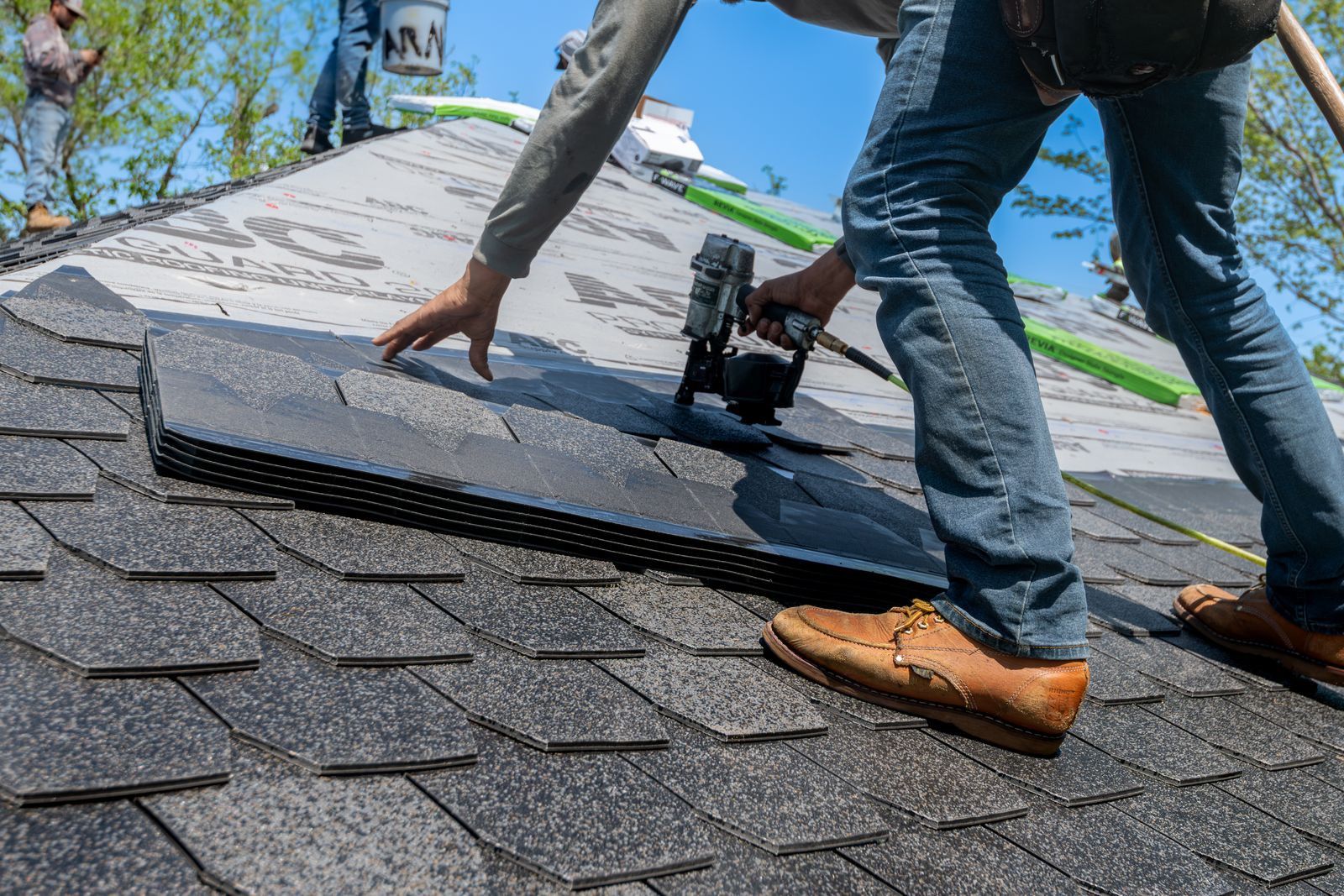
Some policies settle a roof claim at replacement cost. Some settle it on an actual-cash-value schedule that pays less each year the roof ages, and some carriers apply that schedule automatically once a roof passes a certain age. A quote with the schedule is cheaper than a quote without it. It is also a quote where a fifteen-year-old roof might pay out at a fraction of what a new one costs. Oklahoma logged 66 tornadoes in a recent year, and the hail that travels with that weather is why this dial matters more here than almost anywhere.
Dial four: what is in by default
Water backup. Ordinance or law. Service line. The other-structures percentage. Some carriers include a package of these in the base quote; others leave every one of them off unless someone asks. A base quote with nothing added is cheaper than a base quote with four endorsements, and the difference is invisible on a one-page summary.
The five lines that make two quotes comparable
The five lines that make two quotes comparable are Coverage A, the standard deductible, the wind/hail deductible, the roof settlement basis, and the endorsement list. Two quotes that match on those five lines are comparing price. Two quotes that do not match on them are comparing policies, and the price difference is mostly the policy difference wearing a disguise.
Everything else on the page matters less than people expect. Liability limits, medical payments and personal property limits move the premium, but they move it modestly and they are easy to see. The five lines above are where the money hides.
The part that does not flatter us
An agent who wants to look good on price can move three of those dials and do it honestly. Raise the wind/hail percentage. Accept the actual-cash-value roof schedule. Push the dwelling limit to the low end of the estimator range. None of that is fraud. All of it shows up at a claim.
We have been the low quote and the high quote on the same house in the same week, and the difference was those dials. Nobody was lying either time. The two quotes were describing two different policies, and only one of them was built the way we would insure our own house.
Oklahoma’s average homeowners premium was $2,155 in the most recent NAIC data, third highest in the country. On numbers that size a difference of a few hundred dollars gets attention, and it is exactly the size of gap those dials create.
What answers this
The quote is not the policy. The policy is the thing that says what the dwelling limit is, what the wind/hail deductible is, how the roof settles and which endorsements made it on. Two quotes are only comparable once those lines are matched, which is why matching them is a step in how we quote before any prices go side by side.
Have two quotes that do not agree? Start at our home insurance page, or call (405) 861-8500 and we will line them up on the five lines for a house in Yukon, Mustang or anywhere in the metro. It takes about ten minutes and it usually explains the whole gap.
This article is general information about how coverage typically works, not advice about your specific situation. Policy language — not website descriptions — determines coverage, and your policy is the only thing that says what you have.