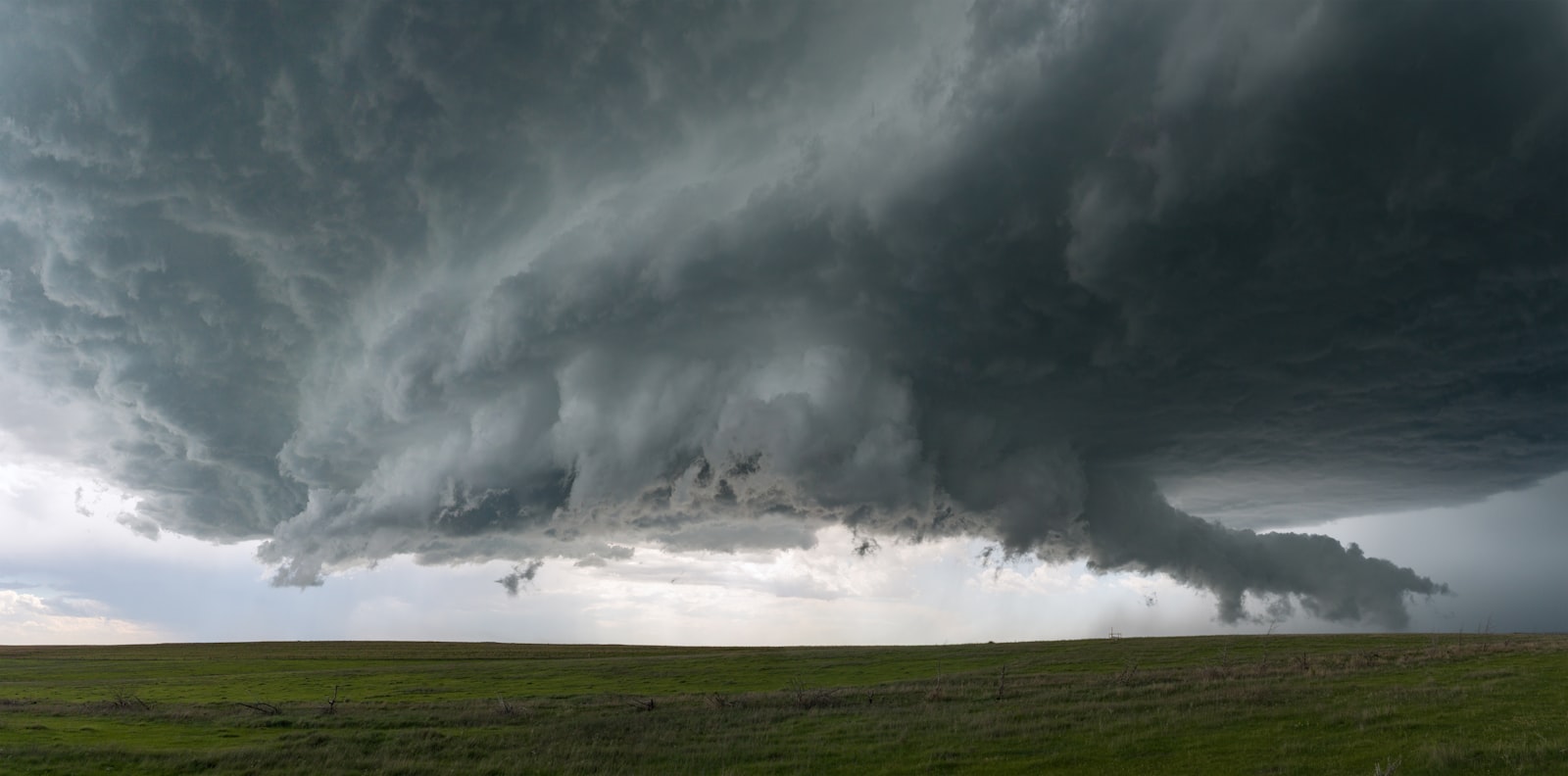
Most homeowners set their deductible once, when they first buy a policy, and never think about it again. That’s a missed opportunity, because your deductible is one of the few coverage decisions that’s entirely in your control and can have a real effect on your premium. In Oklahoma, though, the strategy is a little more layered than in other states, because of how wind and hail deductibles typically work.
The Basic Trade-Off
In general, a higher deductible means a lower premium, and a lower deductible means a higher premium. That’s because you’re agreeing to shoulder more of the cost of a small to mid-size claim yourself, which reduces the insurer’s expected payout and, in turn, what they charge you.
For example, a homeowner who raises their standard deductible from a lower amount to a higher one might see a modest reduction in their annual premium. The exact savings depend on the carrier and the home, but the general direction holds true across the industry.
Where It Gets More Complicated in Oklahoma
Here’s the part a lot of homeowners miss. Most Oklahoma homeowners policies have two separate deductibles: a standard deductible that applies to things like fire, water damage, and theft, and a separate wind and hail deductible that applies specifically to wind and hail claims.
That wind and hail deductible is usually calculated as a percentage of your home’s insured value rather than a flat dollar amount — percentage deductibles typically run from 1% to 5%, though the exact figure varies by carrier and policy, so it’s worth checking yours. On a $300,000 home with a 2% wind and hail deductible, you’d be responsible for the first $6,000 of a wind or hail claim before your insurance starts paying. That’s a meaningful number, and it’s separate from your regular deductible.
Why This Matters for Your Strategy
Because Oklahoma sees frequent hail and wind events — the state logged 66 tornadoes in a recent year, eighth in the nation — your wind and hail deductible often matters more, day to day, than your standard deductible. When you’re deciding whether to raise or lower deductibles to manage your premium, it’s worth thinking about both numbers together, not just the standard one.
Some homeowners choose to keep their standard deductible relatively low while accepting a higher wind and hail percentage, since a lower standard deductible helps with smaller, more unpredictable claims like a water leak, while the wind and hail deductible mainly comes into play during major storm events they can plan for financially. Others prefer the opposite. There’s no universally right answer, it depends on your comfort level with risk and what you could realistically cover out of pocket if a bad storm rolled through Edmond or the surrounding area.
When Raising Your Deductible Makes Sense
Raising a deductible tends to make the most sense when you have enough savings set aside to comfortably cover the higher out-of-pocket amount, and you’d rather pay a lower premium every year than a lower deductible on the rare occasion you file a claim.
When It Doesn’t
If a higher deductible would create real financial strain after a claim, the premium savings usually aren’t worth the risk. It’s also worth remembering that a very high wind and hail percentage on a higher-value home can add up to a large number fast, so it’s worth running the actual math rather than guessing.
Run the Numbers Before the Storm Does
The right deductible strategy really depends on your specific home and budget. Rondon Insurance Services in Edmond, OK can model out different deductible options and compare quotes across multiple carriers so you can see exactly what the trade-offs look like. Reach out any time, we’re happy to run the numbers with you.