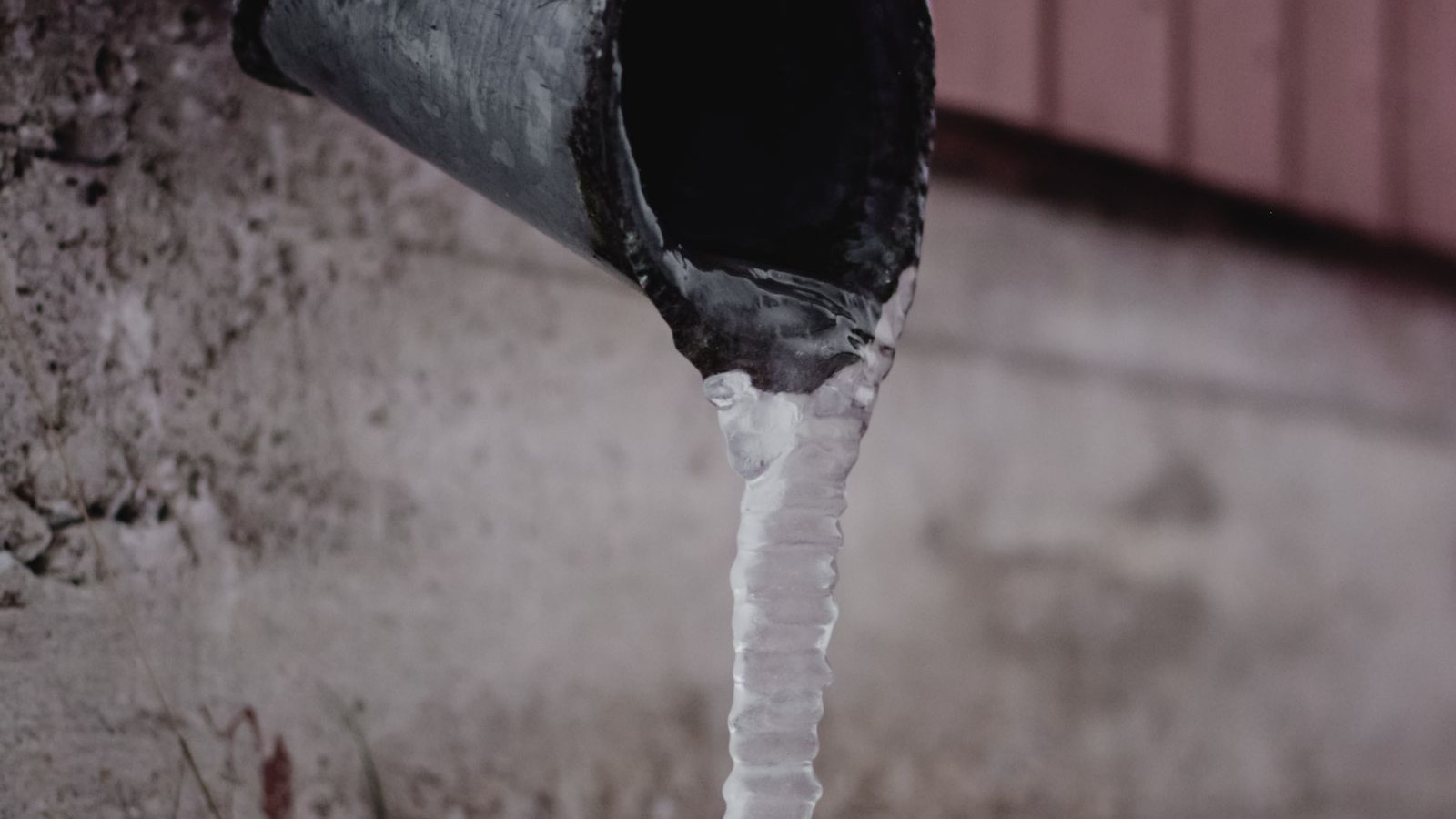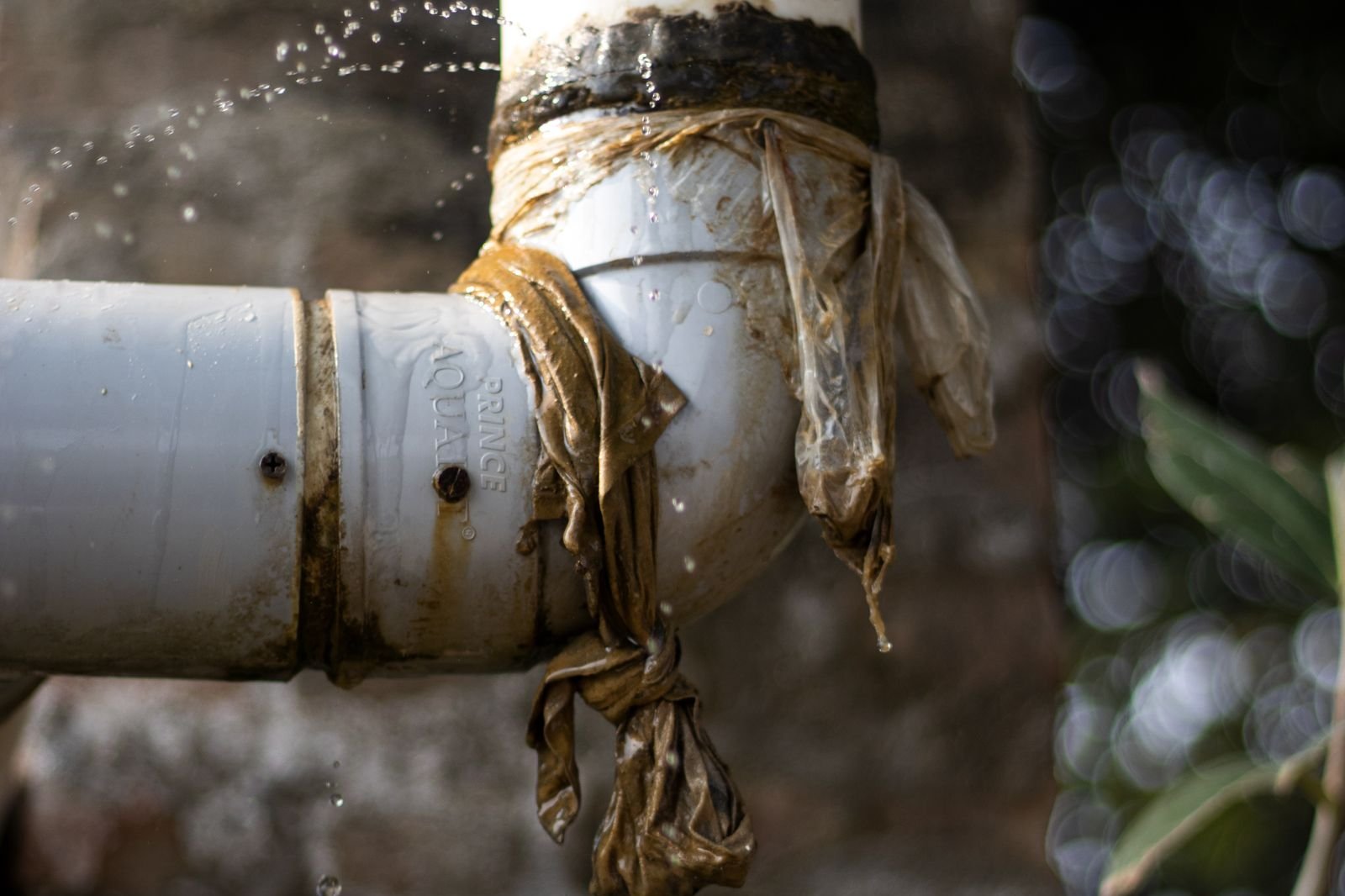
Two houses in Yukon, same floor plan, same damage: warped oak floors, a soaked subfloor, a kitchen cabinet run that has to come out. In the first house, a supply line under the dishwasher let go on a Tuesday and flooded the kitchen before anyone got home. In the second, the same line dripped for four months behind the kickplate. Most homeowners policies handle the first as a covered loss and treat the second as maintenance. Same water. Opposite answers. The words doing the work are “sudden and accidental,” and they are worth understanding before a claim, not during one.
Why the line exists
Homeowners insurance is built to respond to events — a thing that happened — not to conditions that developed. Policies of this type typically describe the water they respond to as a sudden and accidental discharge or overflow from a plumbing, heating, air conditioning or household appliance system. The Insurance Information Institute puts the flip side plainly: maintenance damage — damage from a lack of upkeep — is generally the homeowner’s responsibility, along with the mold and rot that grow out of it.
It is not a small category. Water damage and freezing accounted for 22.6 percent of homeowners insurance losses nationally in 2023, per ISO data published by the III, second only to wind and hail. In central Oklahoma, where a February freeze can split a pipe in the attic and August can dry out a slab enough to crack a line under it, both halves of that category show up in our office every year.
How an adjuster tells the difference
The question is almost never how bad the damage is. It is how long the water was there. Water leaves a timeline: staining rings, mineral deposits, corrosion on fittings, swollen and delaminated particleboard, mold colonies with visible growth stages, rot in framing. A burst line leaves a wet mess and clean materials underneath. A slow leak leaves history.
That is why the second Yukon house has a harder claim. Not because the homeowner did anything wrong, and not because the carrier is looking for a way out — but because the physical evidence says the discharge was not sudden, and the policy language was written around sudden.
Policies vary on this more than people expect. Some forms include a limited allowance for hidden, gradual leaks behind walls or under floors — sometimes called hidden water or seepage coverage — as an endorsement with its own limit. Some exclude gradual leakage outright. Some sit in between with language about damage the homeowner “could not reasonably have known about.” Which one is on the declarations page is the whole answer.
The part that gets missed twice
Two things surprise people even on a clean, sudden claim.
First, the thing that failed is usually not part of the claim. The policy is generally responding to the damage the water did — floors, drywall, cabinets — not to the water heater that split or the valve that cracked. Replacing the failed part is typically the homeowner’s cost, and on a water heater or a slab leak that can be a real number.
Second, the deductible on a water loss is generally the policy’s standard, flat deductible — not the percentage wind/hail deductible that Oklahoma homeowners hear so much about. On a $300,000 house with a $1,000 standard deductible and a 2 percent wind/hail deductible, that difference matters.
The part that does not flatter anybody
We would rather say this here than on a claim call. “Sudden and accidental” is the single most common reason a water claim in our office gets a worse answer than the homeowner expected, and it is also the single most common thing nobody explains at the point of sale — including, at times, us. It is not a hidden exclusion. It is the definition of the coverage. But a definition most people never read is, in practice, a surprise.
The other honest note: the fastest way to turn a covered sudden loss into a disputed one is to wait. Water that sat for a week because the shutoff was hard to find or the plumber was booked starts to look like water that sat for a month.
What the policy answers
Whether gradual leaks are excluded, limited, or endorsed back in; whether mold remediation has its own sublimit; what the flat deductible is; whether the failed appliance or line is addressed anywhere — your policy is the thing that answers this, and the answer is different from one form to the next.
Water heater older than you remember, or a slab leak you’ve been meaning to ask about? Our home insurance page covers the basics, or call (405) 861-8500 — we serve Yukon, Mustang and the rest of the metro, and we will find the water paragraph on your policy and read it with you.
This article is general information about how coverage typically works, not advice about your specific situation. Policy language — not website descriptions — determines coverage, and your policy is the only thing that says what you have.