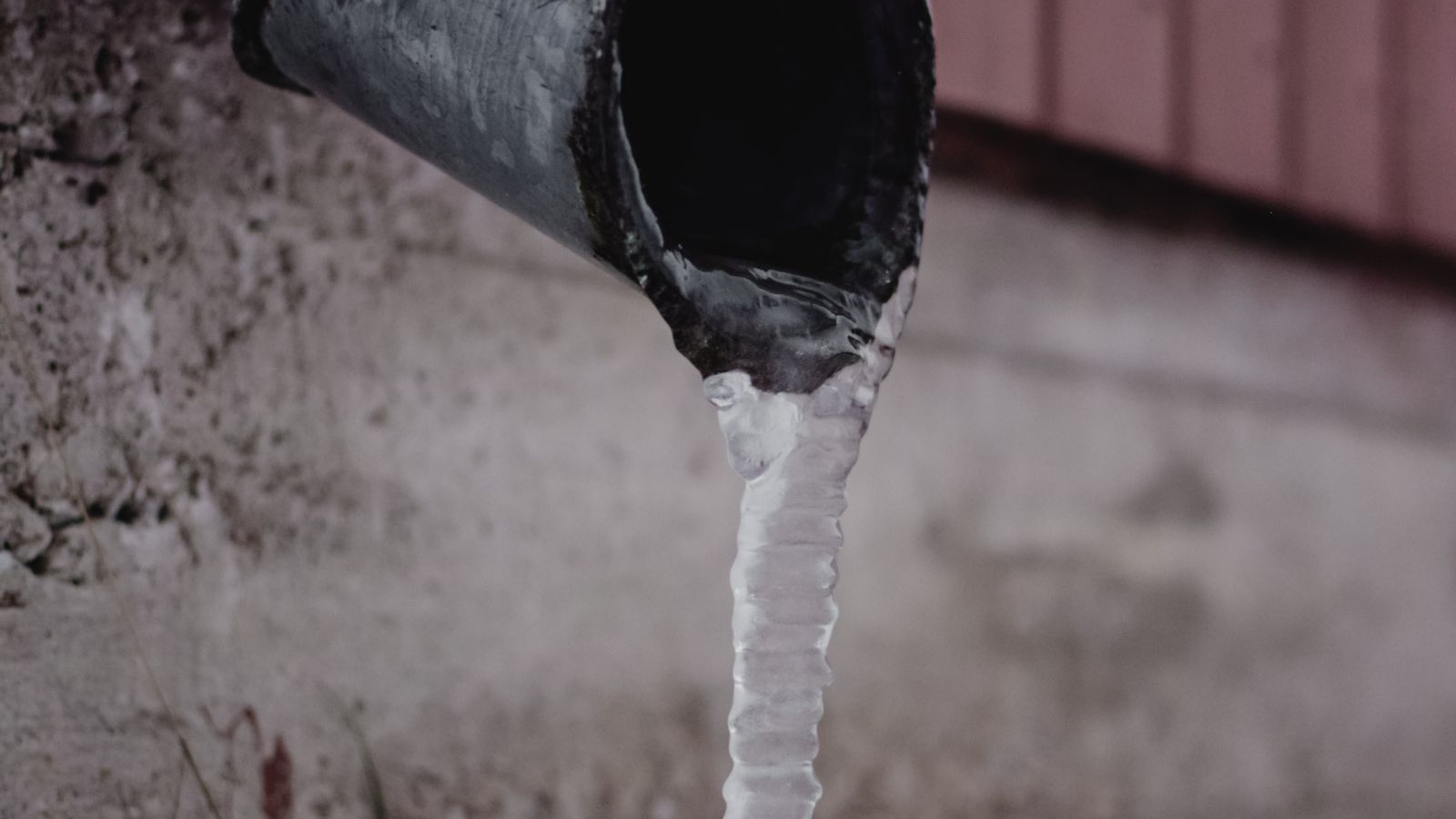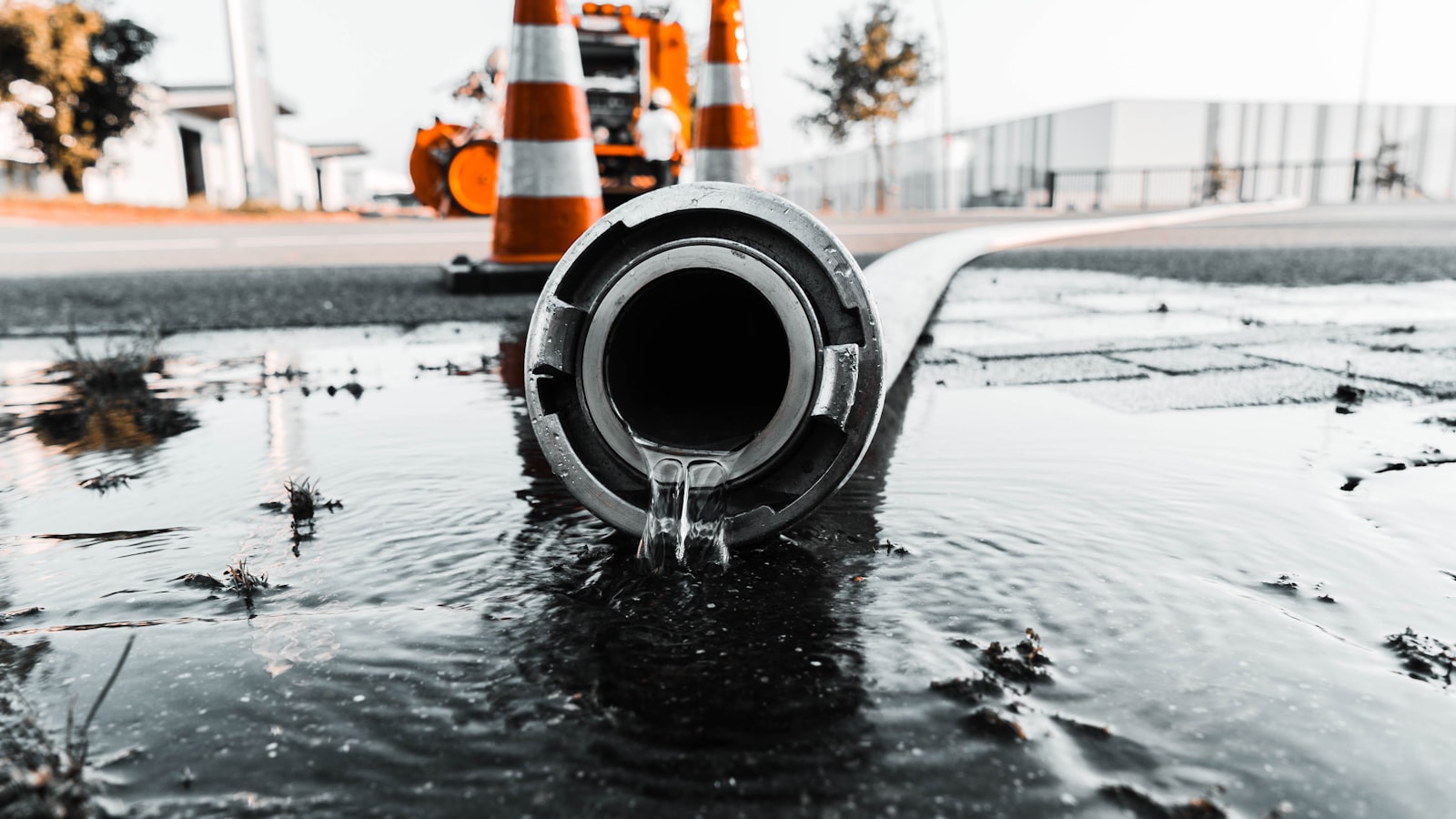
A water loss can go from “small problem” to “major headache” fast. Whether it’s a burst pipe, a washing machine hose that gave out, or storm-driven water finding its way inside, how you respond in the first hour or two can make a real difference in how smoothly your claim goes and how much additional damage you end up dealing with. Here’s a simple game plan.
1. Stop the Source If You Safely Can
If the water is coming from something inside your control, like a supply line, a washing machine connection, or a water heater, shut off the water at the source or at your home’s main shutoff valve. Knowing where that main shutoff is located before you ever need it is one of the most useful things a homeowner can do. If the water is coming from a storm-related roof leak or something you can’t safely access, don’t put yourself at risk trying to fix it in the moment. Safety comes first, always.
2. Protect Yourself and Your Family
If there’s any risk of electrical hazards, standing water near outlets, or structural concerns, get everyone out of the affected area until it’s safe. Water and electricity are a dangerous combination, and it’s not worth the risk to grab a few extra items before you’re sure it’s safe.
3. Document Everything Before You Start Cleaning Up
Once it’s safe, take photos and video of the damage before you move or discard anything. This documentation is genuinely important for your claim. Capture the source of the leak if you can see it, the standing water, and any damaged belongings or flooring. It’s easy to want to jump straight into cleanup mode, but a few extra minutes of documentation now can save a lot of back-and-forth later.
4. Take Reasonable Steps to Prevent Further Damage
Your policy generally expects you to take reasonable steps to prevent additional damage once a loss occurs. That might mean placing towels or buckets, moving furniture out of standing water, or running a fan to start drying things out. You’re not expected to perform a full restoration yourself, just to avoid letting a bad situation get worse through inaction.
5. Call Your Agent
Reach out to your insurance agent as soon as you reasonably can. They can walk you through the claims process, let you know what documentation you’ll need, and help set expectations for what happens next. This is also a good time to ask questions if anything about your coverage is unclear.
6. Understand What’s Covered, and What Isn’t
Homeowners insurance typically covers sudden and accidental water damage, like a pipe that suddenly bursts. What it generally does not cover is flooding, meaning water that enters your home from outside due to rising water, heavy rain runoff, or overflow from a nearby body of water. That kind of damage requires a separate flood insurance policy. Nationally, 22% of homeowners report being at risk of flooding — and among those who recognize the risk, 78% have actually bought a flood policy. It’s a common point of confusion, and one worth understanding before you ever need to file a claim, not during it.
7. Consider a Restoration Professional
For anything beyond a very minor leak, a professional water restoration company can help dry out the structure properly and reduce the risk of mold, which can become its own separate problem if moisture isn’t fully addressed.
Sorted Out Before the Pipe Bursts
Water damage is one of the most common claims Oklahoma homeowners deal with, and having the right coverage in place before it happens makes all the difference. Rondon Insurance Services in Edmond, OK can review your policy and compare quotes across our carriers to make sure you’re protected. Reach out any time — we’re glad to help.