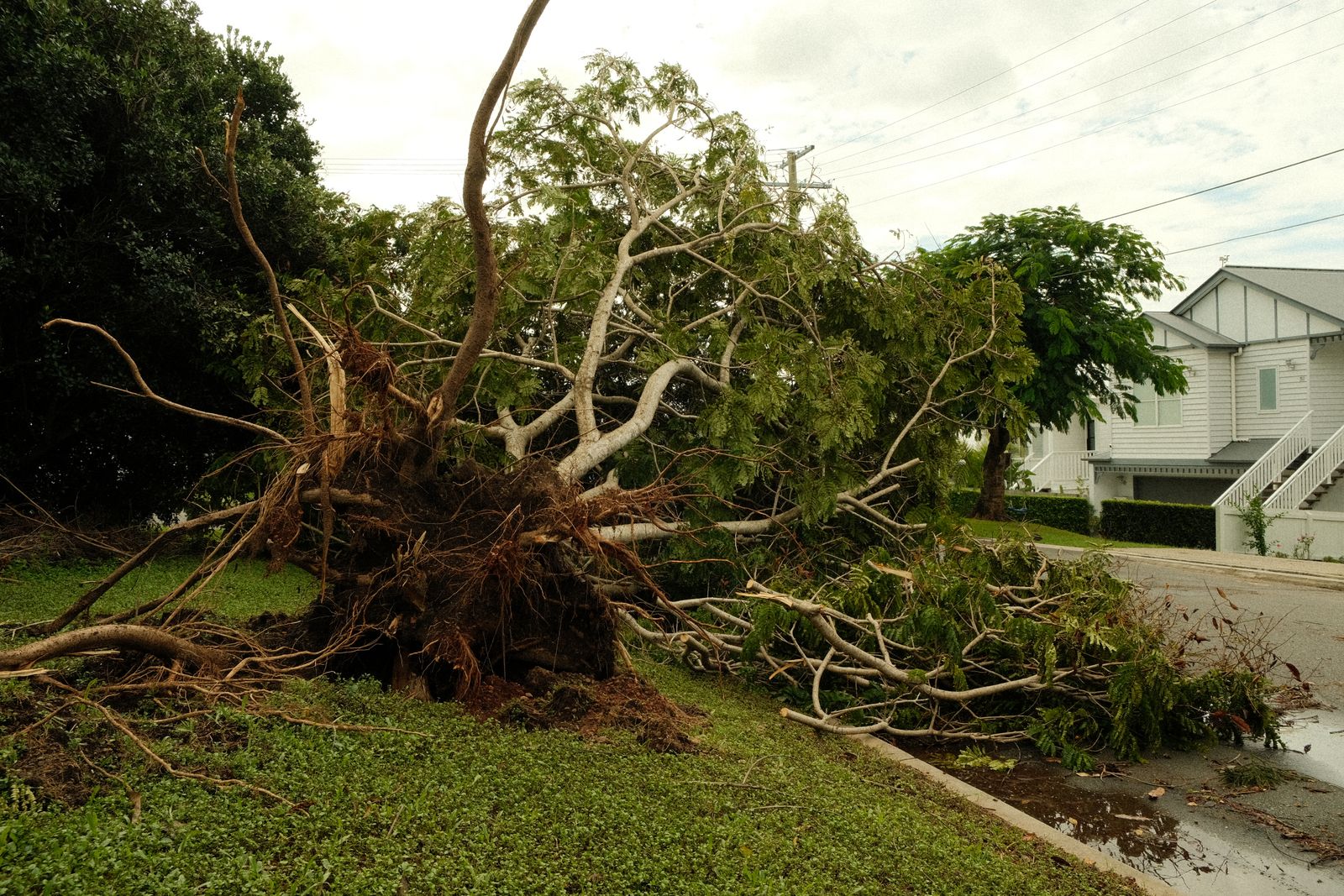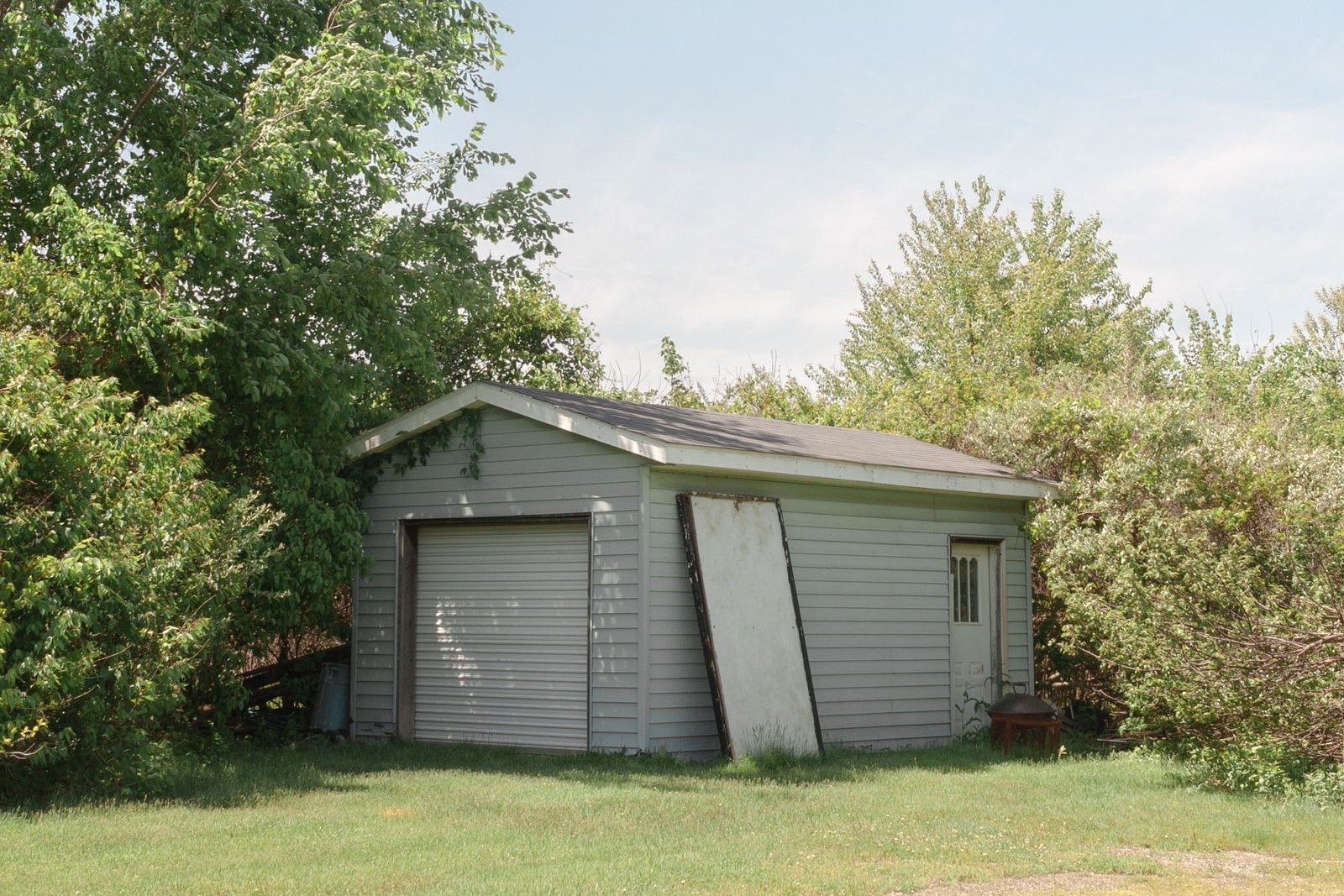
The privacy fence, the metal shed out back, the detached garage, the pergola somebody built over a weekend — most homeowners policies handle all of that under a separate limit from the house itself. It usually sits around 10 percent of the dwelling amount, it has its own line on the declarations page, and in our experience it is the number people are most surprised to learn exists.
Around Edmond and out through Yukon and Piedmont, that line matters more than it would somewhere calmer. Wind takes fences down here the way rain takes down umbrellas.
What Counts as a Detached Structure
The general dividing line is attachment. If it’s connected to the house — an attached garage, a covered patio built into the roofline — it usually falls under the dwelling limit. If it stands on its own, it typically falls under the other-structures limit instead: a separate garage, a storage building, a workshop, a gazebo, a pool enclosure, a fence, sometimes a mailbox or a lamp post.
The Insurance Information Institute puts the customary limit at about 10 percent of the amount of coverage on the house. On a home insured for $350,000, that would be roughly $35,000 across everything not attached to it. Policies vary on this more than people expect, and the percentage can usually be raised — but it’s a ceiling, not a bonus. It doesn’t stack on top of the dwelling amount.
Where Oklahoma Makes This Interesting
Two things about our part of the country change how this plays out.
The first is the wind and hail deductible. Many Oklahoma homeowners policies carry a separate deductible for wind and hail, often written as a percentage of the dwelling amount rather than a flat dollar figure. When straight-line winds lay down eighty feet of cedar fence, the loss is a wind loss, and it generally runs into that deductible — the bigger one, not the everyday one. Fence repair is real money, but it frequently costs less than a percentage deductible on a whole house. That’s the unflattering part of this topic and it’s worth saying plainly: a lot of detached-structure damage in this state never produces a payable claim.
The second is that outbuildings quietly get expensive. A shed becomes a workshop. The detached garage picks up a mini-split and an epoxy floor. The pole barn out toward Arcadia holds a mower, a welder, and a boat trailer. The 10 percent that was generous when the house was insured for $200,000 in 2014 can be thin against what’s actually standing in the backyard now — and the contents inside a detached structure are generally treated differently than the contents inside the house.
The Flood and Earthquake Exception Applies Out Here Too
Whatever a policy says about detached structures, it says under the same list of covered perils as the rest of the form. Flood isn’t on that list, on the house or on the shed — flood coverage is always a separate purchase. Earthquake isn’t either, without a separate endorsement. Neither is gradual rot in a fence post that’s been leaning since 2019, which is wear and tear rather than a sudden loss.
There’s also the question of what the structure is being used for. Structures rented to someone else, or used for a business, are usually handled differently — the guest house someone lists on a rental app, or the shop where a side business runs, don’t automatically travel with the homeowners form.
Read the Line, Then Decide
None of this requires a phone call to figure out. Pull the declarations page, find the line labeled “Other Structures” or “Coverage B,” and compare that number to what’s actually standing behind your house. Then look at the wind and hail deductible sitting a few lines below it. Those two numbers together tell you most of what you want to know, and your policy is the thing that answers the rest.
If it’s been a few years since anyone looked at that page, learn about our home insurance services or call (405) 861-8500 — we’ll pull it up and read it with you, backyard by backyard.
This article is general information about how coverage typically works, not advice about your specific situation. Policy language — not website descriptions — determines coverage, and your policy is the only thing that says what you have.