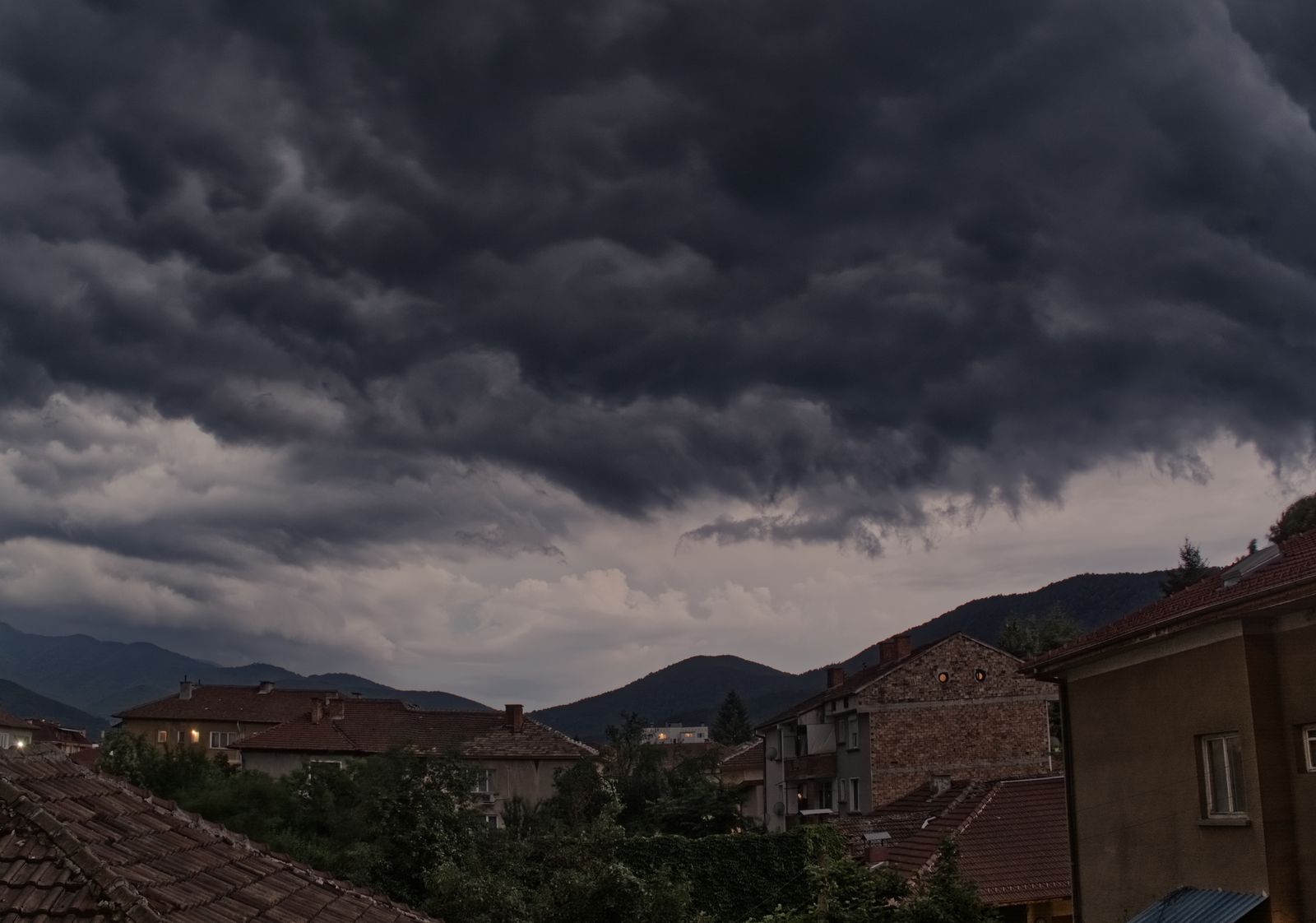
A set of dated roof and attic photos taken on an ordinary September afternoon in Edmond or Moore often answers a fall claim question faster than a memory of “that hail in May.” Oklahoma’s second severe-weather window — generally mid-October into November — tends to land on roofs that already saw spring weather. When two seasons of dents, granule loss, and soft decking sit on the same house, the difference between a clean file and a slow argument is usually paperwork, not folklore.
Around here we ask for photos before the fall window because we have watched too many January adjuster conversations turn into “which storm did what.” That is not a sales pitch. It is a filing habit.
What the fall calendar actually does
Oklahoma Mesonet’s year-end read on 2024 is still the cleanest public reminder: 33 confirmed tornadoes in November alone, inside a 152-tornado year. Most Novembers are quieter. The point is not that every fall will match 2024. The point is that the secondary season exists, and it arrives after roofs have already lived through April and May.
Oklahoma County’s county climate summary puts the average first fall freeze (32°F, 50th percentile, 1991–2020) on November 2. Freeze nights and wind events can share a calendar week. The household that only “gets ready” in April is working with half a year.
What we actually look at in the pictures
We are not grading curb appeal. Useful photos are boring on purpose:
- Wide shots of each roof face, plus close-ups of ridges, valleys, and flashing
- Gutters, downspouts, and the first few feet of siding under the eaves
- The attic deck from inside — soft sheathing and daylight where it does not belong show up better than a driveway selfie
- Fences, detached shops, and the HVAC pad if they are part of the property story
Date stamps matter. So does a second pass after a known hail day. Policies vary on how prior damage is treated more than comparison charts admit. Your policy is the thing that answers what a carrier does with pre-existing wear; photos are how you show what changed.
The unflattering finding
Plenty of metro households have a phone full of kids’ games and zero roof pictures — until the week after a claim opens. That is human. It is also why fall documentation conversations feel awkward. We would rather have the awkward conversation in September on Fretz Avenue than reconstruct a spring storm from memory under a December deadline.
Deductibles still outrank the album
Wind and hail deductibles on many Oklahoma homeowners forms are written as a percentage of dwelling coverage. A photo set does not change that math. It does change whether a fall claim starts from a shared baseline of what the roof looked like in late summer. Read the declarations page for the deductible type and the roof settlement language. Those lines decide more dollars than a ranking of storm seasons.
For the wider fall-weather frame, we already walked the Mesonet record in Oklahoma’s second severe weather season. For settlement mechanics, see roof loss settlements.
Edmond and the metro without forcing the geography
A ranch in Deer Creek, a two-story in Edmond near UCO, and a newer build in Yukon do not share identical roof ages or identical attic access. The photo habit is the same. The underwriting file still cares which shingles are on which house. September is simply when the calendar still has daylight and the fall window has not started yet.
If you want a set of eyes on a homeowners declarations page before the October window — Guthrie, Yukon, Deer Creek, or anywhere in the OKC metro — call (405) 861-8500, or start at home insurance.
This article is general information about how coverage typically works, not advice about your specific situation. Policy language — not website descriptions — determines coverage, and your policy is the only thing that says what you have.