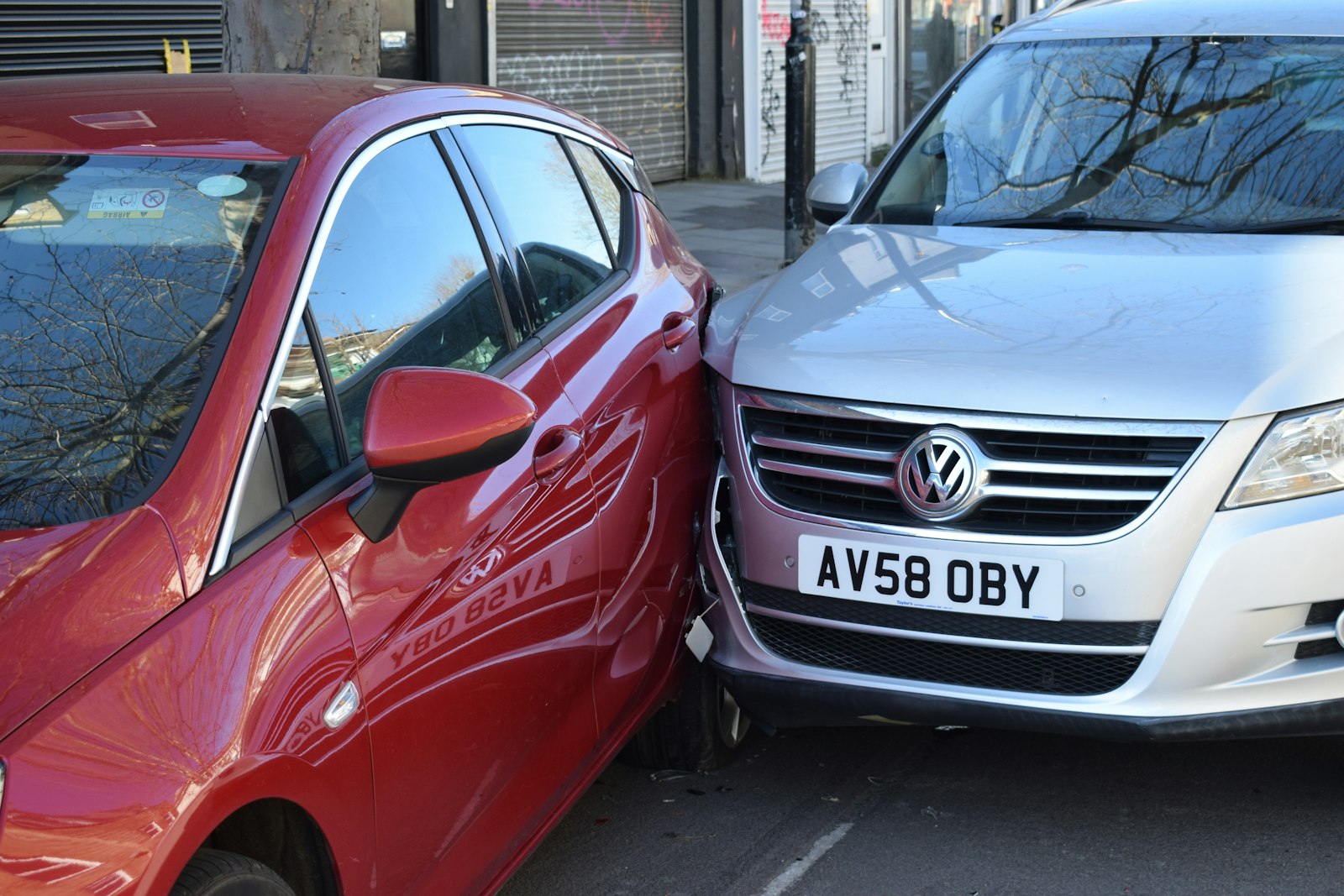
“Not at fault” means the other party is primarily responsible for causing the crash under the liability rules that apply — it does not mean your auto file freezes in amber. In Oklahoma, drivers still meet rental-car questions, medical-payments or PIP-adjacent choices depending on the form, possible use of their own collision coverage while subrogation plays out, and underwriting curiosity at renewal. The phrase on the police narrative is a starting point, not a claim manual.
Around Edmond and the OKC metro we hear the same surprise: people who did everything “right” at the scene still spend a week on rental authorizations and repair shop updates. That friction is normal. It is also why reading the declarations page before a crash beats learning it in a claims app.
Liability vs. your own coverages
Liability coverage on an auto policy is primarily about damage and injury you are responsible for causing to others. When another driver is at fault, their liability coverage is the first place many repairs seek payment. Your own collision coverage, if you carry it, is sometimes used to move repairs faster while carriers sort subrogation — with your deductible mechanics depending on the form and the facts.
Medical payments or similar first-party medical coverages, when present, are a different lane from liability. So is rental reimbursement. Mixing those lanes in conversation is how people leave a shop thinking “insurance is paying” without knowing which insurance.
Where uninsured and underinsured motorist coverage enters
Oklahoma’s uninsured and underinsured motorist conversations sit next to not-at-fault stories more often than people like. If the at-fault driver carries only the state minimum — 25/50/25 — a serious injury claim can exhaust those limits quickly. We have written separately about why the minimum is a floor and about uninsured motorist coverage in Oklahoma. The unflattering finding: a clean not-at-fault label does not fund a hospital bill the other policy cannot pay.
What underwriters still see
Claims histories record events. How a particular carrier weighs a not-at-fault loss at renewal varies. Some are quieter than others about pure not-at-fault property damage. None of them owe you a dinner-table explanation that “not at fault means invisible.” If someone sells that certainty, they are selling comfort, not underwriting.
Practical sequence without the lecture
After a metro crash — I-35, Kilpatrick, a parking lot in Quail Springs — the useful order is usually safety, documentation, notification to the insurers involved, and a clear decision about whether repairs run through the other carrier’s liability or through your own collision first. Rental coverage only helps if it is on the form and the claim is being handled in a way that triggers it.
Your policy is the thing that answers which of those doors open for your vehicle. The other driver’s policy is a separate contract you do not control.
Call (405) 861-8500 if you want to walk an auto declarations page before the next commute — or see auto insurance for how we approach the conversation.
Edmond and OKC metro specifics without the folklore
Parking-lot taps at Quail Springs, merge bumps on I-35, and neighborhood collisions near UCO produce the same coverage questions as a highway claim — just with less drama at the scene. Photos still matter. The other driver’s information still matters. Which of your own coverages you lean on first still depends on the form you bought, not on how clearly the other person apologized.
If rental reimbursement is on the policy, ask how the carrier wants the rental opened before you sign a week of charges at the airport counter. If it is not on the policy, the “not at fault” label does not invent it.
This article is general information about how coverage typically works, not advice about your specific situation. Policy language — not website descriptions — determines coverage, and your policy is the only thing that says what you have.