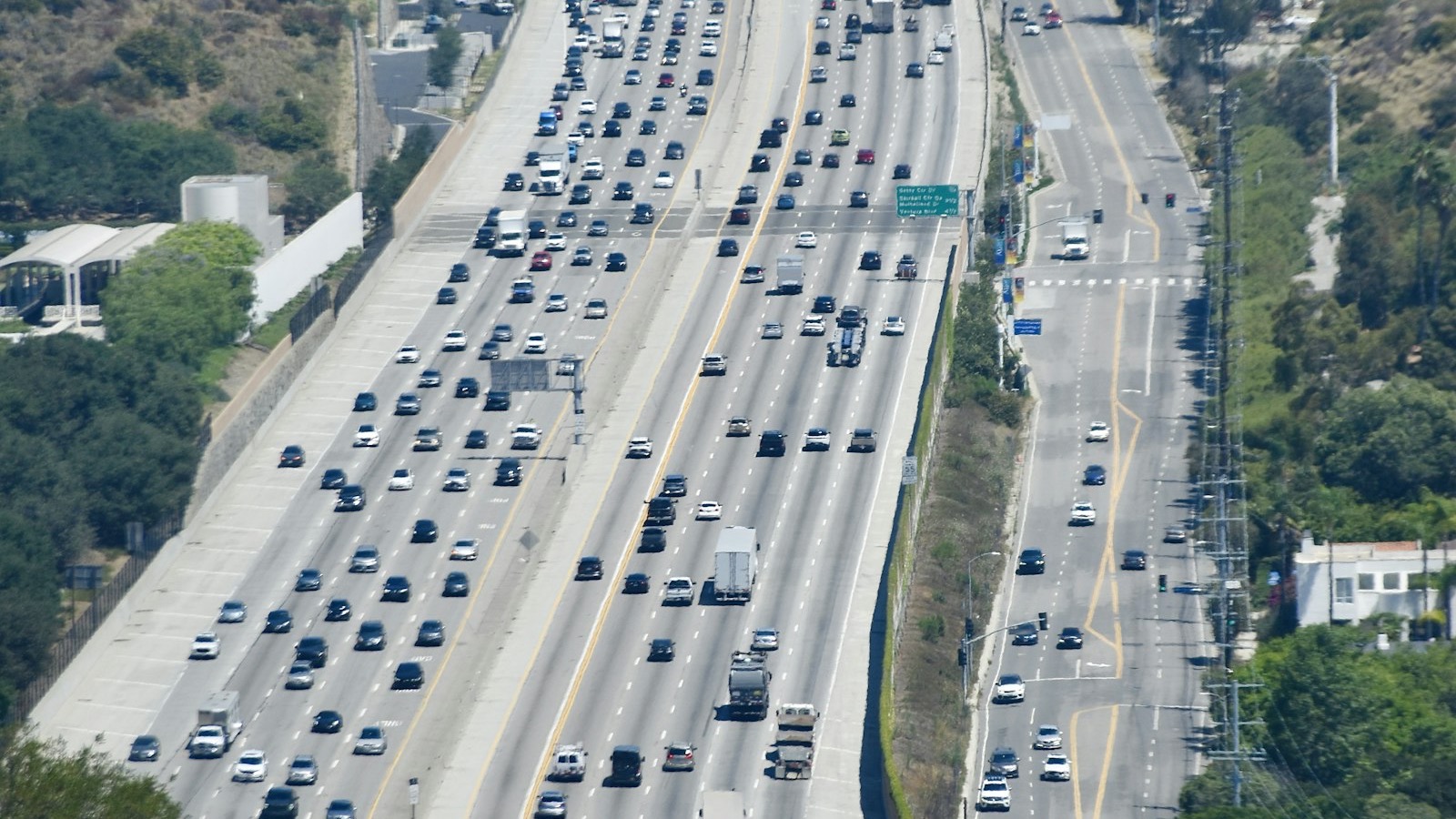
The claim that Oklahoma leads the nation in uninsured drivers gets repeated constantly — in ad copy, in news segments, and in insurance marketing including, historically, ours. The most recent widely published figures do not support it. In the Insurance Research Council’s 2022 estimate, carried by the Insurance Information Institute, 11.8% of Oklahoma motorists were uninsured. That is below the national figure of 14.0%, and it places Oklahoma 28th among the fifty states and the District of Columbia. The highest were D.C. at 25.2% and New Mexico at 24.9%.
Why two different numbers are both “true”
This is worth being careful about rather than smug about. The Oklahoma Insurance Department’s own uninsured motorist page still describes the state’s percentage of uninsured motorists as among the highest in the nation. Older studies and other methodologies have put Oklahoma well up the list. Those statements exist in public, from a credible source, and we are not in a position to declare them retired.
What we can say is how the IRC arrives at its number, because the method explains a lot. The IRC does not count uninsured drivers directly. It estimates the rate from the ratio of uninsured-motorist claims to bodily-injury claims — a proxy built from claim activity, not a headcount of registrations. Different studies use different proxies and different years, and the results move accordingly. Oklahoma’s figure in that dataset has been below the national average recently. A study built another way, or from an earlier period, can land somewhere else.
So the honest version is not “Oklahoma is fine.” It is: the specific dramatic ranking that gets quoted is shakier than the confidence it usually gets quoted with.
Why an agency should say that out loud
A frightening statistic is a useful sales tool. “Worst in the country” moves people toward coverage in a way that “roughly average, twenty-eighth” does not, and agencies — again, ours included — have leaned on it. We would rather the reasoning for a coverage hold up without it, because a reason that depends on a shaky number is a reason that falls apart when somebody checks.
The reason holds up fine. Roughly one driver in eight nationally has no insurance at all, and that estimate says nothing about the much larger group carrying the state minimum. Oklahoma law requires liability limits of 25/50/25. A driver carrying exactly that has $25,000 available for one person’s injuries. A serious wreck on the Kilpatrick Turnpike can pass that figure before anyone leaves the hospital.
What UM and UIM actually do
Uninsured motorist coverage responds when the at-fault driver has no insurance, and also in a hit-and-run where the driver is never identified. Underinsured motorist coverage addresses the more common situation: the at-fault driver had a policy, and its limits ran out before the injuries were paid for.
Two mechanics are worth knowing. First, UM/UIM in Oklahoma is generally aimed at bodily injury and loss of life for the policyholder and passengers, not at repairing the car. Vehicle damage caused by an uninsured driver is usually a collision-coverage question instead. The state does permit carriers to offer uninsured motorist property damage, but the Insurance Department notes it is not widely available.
Second, the coverage is not mandatory here, but insurers are required to offer it. Declining it takes a signed rejection form, and until that form comes back, the minimum UM limits are typically charged. Which means a fair number of Oklahoma drivers have this coverage without knowing it, and others believe they have it because they meant to.
Limits available generally start at 25/50 and run up to the limits of the policy. Most folks around Edmond and Yukon carry more than the floor. What any particular policy has on it is a question with exactly one source of truth, and it is not this page — your policy is the thing that answers it.
If it has been a while since anyone read your declarations page out loud, our auto insurance page explains how we go through it, or call (405) 861-8500 and we’ll look at what’s actually on there.
This article is general information about how coverage typically works, not advice about your specific situation. Policy language — not website descriptions — determines coverage, and your policy is the only thing that says what you have.