Short answer: a standard homeowners policy is usually built around the house, your belongings, and your liability — not a small flock. The birds themselves are often excluded as animals. The coop may fall under other structures or personal property depending on how it’s built. Liability if a hen scratches a neighbor or someone gets sick from eggs you sell is a different conversation entirely. City rules in Edmond and Oklahoma City add another layer before the policy ever opens.
Around the metro, backyard hens went from “ask the HOA” to an ordinance topic. Oklahoma City’s council approved urban chickens and quail in 2022 — up to six total, no roosters, with coop setbacks and dusk-to-dawn confinement. Edmond runs a permit program with its own minimums, sanitation rules, and lot-size caps. Covenants can still say no even when the city says yes.
What the cities actually allow
Oklahoma City’s ordinance (effective March 4, 2022) allows residents to raise up to six chickens or quail, bans roosters, and sets coop and run space rules plus distance from property lines and neighboring dwellings. No city permit is required; enforcement is complaint-based. Neighborhood covenants can still prohibit them.
Edmond’s chicken program requires a permit for qualifying single-family lots, allows hens only, requires at least two hens, bans slaughter, and sets coop/run schedules and daily cleaning rules. Lots under a certain size share a yearly permit cap. The city’s materials also note that a city permit does not override a restrictive covenant.
Those are municipal rules, not insurance rules. We’re stating what the ordinances say and stopping there. The insurance conversation starts after you know whether you’re even allowed to keep the flock.
The birds: usually not “personal property”
Many homeowners forms list animals and birds among the types of personal property that are not insured. Sample Oklahoma filings published by the Insurance Department include language that does not insure animals or creatures, including birds. That means a hawk taking a hen, or a heat wave loss in the coop, often has no Coverage C path the way a stolen bicycle would.
That is the unflattering finding for anyone who budgeted the flock as “stuff the homeowners policy will replace.” The birds are usually the owner’s risk.
The coop and the run
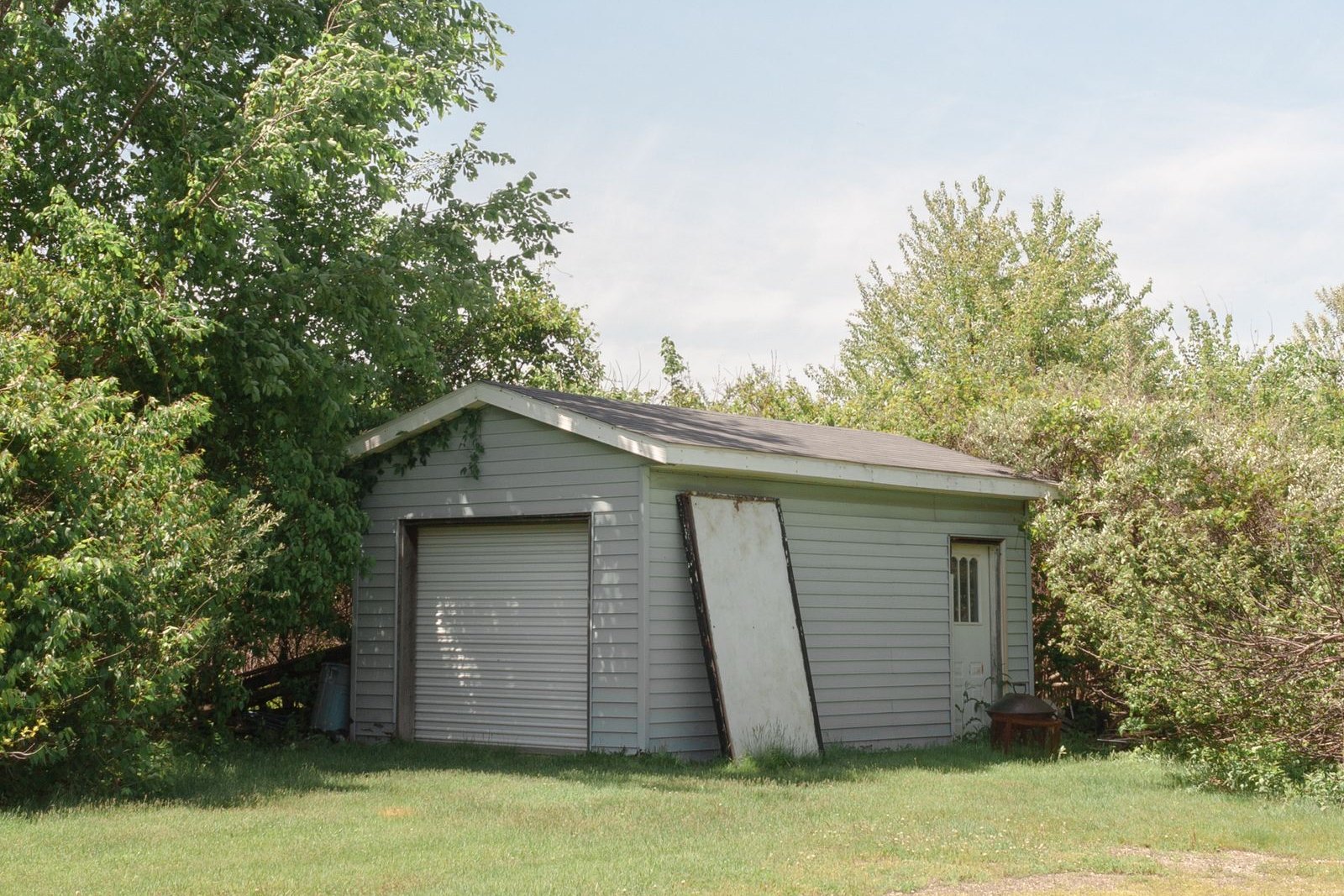
A freestanding coop is often treated as an other structure (Coverage B) or as personal property, depending on how permanent it is and how the form is written. We covered the other-structures conversation more broadly in other structures coverage in Oklahoma. Predator damage, storm damage, and a fallen limb through a run get sorted by the peril language and the deductible — including any separate wind/hail deductible common around here.
If the coop is wired for heat lamps, that also raises ordinary fire and electrical questions that are worth reading on the declarations page, not assuming.
Liability: a different page of the policy
Section II liability is where injury and property-damage claims involving animals usually live. A neighbor scratched redirecting a loose hen, a dog fight at the fence line, or a child visiting the coop are the kinds of stories that get people looking at that page. Policies vary on animal liability more than people expect, and some carriers ask about animals at underwriting. Your policy is the thing that answers whether a specific incident is handled there.
Selling eggs, advertising farm tours, or anything that looks like a business activity typically sits outside a standard homeowners policy. That is the same use-test we talk about with tractors on acreage and horses: hobby on your own land is one picture; income and customers are another.
Before the chicks arrive
Check the ordinance or permit rules for your city, then the HOA covenants, then the declarations page and animal questions on the application. A quiet conversation before the flock is cheaper than one after a claim or a complaint.
If you’re in Edmond, Oklahoma City, or the surrounding metro and want someone to walk through how your homeowners policy treats animals, other structures, and liability, call (405) 861-8500 or start with our home insurance page — or request a quote.
This article is general information about how coverage typically works, not advice about your specific situation. Policy language — not website descriptions — determines coverage, and your policy is the only thing that says what you have.