A homeowners policy on a house with a couple of horses out back may or may not handle the horses the way people assume. Many policies treat horses differently from a dog or a cat: some limit or exclude liability for animals like horses, some handle it through an endorsement, and many become narrower the moment money changes hands — boarding a neighbor’s horse, giving lessons, or charging for rides. The house is usually the easy part. The horses, the barn, and the fence line are where the questions are.
We hear this most from folks on acreage north and east of Edmond, out toward Arcadia, Luther, and Guthrie, where five or ten acres and a couple of horses is a normal Saturday. Our post on whether homeowners covers your tractor drew a lot of readers from the same crowd, so this is the next question on the list.
Liability: the part that matters most
The big risk with horses usually isn’t the horse getting hurt. It’s a person getting hurt — a neighbor’s kid who climbs the fence, a friend who takes a ride and gets thrown, a horse that gets out and ends up on Hiwassee Road in front of a car.
Homeowners liability is often where people expect that to land. Policies vary widely here. Some homeowners forms extend personal liability to horses kept for personal use; others limit animal liability or exclude certain animals, and some carriers handle horses through an equine or farm liability endorsement. There’s no single Oklahoma answer, which is exactly why this one deserves a slow read of the actual form.
When a hobby starts to look like a business
Most homeowners policies are written for personal use and carry exclusions or limits for business pursuits. With horses, the line can get crossed quietly:
- Boarding a friend’s horse for a monthly fee
- Giving riding lessons, even informally
- Charging for trail rides or birthday-party pony rides
- Breeding and selling foals
Any of those can move the activity from “personal” toward “business” in the policy’s eyes. Some carriers address that with endorsements, and some activities need a separate commercial or equine policy. Policies vary on where the line sits, and your policy is the thing that answers whether a specific activity is inside it.
What Oklahoma’s livestock statute does — and doesn’t — do
Oklahoma has a law called the Oklahoma Livestock Activities Liability Limitation Act (76 O.S. §§ 50.1–50.4). It defines livestock to include equines, and its definition of “livestock activities” includes riding, training, shows, and boarding or pasturing livestock. The act limits civil liability for injuries that result from the inherent risks of livestock activities when the people involved act in good faith and according to industry standards.
That’s what the statute says, and we’ll stop there — how it applies to any particular injury is a question for an attorney, not an insurance agency. What we can say is the unflattering part: a liability-limitation statute is not an insurance policy. It doesn’t pay defense costs, and it doesn’t stop someone from filing a claim. Folks who post the familiar warning sign on the barn sometimes treat it as coverage. It isn’t.
Barns, fences, and tack
The structures and gear are a separate conversation from liability:
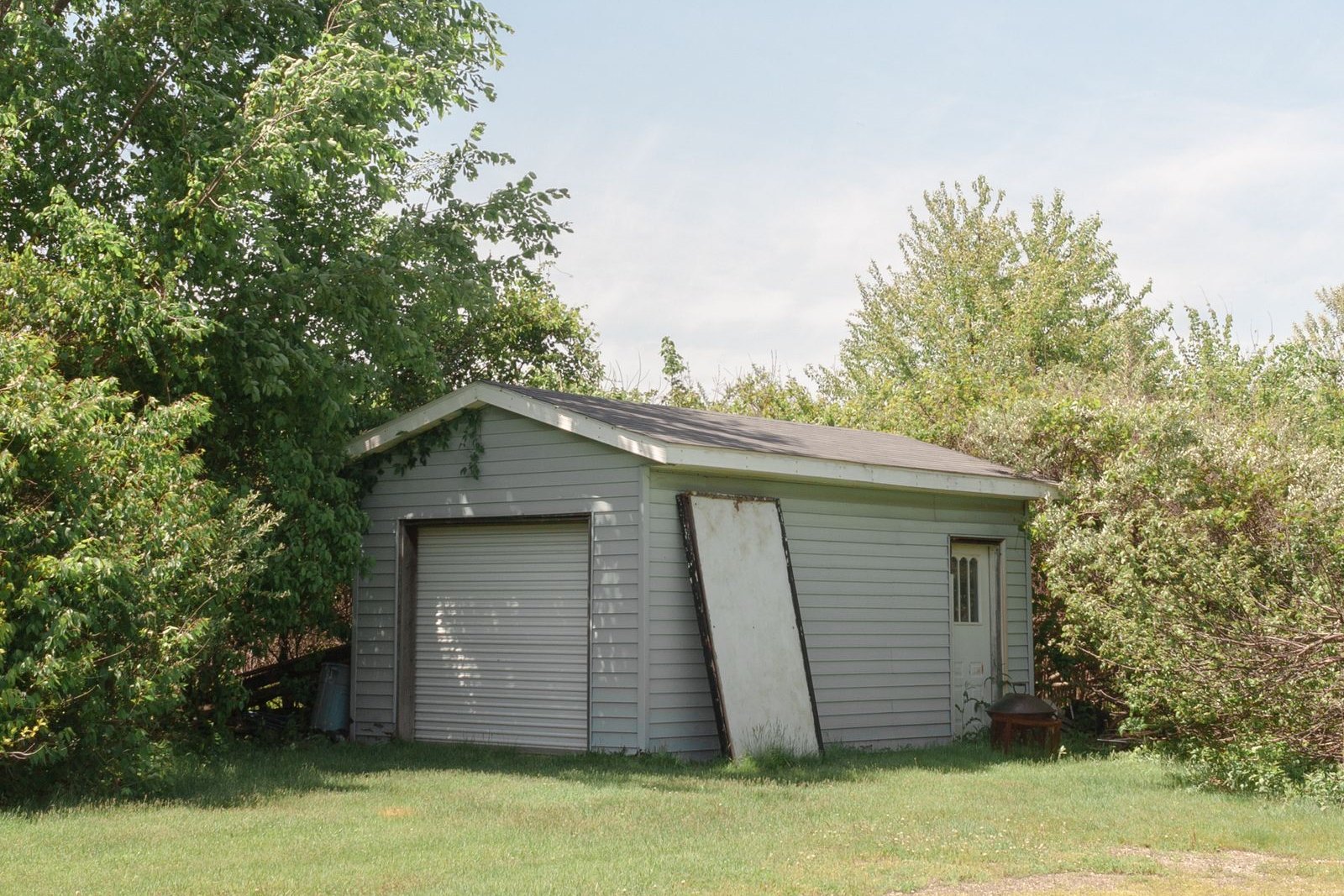
- Barns, run-in sheds, and arenas usually fall under a homeowners policy’s other-structures coverage, which is often a percentage of the dwelling limit. A large barn can outgrow that number. We walked through how that works in other structures coverage.
- Fencing is commonly treated as an other structure too, and a few hundred feet of pipe fence after a straight-line wind event adds up.
- Saddles, tack, and trailers may be handled as personal property, scheduled separately, or not at all, depending on the policy and how they’re used. Horse trailers are often their own question on the auto side.
- The horses themselves are usually not property a homeowners policy is built to insure. Equine mortality coverage is a specialty line.
Where an umbrella fits
For households with real liability exposure — acreage, horses, a pond, visitors — some families look at a personal umbrella on top of home and auto. Umbrellas typically follow the underlying policies, so if the homeowners policy excludes the horse exposure, the umbrella may not fill that gap. It’s worth checking both together rather than one at a time.
If you keep horses on acreage around Logan County or north Oklahoma County and want to walk through what your homeowners policy actually says about them, call (405) 861-8500 or start with our home insurance page.
This article is general information about how coverage typically works, not advice about your specific situation. Policy language — not website descriptions — determines coverage, and your policy is the only thing that says what you have.