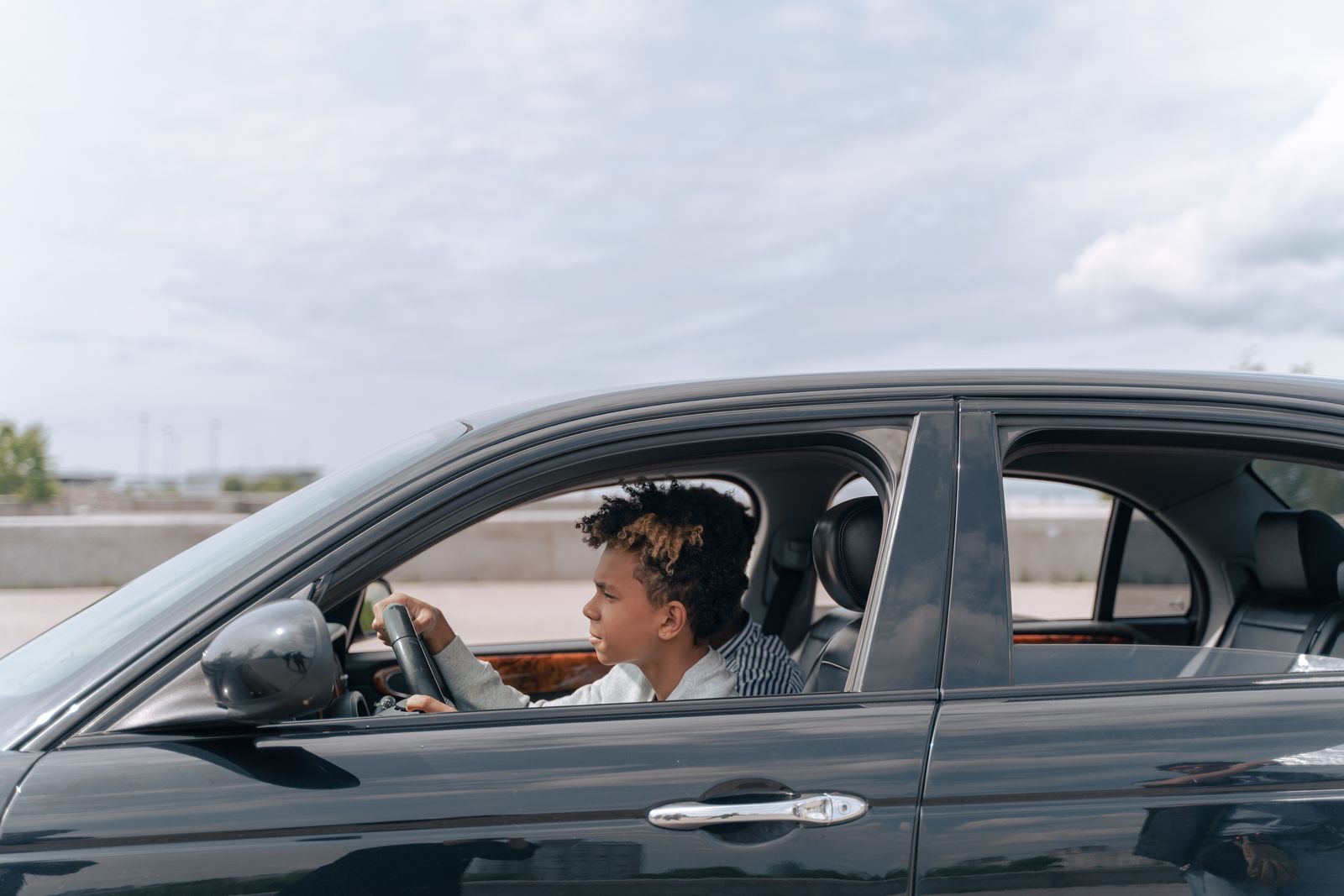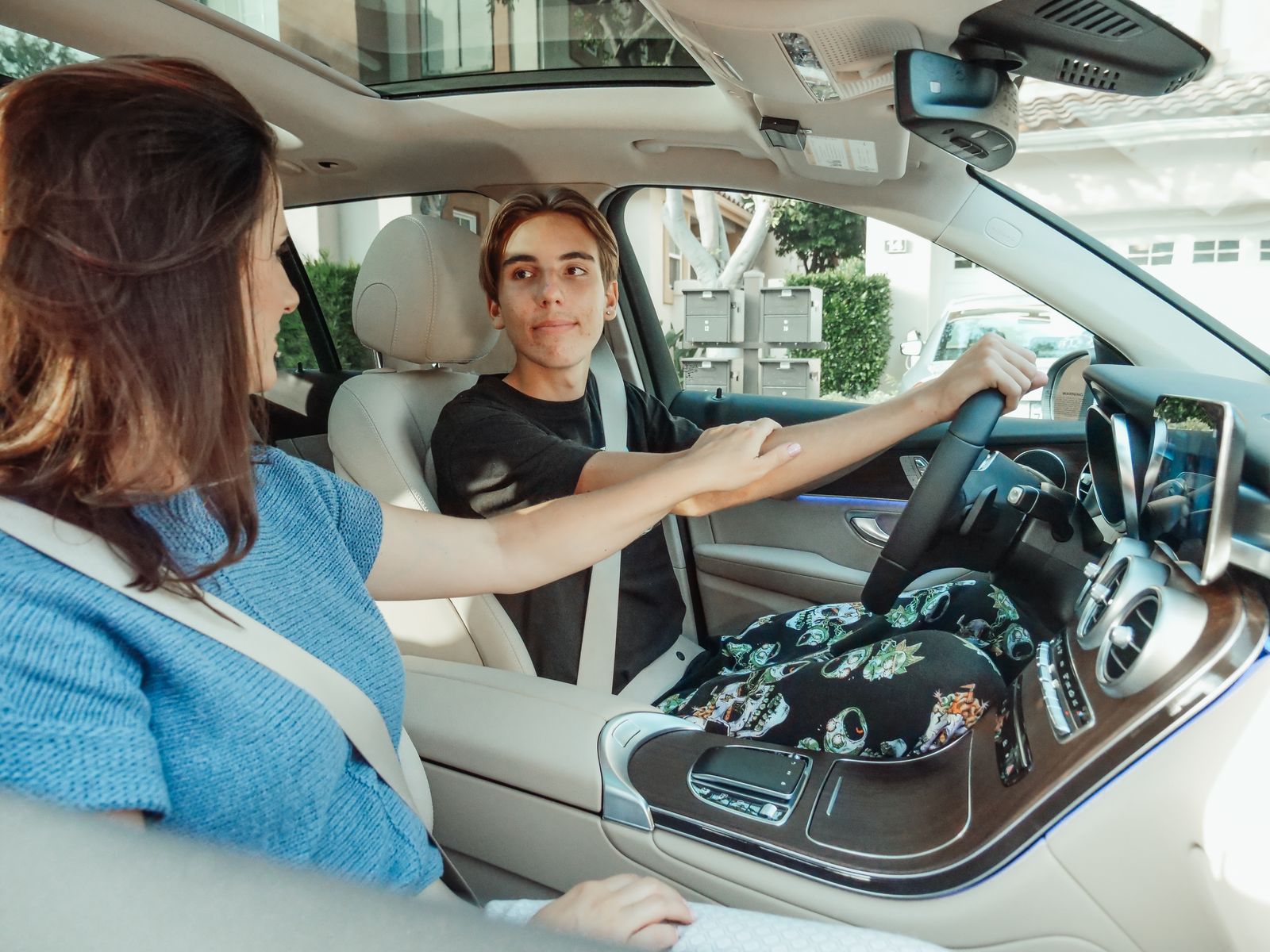
When a teenager borrows a friend’s car with permission and causes a wreck, the car owner’s auto policy usually pays first in Oklahoma. Insurance generally follows the car. If the damage or injuries go past the owner’s limits, the teen’s own household policy may step in as excess coverage, as long as the teen is listed on it and the policy extends to non-owned cars. Your policy is the thing that answers whether that second layer is there.
It’s one of the most common questions we get from Edmond parents in the fall, when football, band, and homecoming have teens riding in each other’s cars every weekend.
The order things usually get paid
Think of it as two layers.
First layer: the car’s policy. The owner’s liability coverage generally pays for injuries and property damage the driver causes to other people, as long as the driver had permission. The owner’s collision coverage, if they carry it, is usually what repairs the borrowed car itself, minus their deductible.
Second layer: the driver’s policy. Many personal auto policies extend liability to listed drivers while they’re driving a car they don’t own. That coverage usually sits on top of the owner’s limits rather than replacing them. So if the owner carries Oklahoma’s minimum 25/50/25 and a wreck on Memorial Road injures two people badly, the teen’s household policy might be what pays after the owner’s $50,000 per-accident limit is used up.
Whether the driver’s policy pays for damage to the borrowed car itself is a separate question. Policies handle that more differently than people expect.
Where it gets complicated
A few situations change the picture:
- No permission. If the teen took the car without the owner’s OK, the owner’s policy may deny coverage for that driver. Then the teen’s own policy, if any, becomes the main question.
- Regular use. Borrowing a friend’s car for one trip to the Arcadia pumpkin patch is different from driving a grandparent’s spare truck to school every day. Many policies exclude cars that are “furnished or available for regular use” by the driver unless that car is on the policy. If a teen regularly drives a car you don’t own, that’s worth a call.
- Excluded drivers. Some families exclude a teen from a policy to keep the premium down. An excluded driver may have no coverage on that policy at all, including in a borrowed car.
- The owner is uninsured. Oklahoma has a lot of uninsured drivers. If the car’s owner has no policy, the driver’s own coverage and the other party’s uninsured motorist coverage become the main sources of payment.
Here’s the unflattering part: even when the owner’s policy pays, the claim can show up on the owner’s record and affect their renewal. Families sometimes settle with each other quietly to protect a friend’s rates, and that can create a bigger problem if injuries surface later. It’s better to report the wreck and let the policies sort out the order.
What to check at home
Three questions are worth answering before the next Friday night:
- Is your teen listed on your auto policy, not just living in the house?
- Does your policy extend liability to listed drivers in cars they don’t own?
- Are your liability limits above the state minimum? Most folks carry more than the minimum, because the minimum was set as a legal floor, not as real protection. We covered that in is Oklahoma minimum coverage enough.
If you’re adding a new driver, our teen driver guide walks through that step, and this post covers what tends to move a teen’s premium.
The policy decides
Every detail above depends on the language in two policies: the owner’s and yours. Your policy is the thing that answers this, and the declarations page is the place to start.
If you’ve got a new driver in the house and want to know how your current policy handles borrowed cars, call (405) 861-8500 or request an auto quote. You can also start on our auto insurance page. We’ll look at how your teen actually gets around, not just the car in the driveway.
This article is general information about how coverage typically works, not advice about your specific situation. Policy language — not website descriptions — determines coverage, and your policy is the only thing that says what you have.