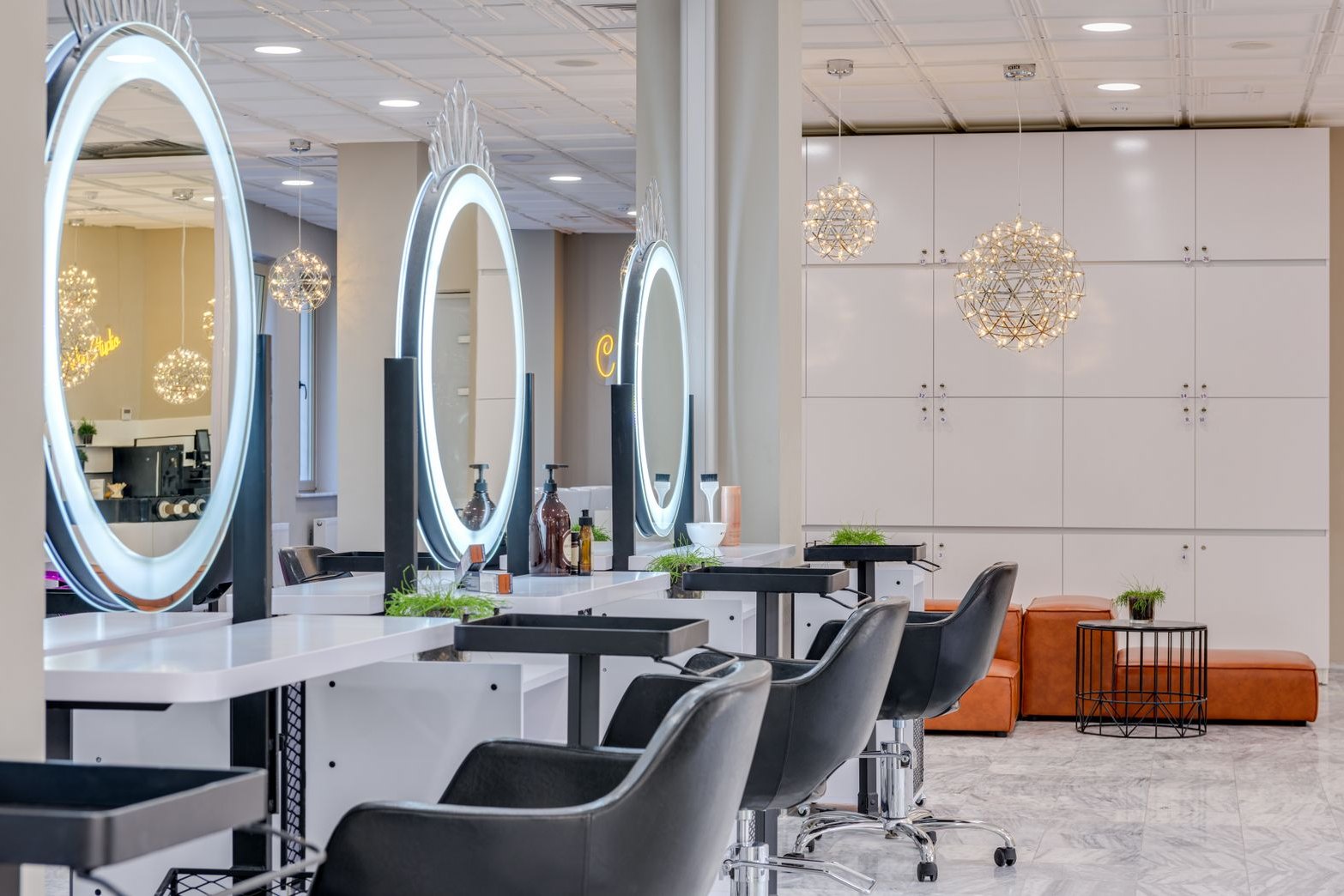
Oklahoma will license your salon and never once ask whether it’s insured. The establishment license from the State Board of Cosmetology and Barbering requires an application, the fee, a notarized affidavit reflecting compliance with the establishment requirements, and an inspection. Nothing in that list is a certificate of insurance. That’s a real difference from a trade like roofing, where the state sets a liability floor before you can legally take the work.
So the pressure comes from somewhere else — the lease, the booth-rental agreement, and the nature of the services on the menu.
The One Place the State Does Ask
There’s a single exception worth knowing, and it catches salons that have expanded. Across the Board’s full rule book, the only license that requires documented liability insurance is massage therapy — applicants have to provide documentation that they currently maintain liability insurance for practice as a massage therapist, and again at renewal.
If a salon in Edmond adds a massage room, the person in that room is the only licensee in the building the state asks this question of. Everyone else’s coverage is a business decision.
What the Stack Usually Looks Like
General liability is the foundation — the slip on a wet floor, the client’s coat ruined by a color spill, the delivery driver who trips at the door.
Professional liability, sometimes written as malpractice or as an endorsement to the general liability, is the one specific to the work itself. Chemical burns, a relaxer reaction, a lash adhesive injury, a nail service that goes wrong. General liability and professional liability are not the same thing, and the difference between them is usually the difference between a claim being addressed and a claim being an argument.
Business personal property covers the equipment and inventory — stations, chairs, dryers, shampoo bowls, color stock. That last one adds up faster than owners guess, especially in a shop carrying retail product.
Business interruption matters more in this trade than most, because a salon that can’t open isn’t just losing today’s tickets. Stylists with a book of clients leave for a shop that’s open, and they don’t always come back.
Workers’ compensation is the question that depends entirely on how the shop is structured, which brings us to the part that causes the most confusion.
Booth Renters Are the Hard Part
A commission shop with employees and a booth-rental shop with independent operators look identical from the sidewalk and are structured very differently underneath.
Booth renters are typically independent, which generally means the shop’s policy is not written to respond to their work, and their coverage is theirs to carry. Whether that’s actually true in a given shop depends on the rental agreement, how the relationship is documented, and how a carrier and a court would characterize it — not on what the sign out front says.
The practical version: a shop owner who assumes the booth renters are covered by the shop, and booth renters who assume they’re covered by the shop, can produce a room full of people who all believe someone else handled it. We see this one. It’s worth reading the rental agreement and the policy side by side, and if a stylist is mobile — house calls, weddings, work out of a vehicle — that’s a separate conversation about commercial auto and where the equipment is covered when it leaves the building.
The Honest Note
This isn’t a hard class to place, which is exactly why it gets bought carelessly. Salon and barbershop coverage is widely available and generally affordable, so it tends to get purchased once online, filed, and never looked at again — right through an expansion into lashes, a second chair, a massage room, or a move to a bigger space on Broadway.
The policy is the thing that answers what it does. Not the agent, not the landlord’s requirements list, and not this article.
If you’re running a shop in Edmond, Yukon, or anywhere across the metro and want a second set of eyes on what you’re carrying, learn about our business insurance services or call (405) 861-8500. Brandon handles commercial accounts personally.
This article is general information about how coverage typically works, not advice about your specific situation. Policy language — not website descriptions — determines coverage, and your policy is the only thing that says what you have.