If you’re building a personal training business in Edmond or anywhere in the OKC metro, you’ve probably thought a lot about programming, client results, and maybe a website. Insurance might not be the fun part, but it’s the part that keeps one bad session from turning into a financial disaster. Here’s what to think about.
Why Personal Trainers Need Their Own Coverage
A lot of new trainers assume that if they work out of a gym, the gym’s insurance has them covered. That’s usually not true. Most commercial gyms require independent trainers to carry their own liability policy before they’ll even let you work the floor or bring in outside clients. And if you’re training clients in their homes, at a park, or over video calls, you’re even further outside any gym’s coverage.
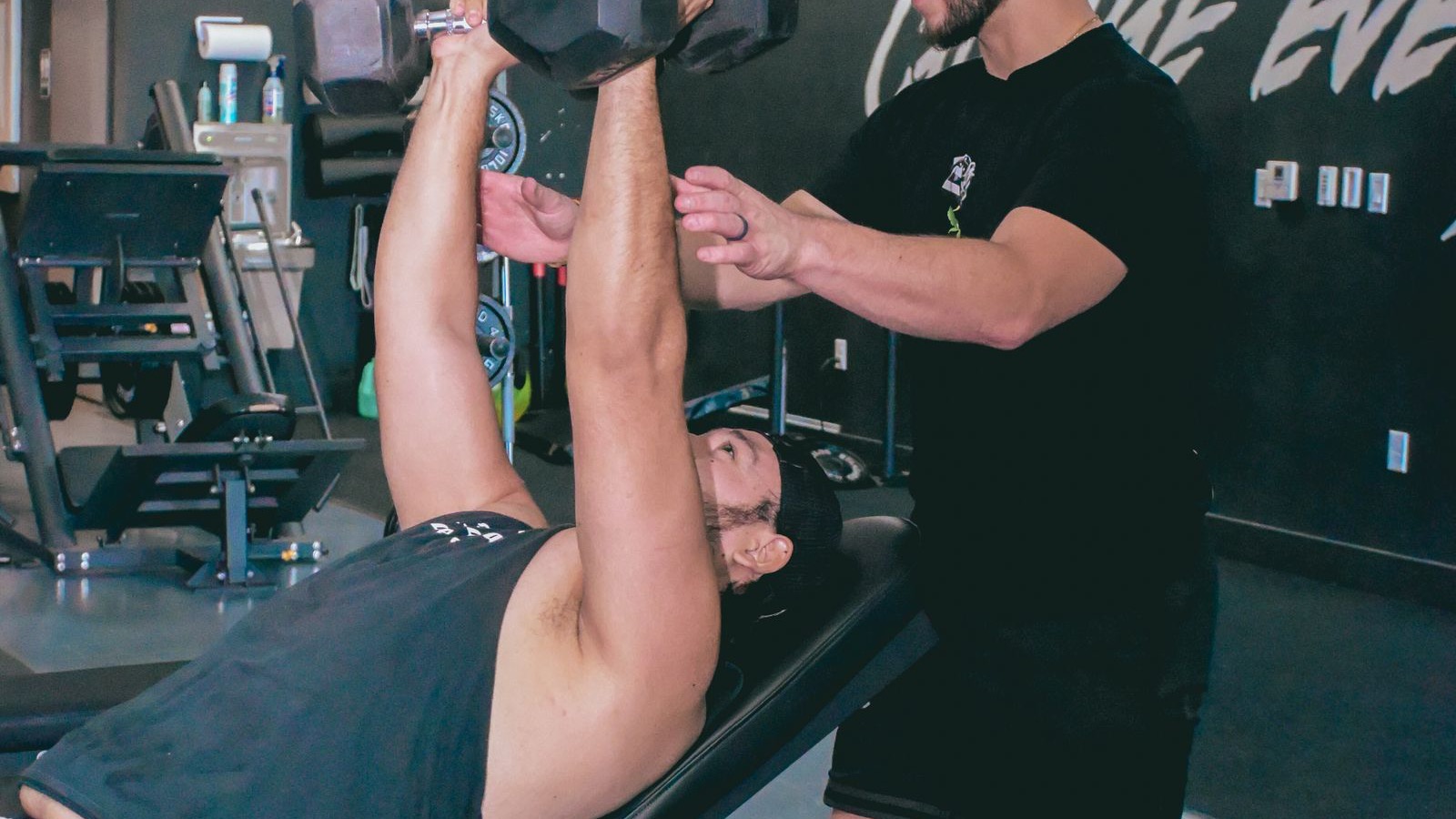
Personal training involves real physical risk. Someone tweaks a knee on a box jump, drops a dumbbell on their foot, or has a medical event mid-session. Even when you did everything right, a client or their attorney may see it differently. That’s where the right insurance steps in.
General Liability Insurance
General liability is the foundation. It covers bodily injury and property damage claims, think a client getting hurt during a session, or you knocking over and breaking something expensive in a client’s home. Most gyms that host independent trainers will ask to see proof of this coverage, often with specific limits, before they’ll let you operate on their premises.
Professional Liability (Errors and Omissions)
This one covers claims related to your advice and programming rather than a physical accident. If a client claims they were injured because you designed an inappropriate program for their fitness level or health condition, professional liability (sometimes called errors and omissions coverage) is what responds. For trainers who work with clients recovering from injury, older adults, or anyone with underlying health conditions, this coverage is worth serious consideration.
Equipment Coverage
If you own kettlebells, resistance bands, a portable rack, TRX straps, or any other gear you haul between client homes and parks, that equipment has value and it’s exposed to theft, damage, or loss every time it’s in your vehicle or a client’s garage. A personal property or inland marine add-on can cover the cost to replace it, which matters more than people expect once you add up a trainer’s typical gear closet.
Commercial Auto or Hired/Non-Owned Auto
If you’re driving to client homes, parks, or between gym locations with business gear in the car, your personal auto policy may not fully respond to an accident that happens while you’re conducting business. Depending on how your business is set up, you may need a commercial auto policy or at least a hired and non-owned auto endorsement.
Renting Studio Space
Some trainers rent a small studio or share space with a physical therapy office or wellness center. If that’s you, the landlord will likely require a certificate of insurance naming them as an additional insured, and you may need coverage for the contents and improvements you bring into the space.
Workers’ Compensation, If You Hire Help
If your training business grows to the point where you bring on another trainer or an assistant, even part time, Oklahoma law generally requires workers’ compensation coverage once you have employees. It’s worth a conversation before you make that first hire.
Built for How You Train
Every trainer’s setup is a little different, mobile, gym-based, studio, or some mix of all three, and the right coverage should match how you actually work. Rondon Insurance Services is an independent agency based in Edmond, and we work with multiple carriers, so we can compare options and find coverage that fits your business and your budget. Reach out any time to talk through your training business and get a quote.