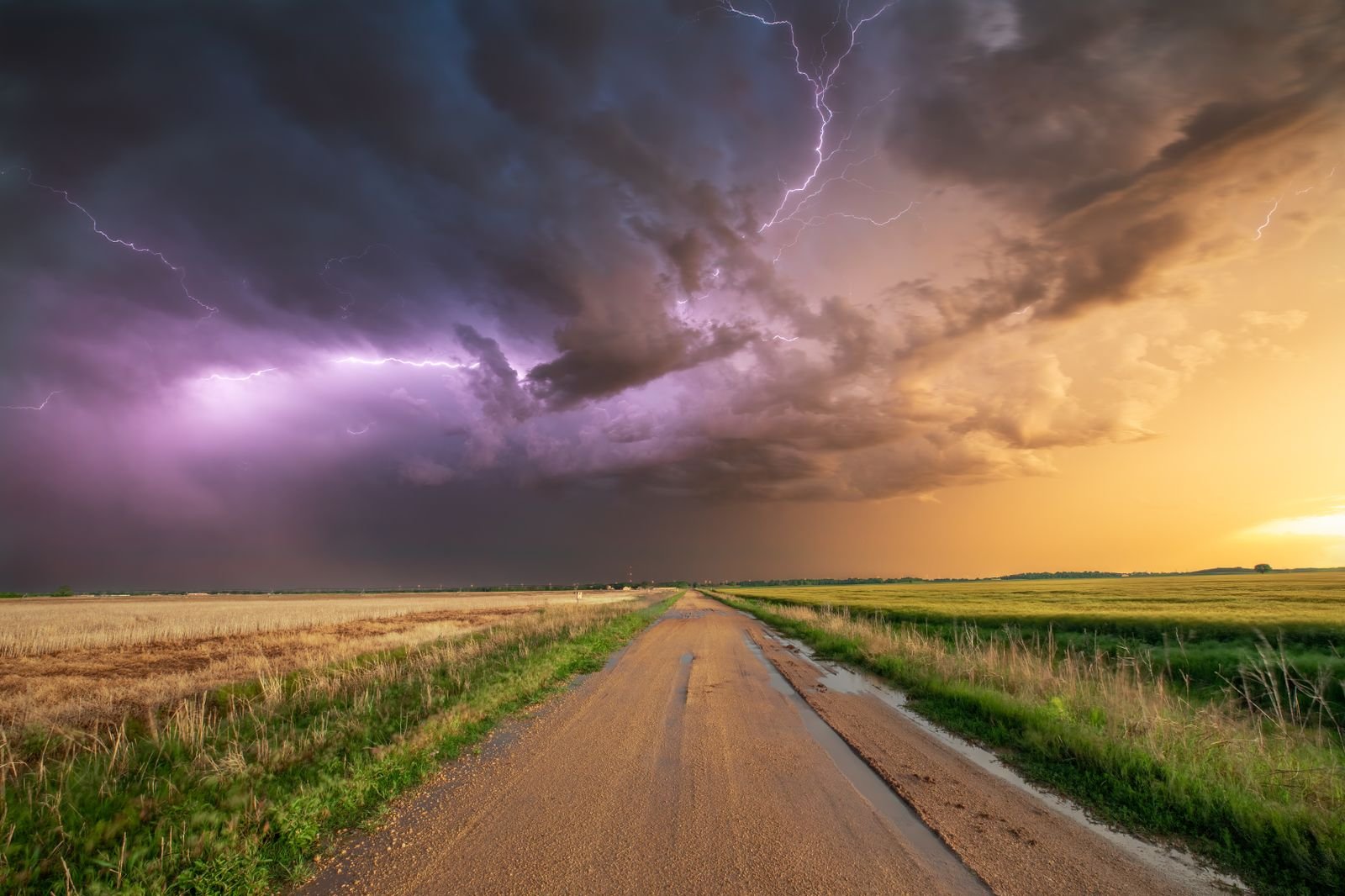
McClain County ranks 15th in Oklahoma for tornadoes from 1950 through 2025 — 85 events, per the National Weather Service in Norman’s county totals table. That puts Newcastle, Blanchard, Purcell, and the south edge of the OKC metro in a statistical neighborhood worth naming without turning the table into a threat brochure.
The honest finding up front: a county ranking is not a claim check. It is a long-view weather fact. Around here we use it to explain why wind/hail deductibles and roof language keep showing up in south-metro conversations — not to pretend every street in Blanchard shares one destiny.
What 85 tornadoes does and does not say
NWS Norman’s table is a count of recorded tornadoes over decades, not a forecast for next May. It does not say McClain County is “due.” It does not say Moore is safe because the county line sits a few miles north. County lines are bookkeeping for the table; storm tracks are not.
We have already published Cleveland County’s denser disaster cluster story and Oklahoma County’s longer tornado record. Putting McClain beside them matters because so many households straddle the south metro — work near I-35, live in Newcastle, shop in Norman, drive kids across county lines daily. The weather neighborhood is shared. The forms still differ by carrier and by dwelling.
The unflattering part for sales conversations
High-count counties create a temptation to sell fear. McClain’s 15th-place rank is already loud enough without theatrics. What underweights the conversation is ignoring the quieter pages: percentage wind/hail deductibles, older-roof actual cash value treatment, and outbuilding limits. Those lines decide more claim outcomes than a ranking slide.
If a presentation leads with body counts and buries the deductible type, it has failed the credibility test — even when every tornado number is accurate.
Newcastle, Blanchard, Purcell — named without folklore
Named places keep the piece honest. Newcastle’s growth corridors, Blanchard’s acreage edges, Purcell’s older plats, and the corridors toward Goldsby do not share identical construction eras or identical underwriting files. A 1995 roof in one neighborhood and a 2023 architectural shingle roof two miles away are different risks inside the same county total.
OpenFEMA’s declaration history for McClain County, like neighboring counties, mixes tornado and severe-storm titles with other incident types over the years. The takeaway is the same one we keep repeating statewide: Oklahoma risk is plural. Tornado alley is the brand. Hail, wind, ice, and fire still show up in the federal file.
How this sits next to Cleveland and Oklahoma counties
Oklahoma County’s 138 tornadoes top the state table. Cleveland County’s 111 sit fifth. McClain’s 85 sit just outside the top ten. For a household that moved from south OKC to Newcastle last year, all three numbers are part of the same metro weather story. The underwriting file still cares which roof is on which house.
That is why we publish county pieces instead of one vague “Oklahoma is stormy” essay. Specificity is the product. Folklore is the competitor.
What to read on your own declarations page
When people in McClain County sit down with a homeowners form after a watch-heavy week, the slow-read sections are usually the wind/hail deductible (flat versus percentage), roof settlement language, and how detached structures are treated. Policies vary. Your policy is the thing that answers the address-level question.
Call (405) 861-8500 if you want a set of eyes on a south-metro declarations page — or explore home insurance for how we walk the file.
This article is general information about how coverage typically works, not advice about your specific situation. Policy language — not website descriptions — determines coverage, and your policy is the only thing that says what you have.