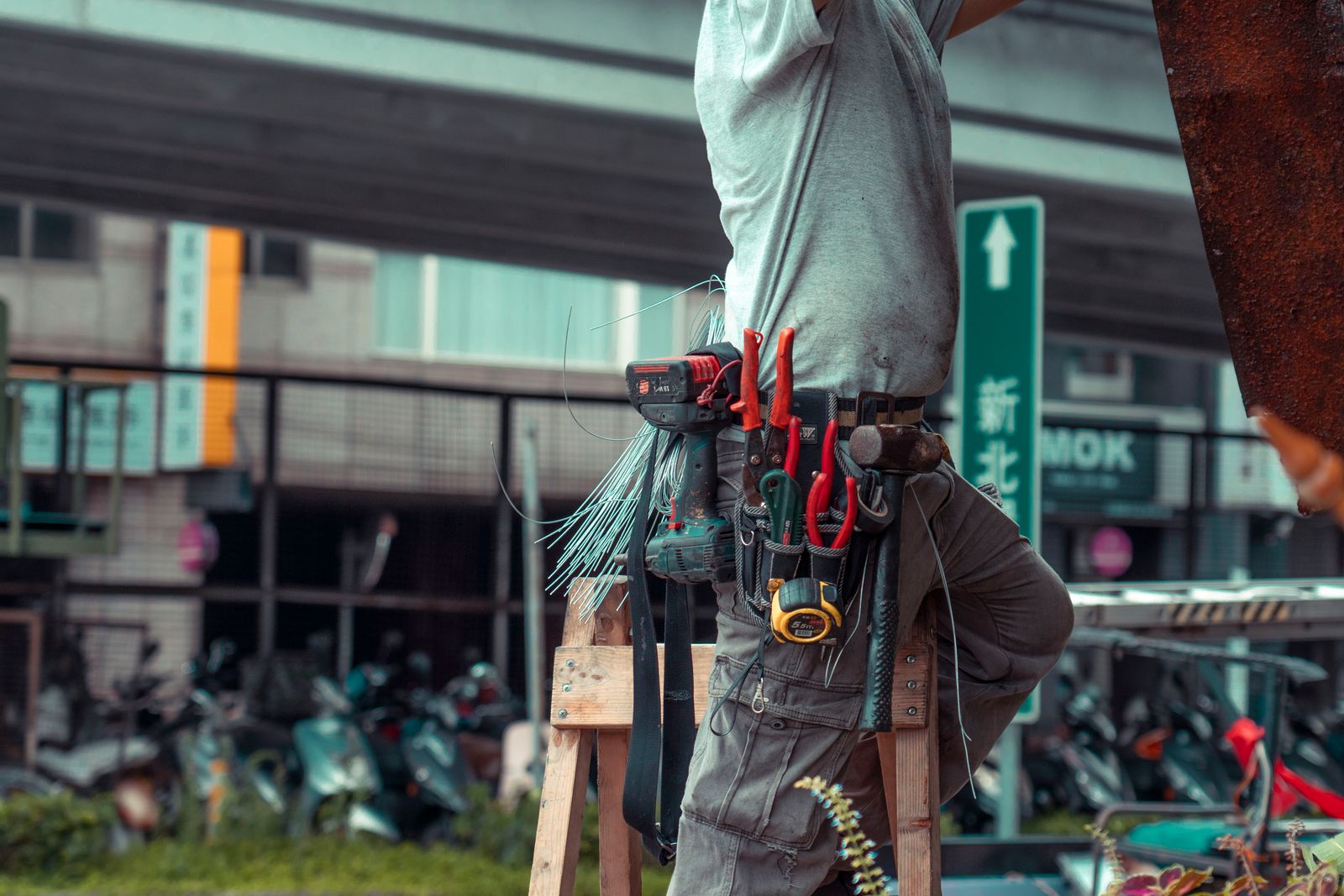
A Business That Covers a Lot of Ground
Handyman work covers a lot of ground: fixing a fence in Yukon, hanging drywall in Norman, patching up a deck in Edmond, or handling a dozen small odd jobs in a single week. Because the work is so varied, it’s easy to lose track of what insurance actually applies to your business. Here’s a straightforward look at what to consider.
General Liability Insurance
This is the core policy for a handyman business. If you’re in someone’s home working on a project and you accidentally put a hole in a wall, damage flooring, or a client trips over your equipment and gets hurt, general liability covers the resulting property damage or injury claim. Given how much of handyman work happens inside other people’s homes, this coverage protects both your business and your relationship with the client when something goes sideways.
Tools and Equipment Coverage
Between drills, saws, ladders, and the assortment of gear that lives in the back of your truck, handyman businesses carry a surprising amount of value on wheels. If your tools are stolen from your vehicle or a job site, or damaged in an accident, a tools and equipment policy (sometimes called inland marine coverage) helps you replace them without a big out-of-pocket hit that could stall your next job.
Commercial Auto Insurance
If your truck has your business name on it, hauls materials and tools daily, or you use it primarily to get to and from job sites, it likely needs a commercial auto policy rather than a personal one. Personal auto insurance is written around personal use, and insurers can deny claims connected to business driving. That’s an expensive gap to discover after a wreck.
Workers’ Compensation
If you work solo, this may not apply yet. But the moment you bring on help, even a part-time helper or a second set of hands during busy season, Oklahoma’s Title 85A generally requires workers’ compensation coverage for any employer with at least one employee. Simply calling someone a 1099 contractor doesn’t automatically exempt you — Oklahoma looks at the actual working relationship, not just the label. It’s worth having this conversation before you hire your first helper rather than after.
Where Handyman Work Crosses Into Licensed Trades
Here’s where things get tricky for a lot of handyman businesses. General handyman work, think small repairs, painting, minor carpentry, doesn’t require a state trade license in Oklahoma. But specific trades like plumbing, electrical, and mechanical/HVAC work do require a license through the Oklahoma Construction Industries Board. If your handyman work regularly drifts into rewiring outlets, running new plumbing lines, or working on HVAC systems, you may need to either get licensed yourself or partner with a licensed sub for that portion of the job. Trade licensing also comes with its own bonding and insurance requirements, so it’s worth knowing where that line sits for your specific services.
Professional Liability
Some handyman businesses also carry professional liability, sometimes called errors and omissions coverage, which can help if a client claims your work itself was faulty or incomplete in a way that caused them financial loss, separate from an actual accident or injury.
Coverage for Every Job on the List
Handyman businesses come in all shapes and sizes, from a one-person operation to a small crew handling jobs across the Edmond and OKC metro area. Rondon Insurance Services is an independent agency, and since we work with multiple carriers, we can compare coverage options to find the right fit for how your business actually operates. Reach out and let’s build a policy that matches your work.