Running a contracting business in Edmond or the OKC metro means juggling job sites, subcontractors, permits, and client expectations, often all in the same week. Insurance tends to get pushed to the back burner until a client, lender, or the state asks for proof of it. Here’s a rundown of what contractors typically need and why.
General Liability Insurance
This is the coverage almost every contractor needs from day one. General liability protects you if your work causes property damage or someone gets hurt because of your job site. Think a nail through a water line, a ladder accident involving a passerby, or damage to a client’s existing structure while you’re working on an addition. Most property owners, general contractors hiring subs, and commercial property managers will require proof of general liability before you can even bid a job.
Tools and Equipment Coverage
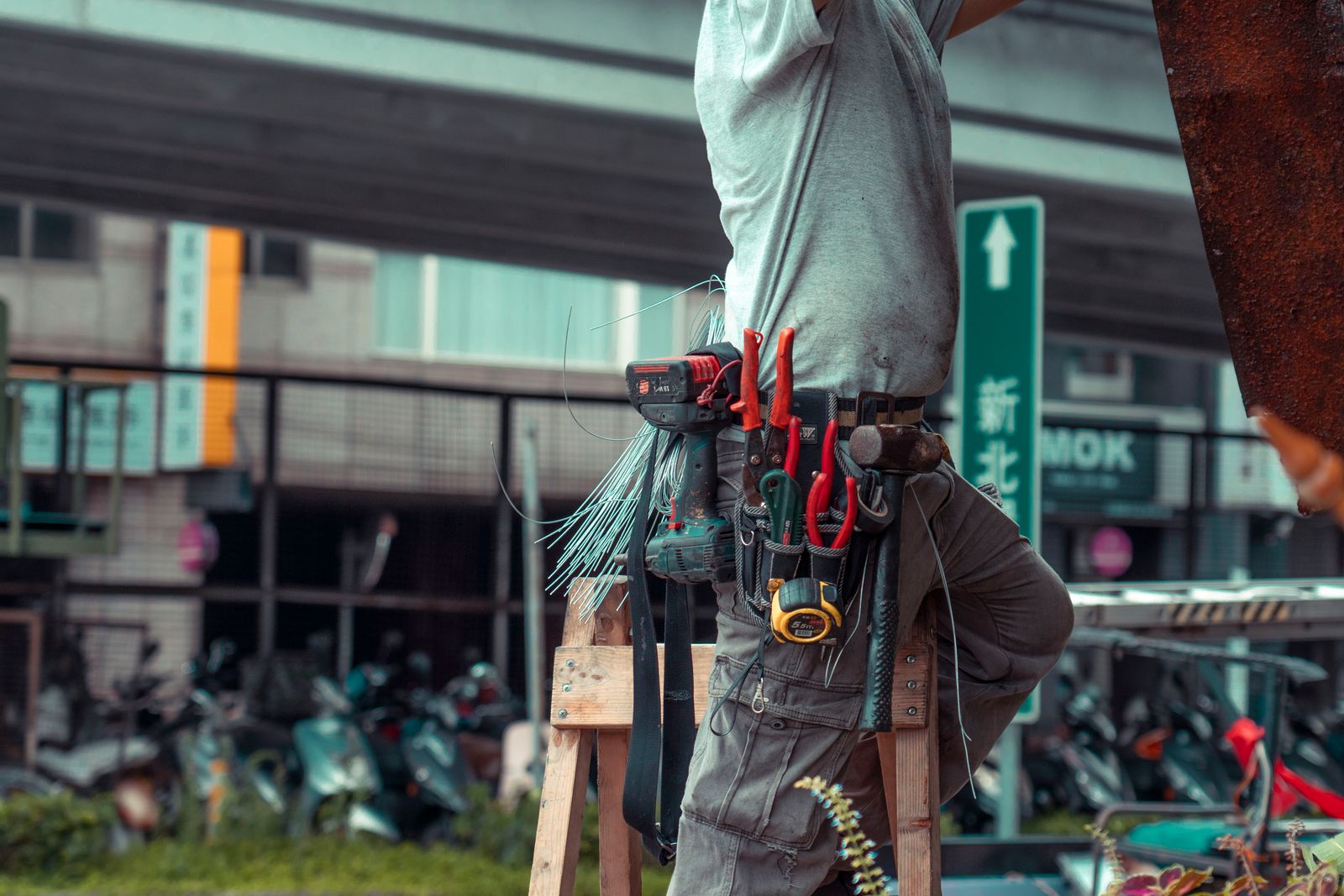
Contractors carry a lot of value around in trucks, trailers, and job boxes: saws, compressors, generators, nail guns, and specialty tools that add up fast. A standard property policy at your home or shop often won’t cover tools that travel with you to job sites. Contractors’ equipment coverage (sometimes called inland marine) is built specifically for gear that moves, so a theft from a job site or a trailer break-in doesn’t come entirely out of pocket.
Commercial Auto Insurance
If you’ve got a truck with your business name on the door, or you’re hauling materials and trailers between sites, you need a commercial auto policy rather than a personal one. Personal auto policies are written for personal use and can deny claims tied to business driving, which is a rough surprise to discover after an accident.
Workers’ Compensation
Under Oklahoma’s Title 85A, if you have at least one employee, full-time, part-time, or temporary, you’re generally required to carry workers’ compensation. This trips up a lot of contractors who think paying someone as a 1099 contractor gets them out of it. Oklahoma applies a multi-factor test to figure out if someone is really an independent contractor or actually functioning as an employee, so simply labeling the paperwork a certain way doesn’t settle the question. Skipping required coverage is expensive: the Workers’ Compensation Commission can fine an employer up to $1,000 per day of violation, and failing to secure coverage can also carry misdemeanor exposure. There’s a narrow exemption for certain family businesses with five or fewer employees who are all closely related to the owner, but beyond that, it’s worth getting this reviewed rather than guessing.
Licensing and Bonding Through the CIB
Oklahoma doesn’t require a general state license to work as a general contractor, but specific trades, plumbing, electrical, and mechanical/HVAC, do require state trade licenses through the Oklahoma Construction Industries Board. Getting a contractor-level trade license means posting a $5,000 surety bond payable to the CIB and showing proof of at least $50,000 in commercial general liability insurance. On top of that, cities like Edmond, OKC, Norman, and others often layer on their own local contractor registration or permitting rules, so it’s worth checking with your specific municipality too.
Umbrella Coverage
Once your business has some size to it, or you’re working on larger commercial jobs, an umbrella policy can add an extra layer of liability protection above your general liability and auto limits. It’s relatively affordable coverage for the added peace of mind, especially on bigger contracts where a client requires higher limits than your base policies provide.
Build the Coverage Before the Bid
Every contracting business looks a little different depending on your trade, crew size, and the jobs you take on. Rondon Insurance Services is an independent agency in Edmond, and because we work with multiple carriers, we can shop around to build coverage that actually fits your business instead of forcing you into a one-size-fits-all policy. Give us a call and let’s talk through what your contracting business needs.