Driving for DoorDash, Uber Eats, or a similar delivery app around Edmond and the OKC metro is a great way to bring in extra income, but it comes with an insurance wrinkle a lot of drivers don’t find out about until something goes wrong. Here’s what you need to understand before your next delivery run.
The Gap Between Personal Auto and Delivery Driving
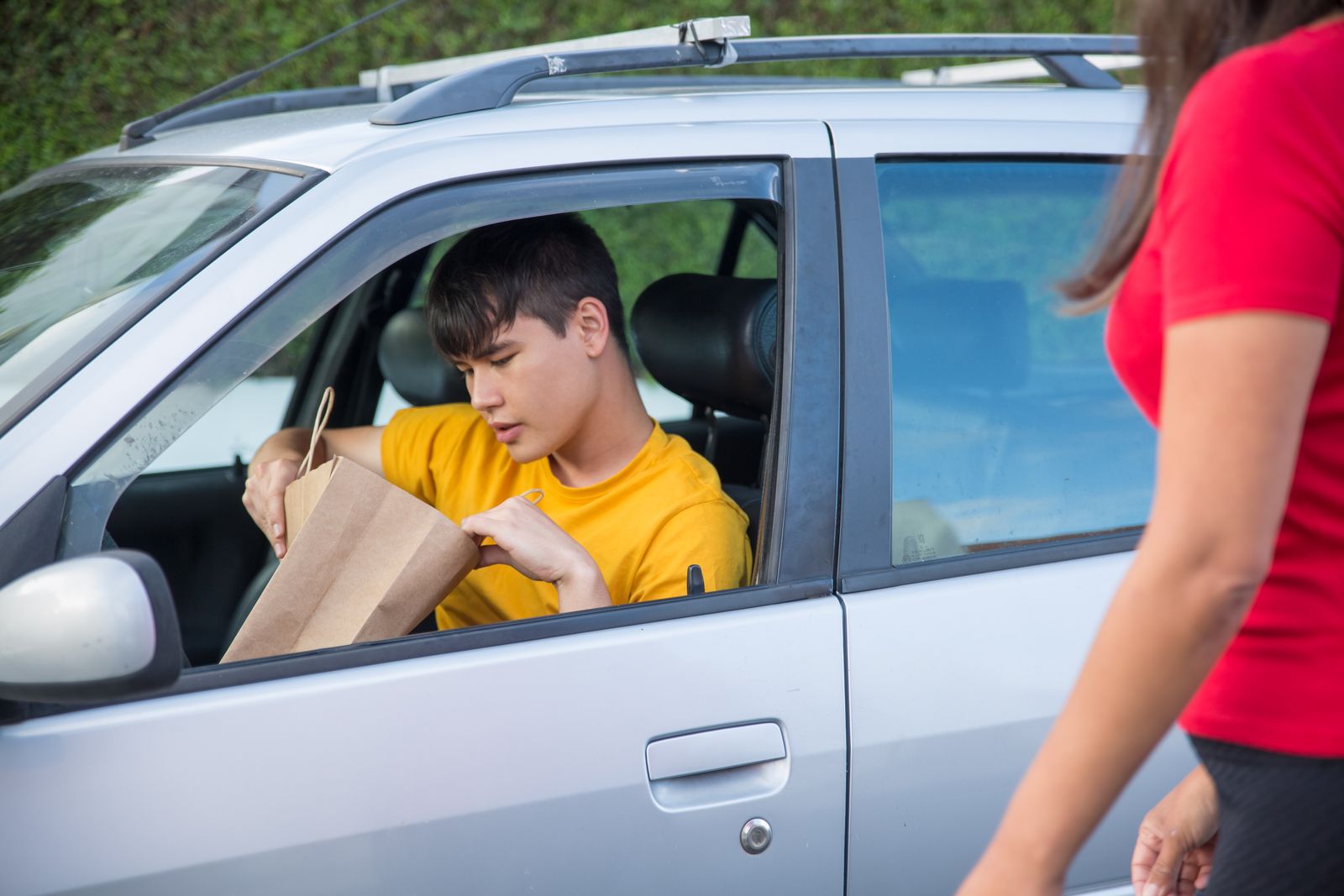
Most personal auto insurance policies are written specifically for personal use: commuting, errands, road trips. The moment you start using your car to earn money delivering food, you’ve stepped into what insurers consider commercial or business use, and standard personal auto policies typically exclude coverage for accidents that happen while you’re actively working a delivery. That means if you’re in a wreck while delivering and your insurer discovers you were on an active delivery, they can deny the claim entirely, leaving you responsible for the damage and any injuries out of your own pocket.
What DoorDash’s Insurance Actually Covers (and When)
Delivery apps do provide some insurance, but it’s typically structured around specific periods of your shift, and the coverage isn’t the same throughout.
App off: When you’re not logged into the app, you’re just a regular driver, and only your personal auto policy applies.
App on, waiting for a delivery request: During this period, coverage from the app tends to be more limited, often contingent liability that only kicks in if your personal policy doesn’t respond, and usually with lower limits than you’d want.
En route to pick up or delivering an order: Once you’ve accepted a delivery and are actively driving to the restaurant or to the customer, the app’s insurance coverage is typically at its strongest during this window.
The exact details vary by platform and change over time, so it’s worth reviewing the current policy for whatever app or apps you drive for. The bigger point is that coverage isn’t uniform across your whole shift, and there can be real gaps, especially during the period when you’re logged in but waiting for a request.
Rideshare and Delivery Endorsements
The most reliable way to close these gaps is adding a rideshare or delivery endorsement to your personal auto policy, if your insurer offers one. This keeps your existing personal coverage in place while extending it to cover the periods when you’re logged into a delivery app, including that “waiting for a request” window where app-provided coverage tends to be thinnest. Not every insurer offers this endorsement, and not every personal policy is eligible, so it’s worth a direct conversation about your specific situation.
Commercial Auto for Frequent or Full-Time Drivers
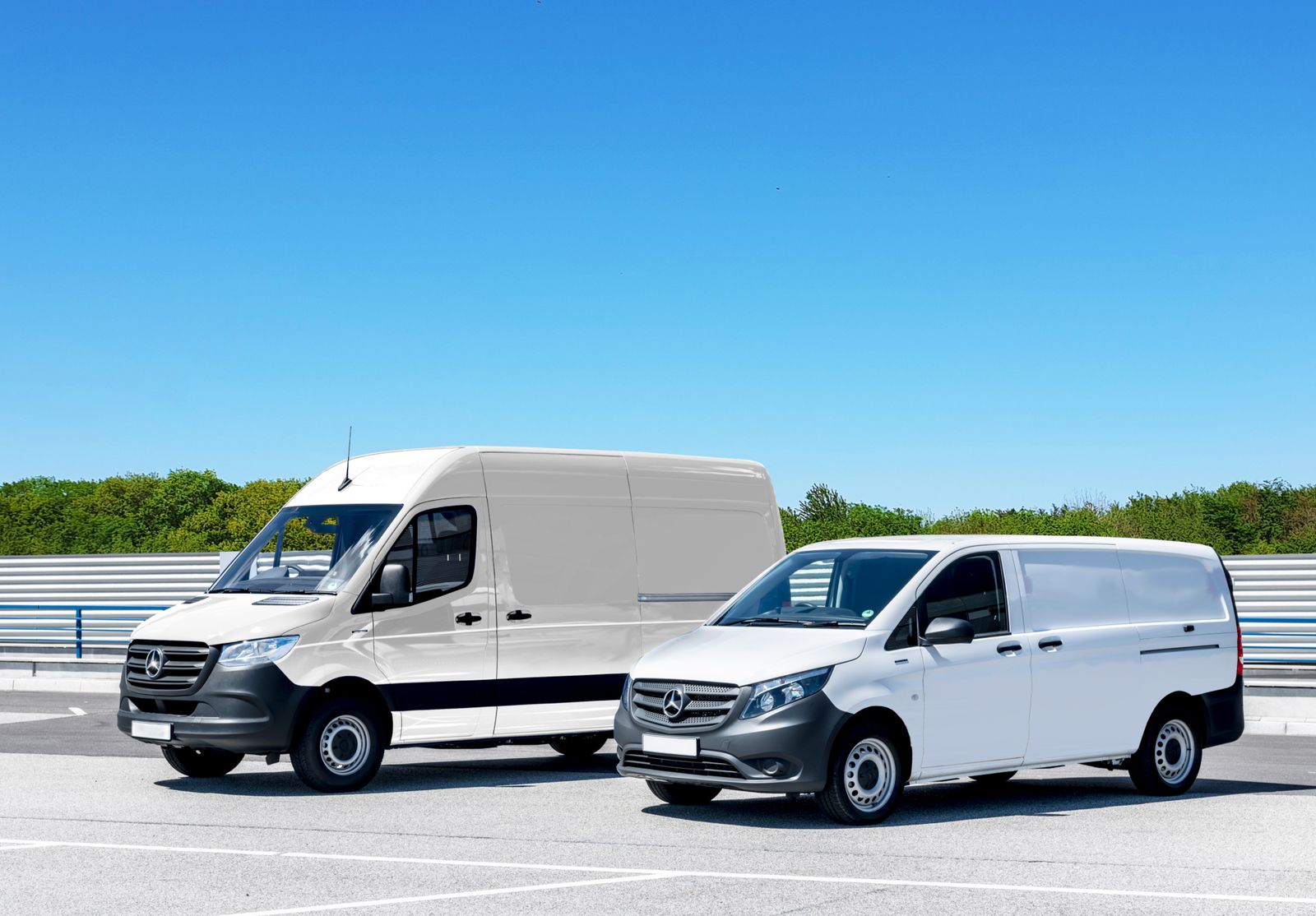
If delivery driving is a significant part of your income rather than occasional side work, a full commercial auto policy may make more sense than an endorsement. This is especially true if you’re delivering large volumes, using a vehicle primarily for gig work, or driving for multiple platforms regularly.
Why This Matters More When You Drive for a Living
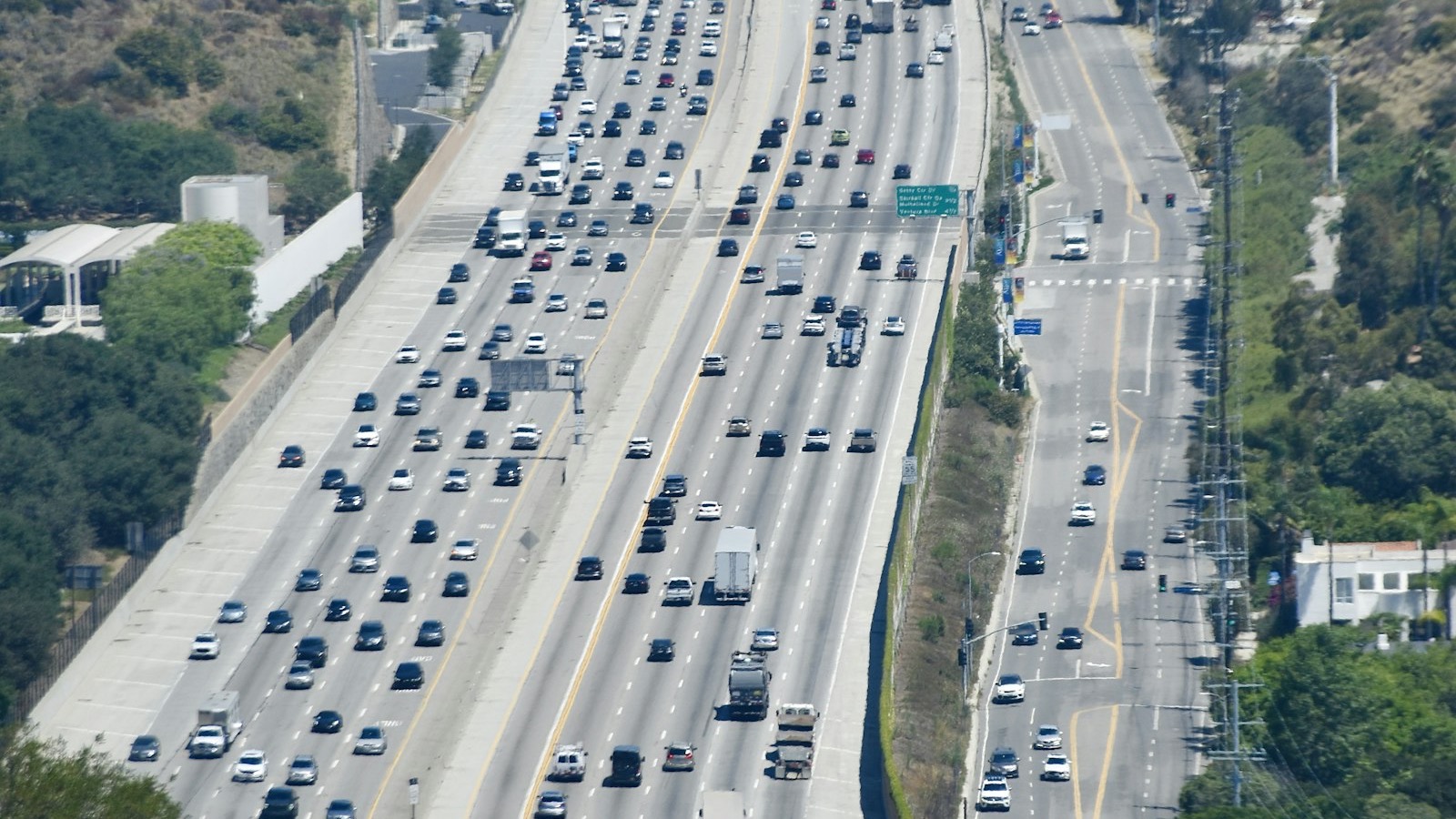
The more hours you spend on the road, the more the odds catch up with you. An estimated 12% of Oklahoma drivers carry no insurance at all — roughly one in eight of the cars around you on any delivery run (nationally, the figure is 15.4%). Combine that exposure with a coverage gap in your own delivery driving, and you can end up in a tough spot from two directions at once.
Close the Gap Before Your Next Run
If you’re delivering around Edmond, OKC, or anywhere in the metro, it’s worth a quick conversation to make sure you’re not driving with a coverage gap you don’t know about. Rondon Insurance Services is an independent agency working with multiple carriers, so we can help you find a policy or endorsement that actually covers how you drive. Reach out and let’s get it sorted out before you need it.