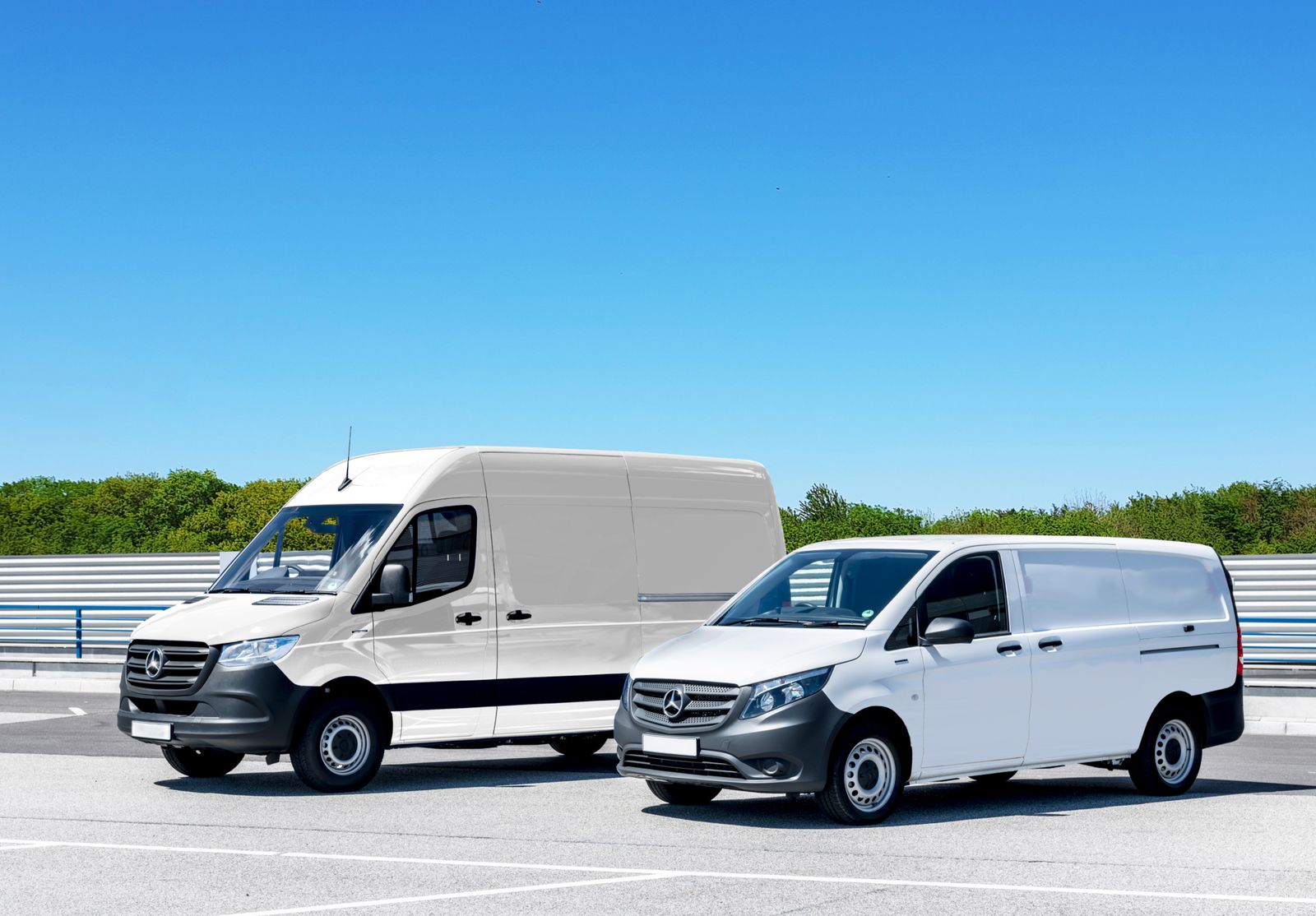
An auto repair shop has one exposure that almost no other small business has: at any given moment, a large amount of property sitting on the lot belongs to other people, and those people expect to get it back in better shape than they left it. A general liability policy is not built to answer that. Neither is the commercial property policy on the building.
The coverage that does is usually called garagekeepers, and understanding it is most of understanding shop insurance.
The customer-vehicle problem
Think about a Tuesday afternoon at a shop off Broadway Extension. Two cars on lifts, four in the bay queue, six in the fenced lot waiting on parts. Hail comes through, or somebody cuts a fence and takes a truck, or a tech backs a customer’s SUV into a rollaway. Every one of those vehicles is in the shop’s care, custody and control — a phrase that appears in liability forms as an exclusion, not a grant of coverage.
Garagekeepers coverage is the form written for that gap. It is generally offered on three bases, and the difference is not cosmetic:
Legal liability responds when the shop is legally responsible for the damage. If a hailstorm damages a customer’s car and the shop did nothing wrong, this basis typically does not respond.
Direct primary responds to covered damage to a customer’s vehicle regardless of fault, and goes first, ahead of the customer’s own policy.
Direct excess responds regardless of fault but sits behind the customer’s own coverage.
Which one a shop carries is a real business decision — and it is also a customer-relationship decision, because “our insurance doesn’t handle that, call your own carrier” is a conversation nobody enjoys having about hail on a car that was in for a water pump.
The pieces around it
Garage liability / general liability. Bodily injury and property damage arising out of the operations — the slip in the waiting area, the customer who walks into the bay. Repair shops are frequently written on a garage form that combines premises, operations and auto liability rather than a generic BOP.
Completed operations. This is the one owners underestimate. A brake job or a wheel that comes off down the road is a claim arising from finished work, and coverage for it is typically a distinct part of the liability form rather than an automatic extension of the shop’s premises coverage.
Tools and equipment. Lifts, alignment racks, tire machines, compressors, scan tools, and the technicians’ own boxes. Some of this is building equipment, some is contents, and a tech’s personal tools are often a separate conversation entirely. Adding up a full shop’s tooling on paper is usually the moment an owner realizes the number is not small.
Workers’ compensation. Oklahoma generally requires coverage once a business has employees, with narrow statutory exemptions — Title 85A lays out who falls outside it. In a trade involving lifts, torque, solvents and hot exhaust, this is not a paperwork line item.
Commercial auto. The shuttle vehicle, the parts runner, the wrecker if there is one, and the plates used to move cars for test drives.
Pollution and used oil. Waste oil, antifreeze, solvent tanks and parts washers create an environmental exposure that standard liability forms commonly limit or exclude. Coverage for it is usually handled by endorsement or a separate policy.
Business income. A fire that closes a two-bay shop for four months stops the revenue but not the lease, the loan, or the good technician who will take another job by week three.
The honest part
Plenty of shops around the metro run for years on a general liability policy and a building policy and never have a bad day. The exposure that changes the math is almost always the lot — a hail event or an overnight theft that touches eight customer vehicles at once, none of which the shop owns. That is a single loss with eight angry phone calls attached, and how it gets settled depends entirely on which garagekeepers basis is on the policy.
Whether a specific loss lands inside or outside a specific form is a question for the form itself, not for a website. But knowing that garagekeepers exists, and that it comes in three flavors, puts an owner in a much better position to ask.
If you run a shop in Edmond, Guthrie or anywhere in the metro and aren’t certain which basis you’re carrying, our business insurance page is a starting point — or call (405) 861-8500 and we’ll read the declarations page with you.
This article is general information about how coverage typically works, not advice about your specific situation. Policy language — not website descriptions — determines coverage, and your policy is the only thing that says what you have.