A mobile detailing business is a strange insurance animal: the most valuable thing on the job site every single day is property that belongs to someone else. The question that matters most is not “what if someone trips over my hose” — it is “what happens when the buffer catches an edge on a customer’s truck.” And that second question is exactly the one a standard general liability policy is typically not built to answer.
Around the OKC metro, detailing has become a genuinely mobile trade — driveways in Deer Creek, office parks along the Broadway Extension, dealership overflow lots, boat slips at Lake Arcadia before a summer weekend. Every one of those settings changes the insurance picture a little. Here is the map.
The care, custody, or control problem
General liability handles injury and property damage to third parties — the trip over the hose, the overspray that drifts onto the car parked one space over. But GL forms typically exclude damage to property in the business’s care, custody, or control. In detailing, the property in your care, custody, or control is the customer’s vehicle. In other words, the exclusion sits directly on top of the most likely claim in the entire business: a burned edge from the polisher, a chemical stain on leather, a cracked trim piece.
The coverage built for that gap is typically written in the same family as garagekeepers coverage — the protection body shops and service departments carry for customer vehicles in their possession. For a mobile operation it may be structured differently from a shop’s policy, and insurers vary on how they offer it, but the underlying question is the same: who pays when the vehicle being worked on is the thing that gets damaged. Policies vary on this more than almost anything else in small commercial insurance, and it is the first thing worth confirming in writing.
The truck, the trailer, and the water tank
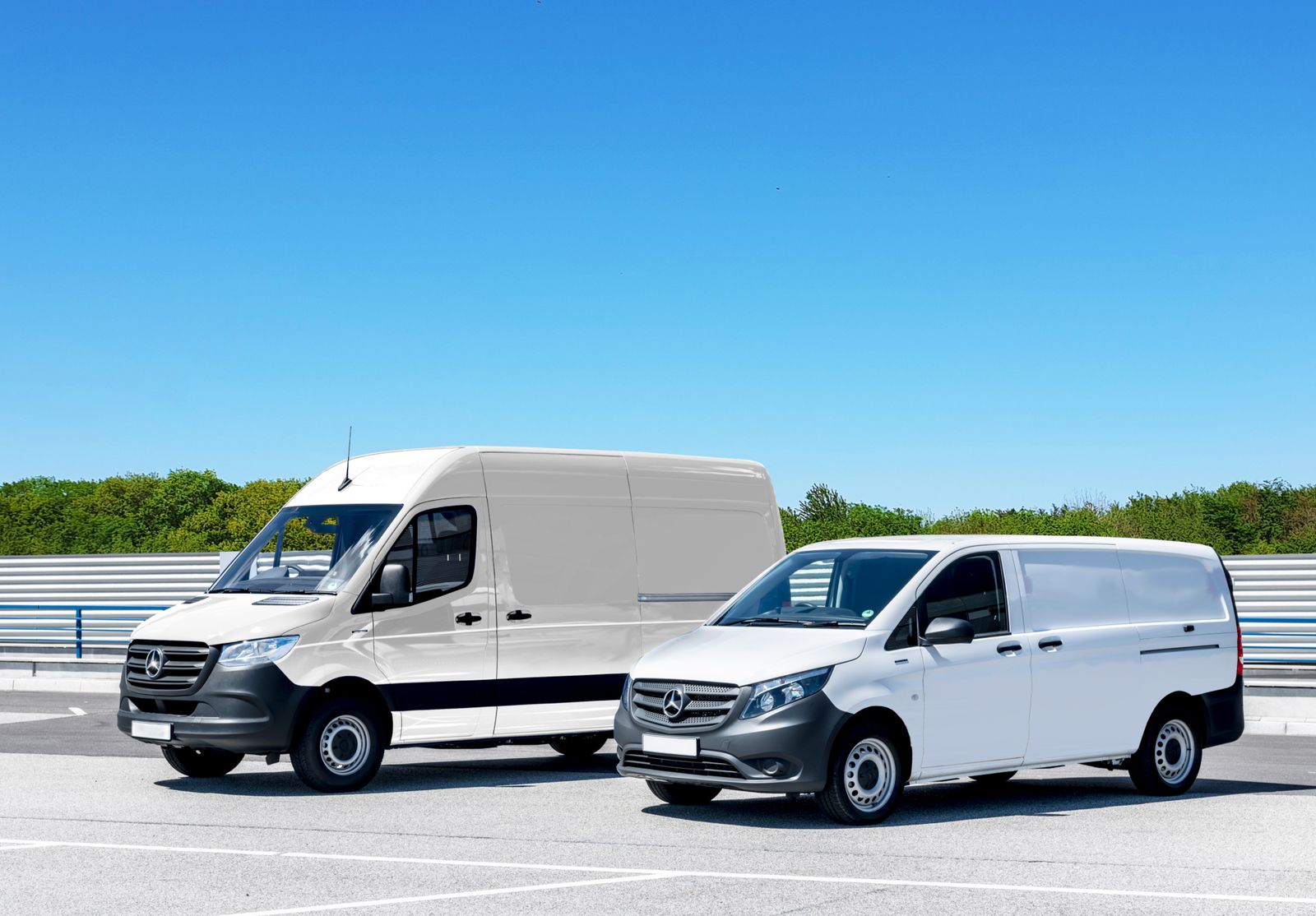
The rig itself raises the second classic problem. A pickup hauling a trailer with a water tank, generator, and pressure washer to paying jobs every day is being used commercially, and personal auto policies typically contain business-use limitations. Whether a specific policy responds to a specific wreck on I-35 between appointments is a question the policy answers — not the agent who sold it, and not the owner’s assumption. Commercial auto exists precisely for this, and it also cleanly handles the trailer question, which personal policies treat unevenly.
The equipment on that trailer — extractors, polishers, generators, the tank itself — is usually insured on an inland marine or tools-and-equipment form, which follows the gear wherever it goes. A standard property policy tied to a home address does less good for equipment that lives on the road.
The paperwork that gets you in the gate
Dealerships, commercial property managers, and some HOAs ask for a certificate of insurance before allowing on-site work, and some specify minimum limits or ask to be named as additional insured. That is not bureaucratic decoration — it is often the difference between landing the fleet account and not. Detailers who carry real commercial coverage tend to mention it in their marketing for exactly this reason.
One honest note: plenty of solo detailers in Oklahoma run for years with nothing but a personal auto policy and good luck. Most of them never have the bad day. The arithmetic only turns when the bad day involves a $70,000 truck or an injury on a customer’s property, and by then the question of what was in force has exactly one source of truth. Your policy is the thing that answers this.
If detailing is the side hustle turning into the real thing, our business insurance page is a starting point, or call (405) 861-8500 — we work with mobile operators across Edmond, Mustang, and the metro, and the first conversation costs nothing.
This article is general information about how coverage typically works, not advice about your specific situation. Policy language — not website descriptions — determines coverage, and your policy is the only thing that says what you have.