RVs cover a lot of ground, literally and in terms of what they are. A pop-up camper, a fifth wheel, and a Class A motorhome are all technically “RVs,” but they need very different insurance approaches. If you’re shopping for RV coverage, it helps to understand what actually changes based on the type of unit you own and how you use it.
Drivable RVs vs. Towable RVs
This is the biggest fork in the road when it comes to RV insurance. A motorhome (Class A, B, or C) is a motor vehicle, it has an engine, and it needs to be insured the way you’d insure a car or truck, with liability, collision, and comprehensive coverage built around the fact that it’s being driven on the road.
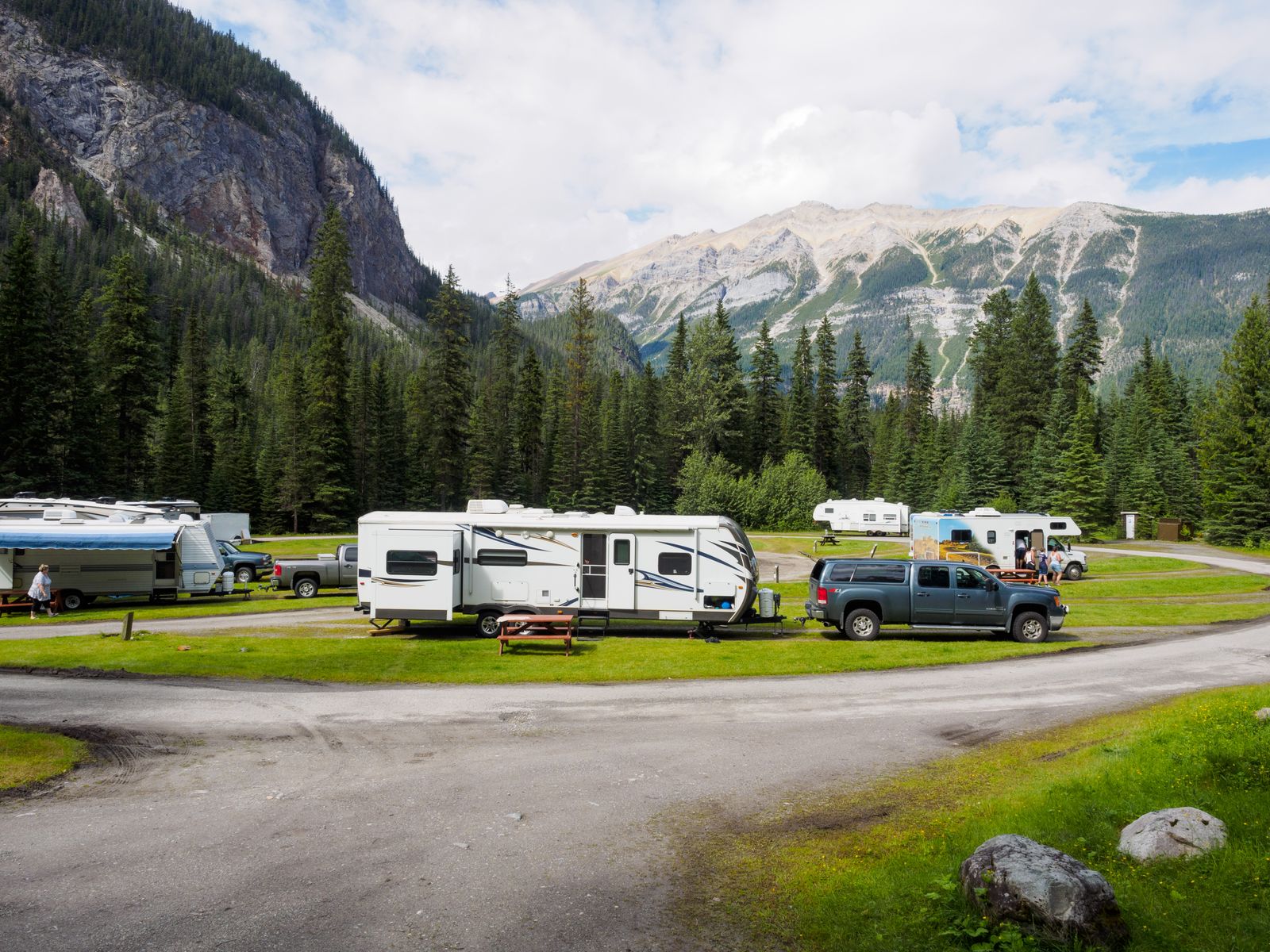
A towable unit, like a travel trailer or fifth wheel, doesn’t have its own engine, so it isn’t insured the same way. Liability while it’s being towed is usually handled by the insurance on the vehicle pulling it. What a towable RV needs is its own physical damage coverage, protecting the trailer itself from collision, weather, fire, or theft, along with coverage for anything permanently attached to it.
Mixing these two up, or assuming one type of policy automatically covers the other, is one of the more common gaps we see.
Full-Time RV Living Changes the Equation
If you live in your RV full-time rather than using it for occasional trips, that’s a different risk profile entirely, and it usually requires a specific full-timer policy. Full-timer coverage is built to function more like a homeowners policy, often including higher liability limits and coverage that reflects the fact that the RV is your permanent residence, not just a vacation vehicle. Standard RV policies typically aren’t built for that kind of everyday, full-time use, so if this describes your situation, it’s worth flagging when you get a quote.
Don’t Forget What’s Inside
Whether you’re out for a weekend at a state park or gone for a month, an RV tends to be full of stuff: cookware, electronics, clothes, camp chairs, maybe a generator. Personal effects coverage helps replace those belongings if they’re damaged or stolen, which matters more than people expect. Think of it this way: if your travel trailer were broken into at a campground and cleaned out, would you want to be replacing all of that out of pocket? Personal effects coverage is what closes that gap.
Roadside Assistance and Vacation Liability
A flat tire or dead battery two hours from home is a lot more stressful in a 30-foot motorhome than it is in a sedan. RV-specific roadside assistance accounts for the size and towing needs of these vehicles, which is different from what a typical auto policy offers.
Vacation liability is another RV-specific piece worth knowing about. It provides liability protection while your RV is parked and being used as a temporary living space, say, at a campground with the awning out and guests over, situations a standard auto policy typically isn’t designed to address.
Match the Policy to the Rig
RVs vary so much in type and use that a one-size-fits-all policy rarely fits well. At Rondon Insurance Services in Edmond, we shop your RV coverage across multiple carriers to match a policy to how you actually use your rig, whether that’s weekend trips or full-time living. Give us a call and we’ll help you sort out what you actually need.