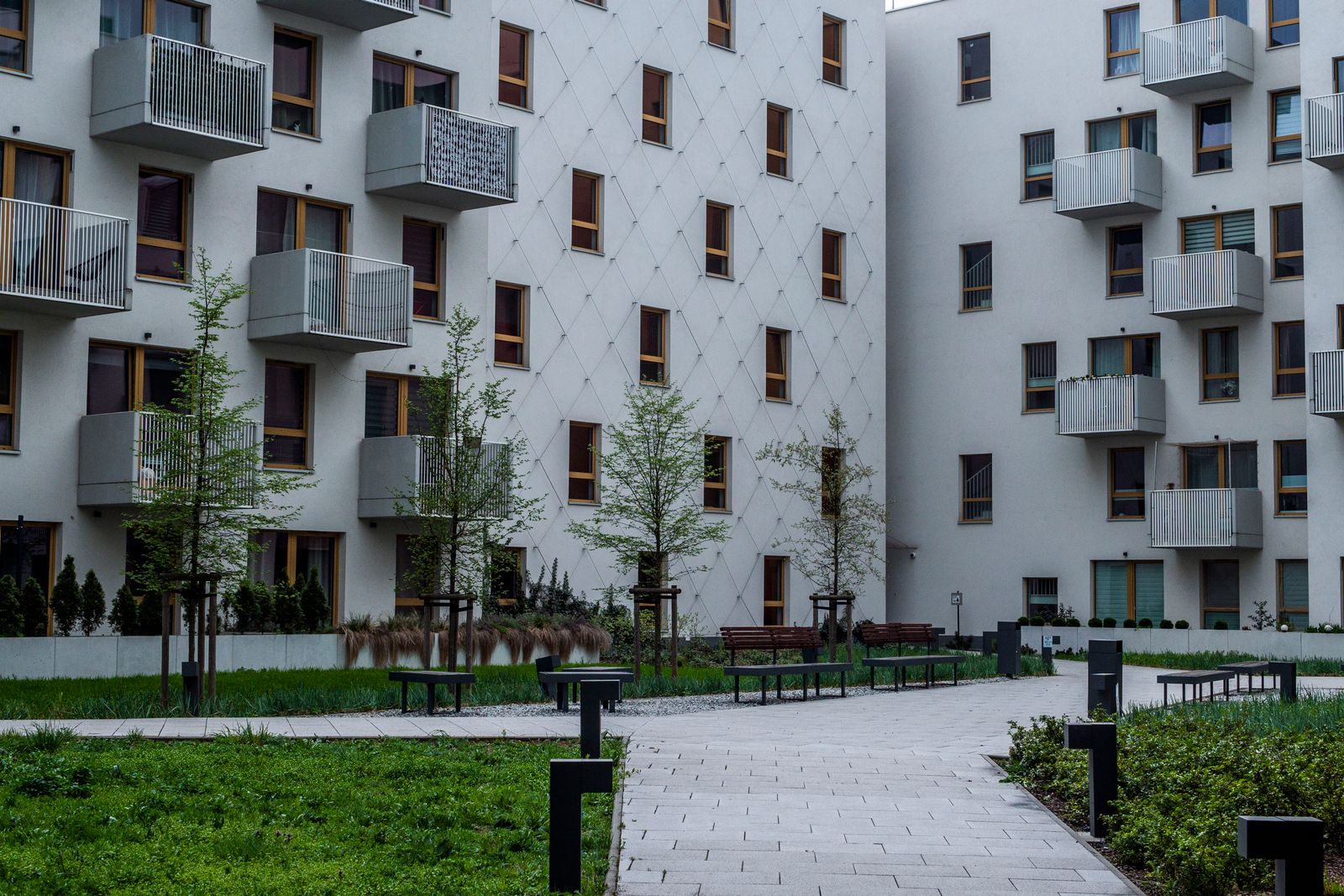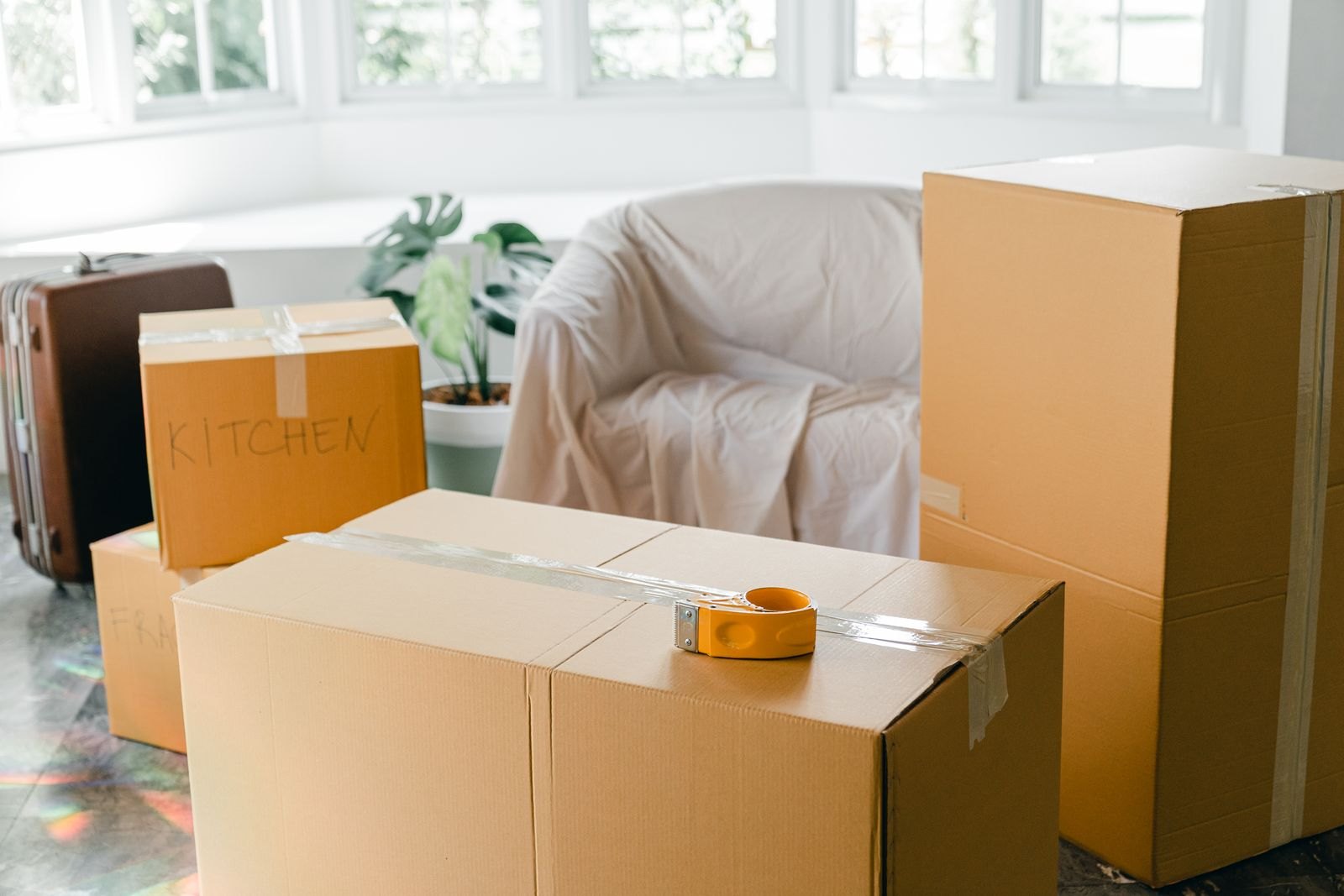
The landlord’s policy is written on the building. It is generally not written on the furniture inside your unit, and it does not respond to a claim someone brings against you personally. That gap is what a renters policy exists to fill, and it is usually organized around three separate things: your belongings, your personal liability, and somewhere to stay if the unit becomes unlivable. August is when this question shows up most around here, because August is when leases turn over.
Three Parts, Not One
Most renters think of it as insurance for their stuff. That’s one of the three, and often not the one that matters most.
Personal property is the belongings part — furniture, clothes, electronics, the things that would have to be replaced from scratch. This is generally written on a dollar limit you choose rather than an appraisal of what’s actually in the unit.
Personal liability is the part almost nobody shops for and the part that carries the largest numbers. It’s the coverage that responds when someone is hurt in your unit, or when something you did causes damage somewhere else in the building. A kitchen fire in a four-plex doesn’t stop politely at your walls.
Additional living expense is the hotel-and-meals part. If the unit can’t be lived in after a covered loss, this is the piece that typically addresses the cost of being somewhere else while it’s repaired.
The Number Most People Guess Low
Ask someone what their belongings are worth and the answer is usually a shrug and a low number. Then they open a closet and start counting.
Two details do most of the work here. The first is whether the personal property is settled at replacement cost or actual cash value — the difference being whether a seven-year-old couch is valued at what a new one costs or at what a seven-year-old couch is worth. Policies vary on this more than people expect, and it is written into the contract, not assumed.
The second is sub-limits. Jewelry, firearms, cash, and business property inside a residence are commonly capped well below the overall property limit, with a separate endorsement available to schedule specific items. An engagement ring and a rifle case are the two we field the most calls about.
Where Renters Policies Typically Stop
Flood is separate. In Oklahoma it is always a separate purchase, through the NFIP or a private market — never bundled inside a renters policy, no matter how the online quote is laid out.
The building is the landlord’s side of the paperwork. Wind and hail on the roof of an Edmond apartment complex is the owner’s claim, not the tenant’s. What tends to land on the tenant is the displacement and the ruined belongings, which is exactly the part a renters policy is aimed at.
Roommates are usually not automatically included. Two names on a lease does not mean two names on a policy, and that surprises people every August.
And a vehicle in the lot is an auto question, not a renters question — though what’s inside the vehicle often is not.
The Honest Part
Renters coverage is inexpensive, and that’s the trap. Because the premium is small, the limits frequently get set to whatever the default was on the screen, and nobody looks at them again for four years. The cheap price is the reason to think about the numbers carefully, not the reason to skip it.
We can’t tell you what your limit ought to be from here. Nobody can without knowing what’s in the unit — that takes ten minutes with a phone camera and a walk through each room, and it’s the single most useful thing a renter can do before signing anything.
Whatever you end up carrying, the policy is the thing that answers what it does. Not the listing, not the leasing office, and not this page.
If you’re moving into a place in Edmond, Guthrie, or anywhere else in the metro this month, see how our renters coverage works or call (405) 861-8500 and we’ll walk the limits with you before you sign.
This article is general information about how coverage typically works, not advice about your specific situation. Policy language — not website descriptions — determines coverage, and your policy is the only thing that says what you have.